
As temperatures drop, preparing a home for winter becomes especially important for older adults. Cold weather can bring unique challenges, from higher heating bills to increased risk of slips, falls, and health issues. Many seniors live in older houses that may not be well-insulated or equipped to handle harsh winter conditions. Fortunately, there are a variety of resources and practical steps available to support safe and comfortable living during the colder months.
This guide explores essential strategies, programs, and resources that provide winterization help for elderly residents. Whether you’re a homeowner, caregiver, or family member, understanding these options can make a significant difference in safety, comfort, and peace of mind.

For those seeking additional support, there are dedicated programs and guides such as free home repairs for elderly that outline available assistance and eligibility requirements. Taking advantage of these resources can help seniors stay safe and comfortable all winter long.
Why Winterization Matters for Senior Homeowners
Older adults are more vulnerable to cold-related health risks, including hypothermia and respiratory problems. Homes that are not properly winterized can lead to higher utility bills, drafts, frozen pipes, and unsafe walking surfaces. For seniors on fixed incomes, these issues can be overwhelming. That’s why winterization help for elderly residents is not just about comfort—it’s about health, safety, and financial stability.
- Energy efficiency: Proper insulation and weatherproofing reduce heating costs and keep indoor temperatures stable.
- Safety: Addressing slippery walkways and ensuring adequate lighting prevents falls and injuries.
- Peace of mind: Knowing the home is prepared for winter allows seniors and their families to worry less about emergencies.
Essential Steps for Preparing a Senior’s Home for Winter
There are several practical measures that can make a home safer and more energy-efficient during the colder months. Here are some key actions to consider:
- Seal Drafts and Insulate: Check windows and doors for gaps. Use weatherstripping or caulk to seal leaks. Adding insulation to attics and basements can significantly improve warmth.
- Maintain Heating Systems: Schedule a professional inspection of furnaces or boilers. Replace filters and make sure carbon monoxide detectors are working.
- Prevent Frozen Pipes: Insulate exposed pipes, especially in unheated areas. Let faucets drip slightly during extreme cold to prevent freezing.
- Clear Walkways: Remove snow and ice promptly. Use sand or pet-safe ice melt to reduce slip hazards.
- Improve Lighting: Install bright, energy-efficient bulbs in entryways and paths. For outdoor safety, consider tips from guides like lighting for garden safety and lighting for rainy conditions.
Programs and Resources Offering Winterization Assistance
Many organizations provide winterization help for elderly homeowners, especially those with limited income. These programs may offer free or low-cost repairs, weatherproofing, and energy assistance.
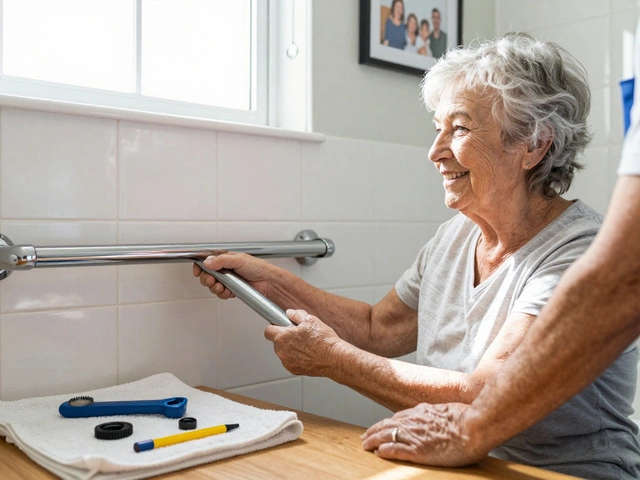
Some of the most widely used resources include:
- Weatherization Assistance Program (WAP): A federal initiative that helps low-income seniors improve home energy efficiency through insulation, weatherstripping, and minor repairs.
- Local Nonprofits and Community Groups: Organizations like Rebuilding Together and Area Agencies on Aging often provide volunteer-driven repairs and weatherization services.
- Utility Company Programs: Many energy providers offer rebates, free energy audits, or emergency heating assistance for qualifying seniors.
- State and Municipal Grants: Some states and cities have their own programs for senior homeowners needing winterization support.
For a comprehensive overview, see this list of home repair assistance sources for seniors which details eligibility and application steps.
How to Find and Apply for Winterization Support
Navigating the application process can feel overwhelming, but knowing where to start makes it easier. Here are some tips:
- Check Eligibility: Most programs require proof of age, homeownership, and income. Gather documents such as ID, utility bills, and income statements.
- Contact Local Agencies: Reach out to your local Area Agency on Aging, community action agency, or city housing office for information on available programs.
- Apply Early: Funding for winterization help for elderly residents is often limited and distributed on a first-come, first-served basis.
- Ask for Help: If paperwork or mobility is a challenge, family members, neighbors, or social workers can often assist with applications and follow-up.
For those who qualify, additional support may be available through low income senior home improvement programs that cover broader repair needs beyond winterization.
Home Safety and Emergency Preparedness for Seniors
Beyond insulation and repairs, winter safety for older adults includes emergency planning. Power outages, icy conditions, and sudden cold snaps can create urgent situations. Here’s how to prepare:
- Emergency Supplies: Keep flashlights, batteries, blankets, and non-perishable food on hand.
- Medical Needs: Ensure prescriptions are filled and medical devices have backup power if needed.
- Communication: Have a list of emergency contacts and consider a personal alert system for immediate assistance.
- Lighting for Hazards: Install adequate lighting in areas prone to water or ice, using advice from lighting for water hazards resources to prevent falls.

Frequently Asked Questions
What types of repairs are typically covered by winterization programs for seniors?
Most winterization programs focus on improving energy efficiency and safety. Common services include sealing drafts, adding insulation, repairing or replacing heating systems, and addressing hazards like icy walkways or poor lighting. Some programs may also help with minor roof repairs or installing storm windows.
How can seniors on fixed incomes afford home winterization?
Many local, state, and federal programs provide winterization help for elderly homeowners at little or no cost. Nonprofit organizations and utility companies may also offer grants, rebates, or volunteer services. It’s important to research available resources and apply early, as funding is often limited.
Are there specific safety devices recommended for elderly homeowners during winter?
Yes, several devices can enhance safety during colder months. These include carbon monoxide detectors, smoke alarms, motion-activated lighting, and personal emergency alert systems. Keeping walkways well-lit and clear of ice, as well as having backup power sources, can also reduce risks.
Taking proactive steps and utilizing available resources ensures that older adults can remain safe, warm, and independent throughout the winter season.