

Navigating outdoor ramps after sunset requires careful attention to safety and visibility. Whether you’re managing a public facility, a residential property, or a commercial entrance, lighting for outdoor ramps at night is a crucial aspect of accessibility and accident prevention. The right lighting not only helps people see where they’re going but also highlights potential hazards, supports those with mobility challenges, and creates a welcoming environment.
In this guide, we’ll explore the essentials of ramp illumination, from fixture choices to placement strategies. We’ll also discuss the benefits of different lighting technologies and provide practical tips for achieving clear, consistent visibility on sloped walkways. For those interested in related accessibility upgrades, you might also find value in learning about how to troubleshoot walk-in tub jet noise for a safer home environment.
Why Proper Illumination Matters on Ramps
Outdoor ramps are essential for accessibility, but they can become hazardous in low-light conditions. Inadequate lighting increases the risk of slips, trips, and falls, especially for seniors, people with disabilities, and anyone unfamiliar with the area. By installing effective lighting for outdoor ramps at night, property owners can:
- Enhance safety by making elevation changes, handrails, and edges clearly visible.
- Support accessibility for wheelchair users and those with limited vision.
- Discourage vandalism and trespassing by eliminating dark, hidden areas.
- Improve aesthetics and create a more inviting atmosphere.
Types of Lighting Fixtures for Outdoor Ramps
Choosing the right fixture is key to achieving both functionality and style. Here are some of the most popular options for illuminating ramps:
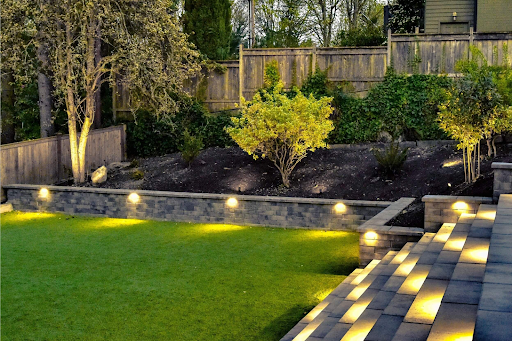
- Recessed Step Lights: Installed directly into the ramp or adjacent walls, these provide low-glare, even illumination along the path.
- LED Strip Lights: Flexible and energy-efficient, strip lights can be mounted under handrails or along ramp edges for continuous guidance.
- Post or Bollard Lights: These fixtures stand beside the ramp, casting light across the walkway and highlighting boundaries.
- Motion Sensor Lights: Automatically activate when movement is detected, conserving energy while ensuring safety when needed.
- Wall-Mounted Sconces: Ideal for ramps adjacent to buildings, providing broad coverage and architectural interest.
Best Practices for Lighting Placement and Design
To maximize the effectiveness of lighting for outdoor ramps at night, consider these design principles:
- Even Distribution: Avoid dark spots and harsh shadows by spacing fixtures evenly along the ramp’s length.
- Minimize Glare: Choose fixtures with diffusers or indirect light to prevent blinding users, especially those with low vision.
- Highlight Edges and Handrails: Place lights where they define the ramp’s boundaries and support safe navigation.
- Weather Resistance: Use fixtures rated for outdoor use (IP65 or higher) to withstand rain, snow, and temperature changes.
- Energy Efficiency: Opt for LED technology to reduce power consumption and maintenance costs.
Choosing the Right Color Temperature and Brightness
The color and intensity of your ramp lighting can affect both safety and comfort. Here’s what to keep in mind:
- Warm White (2700K–3000K): Creates a cozy, inviting glow but may reduce contrast for some users.
- Cool White (4000K–5000K): Offers higher visibility and better contrast, ideal for safety-focused applications.
- Lumen Output: For ramps, aim for 100–200 lumens per linear foot, adjusting based on ambient light and ramp width.
Accessibility and Compliance Considerations
When planning lighting for ramps, it’s important to follow local building codes and accessibility guidelines. The Americans with Disabilities Act (ADA) and similar standards in other countries specify requirements for illumination levels, fixture placement, and glare reduction. Key points include:
- Consistent Lighting: Avoid abrupt changes in brightness that can disorient users.
- Clear Pathways: Ensure that all parts of the ramp, including landings and transitions, are well-lit.
- Accessible Controls: If using manual switches, make sure they are reachable for all users.
For more tips on maintaining accessibility and safety in home upgrades, you may also be interested in the walk-in tub foot massage jet benefits article, which covers additional features for comfort and health.
Maintenance Tips for Long-Lasting Ramp Lighting
Keeping your ramp lighting in top condition ensures ongoing safety and reliability. Here are some maintenance best practices:
- Regular Inspections: Check for burned-out bulbs, damaged fixtures, and exposed wiring at least once per season.
- Clean Lenses and Covers: Dirt and debris can reduce light output and create uneven illumination.
- Test Sensors and Timers: Make sure motion detectors and automatic timers are functioning as intended.
- Replace with LEDs: Upgrade older bulbs to LEDs for longer life and lower maintenance needs.
Frequently Asked Questions
What is the ideal brightness for outdoor ramp lighting?
For most ramps, aim for 100–200 lumens per linear foot. This provides enough illumination for safe navigation without causing glare. Adjust the brightness based on the width of the ramp and surrounding ambient light.
Are motion sensor lights suitable for ramps?
Yes, motion sensor lights are an excellent choice for ramps. They ensure the path is illuminated only when needed, saving energy while maintaining safety. Just make sure the sensors are positioned to detect movement along the entire ramp.
How can I reduce glare on outdoor ramps?
To minimize glare, use fixtures with frosted lenses or indirect lighting designs. Position lights below eye level or shield them to direct light onto the walking surface rather than into users’ eyes.
What type of lighting is best for highlighting ramp edges?
LED strip lights or recessed step lights are ideal for marking ramp edges. They provide continuous, low-profile illumination that clearly defines boundaries without creating trip hazards.
Conclusion
Thoughtful lighting for outdoor ramps at night is essential for safety, accessibility, and peace of mind. By selecting the right fixtures, ensuring even coverage, and following best practices for installation and maintenance, you can create a well-lit environment that welcomes everyone. Combine energy-efficient LEDs, smart controls, and weather-resistant designs for a solution that stands the test of time.
For more insights on home safety and accessibility upgrades, explore other resources on this site, including tips for how to check walk-in tub electrical grounding to keep your living spaces secure and comfortable.