
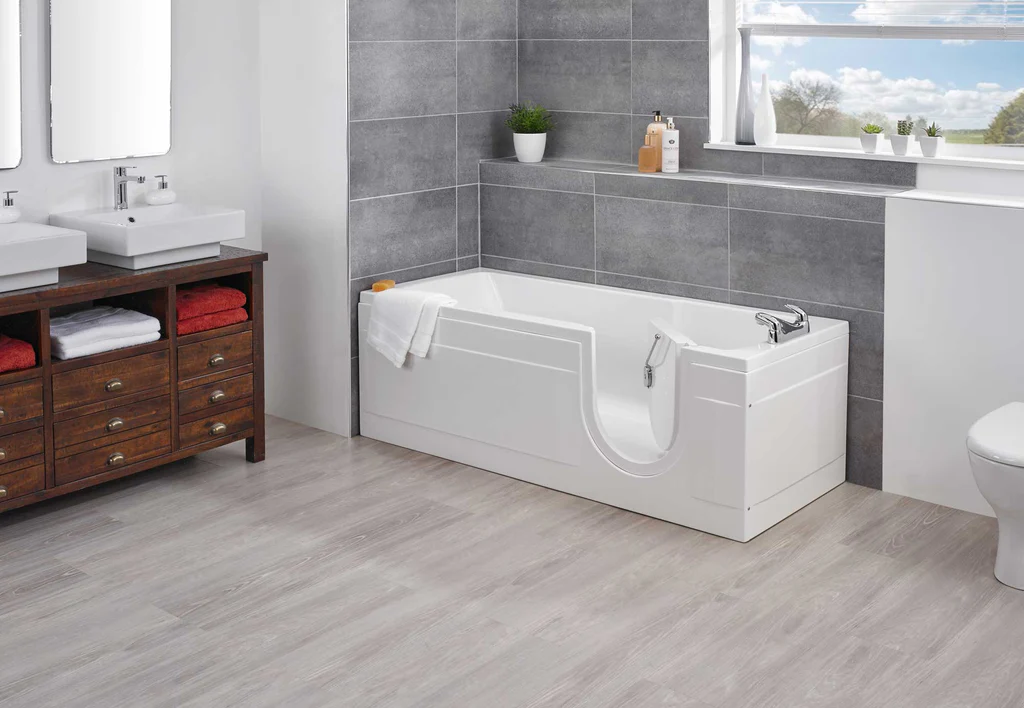
Walk-in tubs are valued for their accessibility and safety, especially for seniors and individuals with mobility challenges. A key component that ensures these tubs remain watertight is the door gasket. The material and durability of this seal directly impact the tub’s performance, maintenance needs, and long-term value. In this guide, we’ll explore the differences in walk-in tub door gasket materials, how they affect lifespan, and what to consider when choosing or replacing a gasket for your tub.
Understanding the nuances of comparing walk-in tub door gaskets is essential for homeowners, caregivers, and installers. The right gasket prevents leaks, reduces maintenance, and extends the life of the tub. For those interested in related safety and maintenance features, resources like walk-in tub suction safety features provide additional insights into keeping your bathing environment secure.
Why Door Gasket Material Matters in Walk-In Tubs
The door gasket is the flexible seal that lines the edge of a walk-in tub door, creating a watertight barrier when the door is closed. Its effectiveness depends largely on the material used. Different materials offer varying levels of flexibility, resistance to wear, and ability to withstand repeated exposure to water and cleaning agents.
When evaluating walk-in tub door gasket options, the material choice will influence:
- Leak prevention: A high-quality gasket material forms a tight seal, preventing water from escaping during use.
- Ease of maintenance: Some materials are more resistant to mold, mildew, and soap scum buildup.
- Replacement frequency: Durable materials last longer, reducing the need for frequent replacements.
- Comfort and accessibility: Soft, flexible gaskets are easier to close and open, which is important for users with limited strength or dexterity.
Common Materials Used for Walk-In Tub Door Gaskets
Manufacturers use several types of materials for door gaskets, each with unique properties. Here are the most common options:
| Material | Key Features | Typical Lifespan |
|---|---|---|
| EPDM Rubber | Excellent resistance to water, heat, and chemicals; remains flexible over time | 5–10 years |
| Silicone | Highly flexible, resists mold and mildew, withstands temperature extremes | 7–15 years |
| Neoprene | Good water resistance, moderate flexibility, affordable | 3–7 years |
| Thermoplastic Elastomer (TPE) | Combines rubber-like flexibility with plastic durability, recyclable | 5–10 years |
Each of these materials is designed to provide a reliable seal, but their performance and longevity can vary based on usage, cleaning habits, and environmental factors.
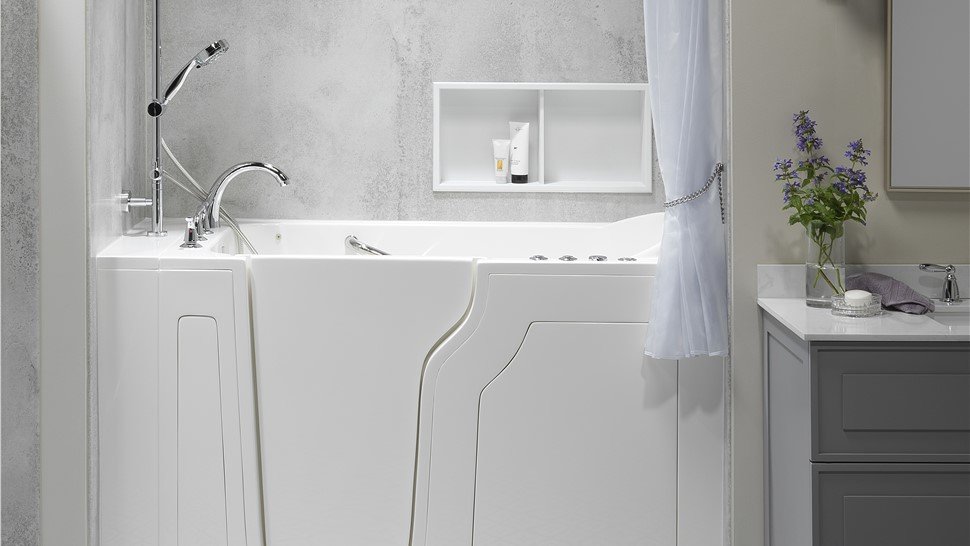
Factors That Influence Gasket Longevity
While material is a primary factor, several other elements affect how long a walk-in tub door gasket will last:
- Water Quality: Hard water can cause mineral buildup, reducing gasket flexibility and effectiveness over time.
- Cleaning Products: Harsh chemicals may degrade rubber or silicone faster. Use manufacturer-recommended cleaners to extend gasket life.
- Frequency of Use: Daily use puts more wear on the gasket, while occasional use may prolong its lifespan.
- Installation Quality: A properly installed gasket will seal better and last longer than one that is misaligned or pinched.
- Environmental Conditions: Extreme temperatures or high humidity can accelerate material aging in some gasket types.
Regular inspection and gentle cleaning help maximize the life of your tub’s door seal. If you notice cracks, flattening, or persistent leaks, it may be time to replace the gasket.
How to Choose the Right Walk-In Tub Door Gasket
When selecting a replacement or evaluating a new walk-in tub, consider the following:
- Compatibility: Ensure the gasket matches your tub model and door design.
- Material Benefits: Choose a material that aligns with your usage habits and environmental conditions. For example, silicone is ideal for humid climates, while EPDM is excellent for chemical resistance.
- Maintenance Needs: Some materials require less frequent cleaning or are more resistant to mold and mildew.
- Warranty and Support: Look for products with a strong warranty and available customer support.
- Cost vs. Longevity: While silicone and EPDM may cost more upfront, their longer lifespan can offer better value over time.
Consulting with a professional installer or your tub’s manufacturer can help ensure you select the best gasket for your needs.

Maintenance Tips for Extending Gasket Life
Proper care is essential for keeping your walk-in tub door gasket in top condition. Here are some practical tips:
- Wipe the gasket dry after each use to prevent mold and mildew growth.
- Use mild, non-abrasive cleaners to avoid damaging the material.
- Inspect the gasket regularly for signs of wear, such as cracks or loss of flexibility.
- Avoid slamming or forcing the door, as this can deform the gasket and reduce its sealing ability.
- If you notice persistent leaks, consult your tub manufacturer or a professional for advice on replacement.
For more information on keeping your bathroom safe and functional, you might find it helpful to read about the benefits of microfiber towels for walk-in showers, which can also aid in maintaining a clean environment around your tub.
Comparing Gasket Performance: What to Expect Over Time
When comparing walk-in tub door gaskets by material, it’s important to set realistic expectations for performance and maintenance. Silicone and EPDM rubber are generally considered the most durable and reliable, offering excellent longevity and resistance to water and chemicals. Neoprene and TPE are more affordable but may require more frequent replacement, especially in high-use households.
Regardless of material, all gaskets will eventually show signs of aging. Regular care and prompt replacement when needed will ensure your walk-in tub remains safe and leak-free for years to come.
If you’re interested in broader accessibility solutions, learning about aging-in-place walk-in showers can provide additional ideas for creating a safer bathroom environment.
FAQ: Walk-In Tub Door Gasket Materials and Durability
How often should a walk-in tub door gasket be replaced?
Most gaskets last between 5 and 10 years, depending on the material and how often the tub is used. Regular inspection is key—replace the gasket if you notice cracks, flattening, or leaks.
What is the best material for a walk-in tub door gasket?
Silicone and EPDM rubber are widely regarded as the best choices due to their flexibility, resistance to mold and chemicals, and long lifespan. However, the best option may vary based on your specific tub model and usage habits.
Can I replace a walk-in tub door gasket myself?
Some gaskets are designed for easy DIY replacement, while others may require professional installation. Always consult your tub’s manufacturer instructions before attempting to replace the gasket yourself.
Are there maintenance steps to prevent gasket leaks?
Yes. Wipe the gasket dry after each use, clean it regularly with mild cleaners, and avoid using harsh chemicals. Inspect the gasket often and address any signs of wear promptly to prevent leaks.