
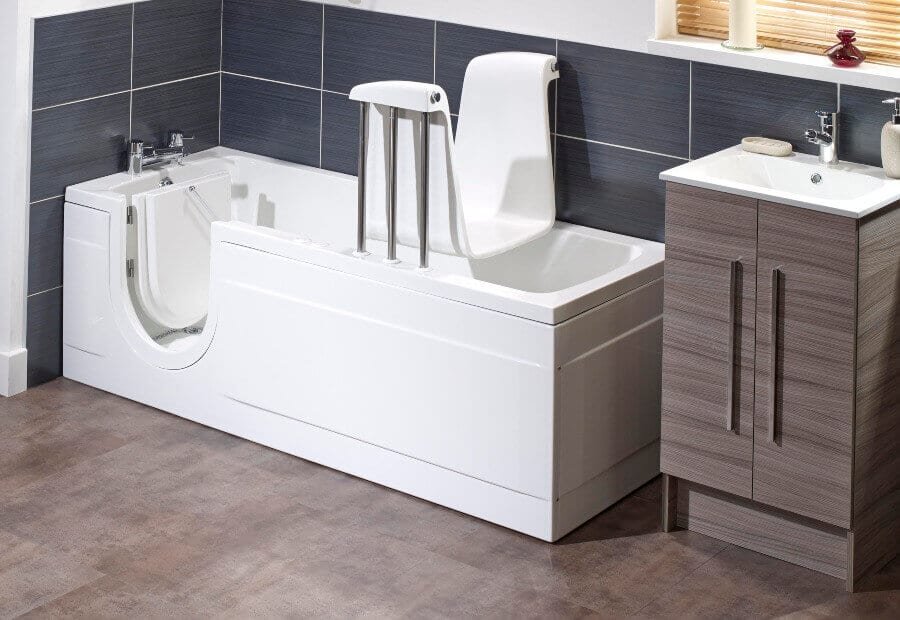
Choosing the right water heating system for your walk-in tub can make a significant difference in comfort, energy use, and overall bathing experience. Two of the most popular options are inline heaters and tankless water heaters. Each system offers unique advantages and potential drawbacks, especially when it comes to efficiency, installation, and ongoing costs. In this article, we’ll explore the differences between these two technologies, focusing on how they impact your walk-in tub experience.
Understanding the walk-in tub inline heater vs tankless debate is essential for anyone considering a new installation or an upgrade. We’ll break down how each system works, compare their performance, and help you decide which option best fits your needs. Along the way, we’ll also highlight important safety and maintenance considerations, and provide resources for further reading.
If you’re also interested in optimizing other aspects of your bathing setup, you may want to learn about how to check walk-in tub electrical grounding for safety, which is crucial when installing any electrical heating component.
Understanding Inline Heaters for Walk-In Tubs
Inline heaters are compact devices installed directly into the plumbing lines of a walk-in tub. Their primary function is to maintain the water temperature during a bath, rather than heating the entire tub from cold. These systems activate when the water jets are running, ensuring the water stays warm throughout your soak.
- Efficiency: Inline heaters are energy-efficient because they only operate when needed, reducing unnecessary power consumption.
- Installation: Most walk-in tubs come pre-fitted or ready for inline heater installation, making them a convenient option for retrofits.
- Maintenance: These heaters require minimal upkeep, but regular checks are recommended to prevent mineral buildup and ensure longevity.
One of the main benefits of inline heaters is their ability to keep bathwater at a consistent temperature, which is especially important for longer soaks or for users with mobility challenges who may take more time in the tub.
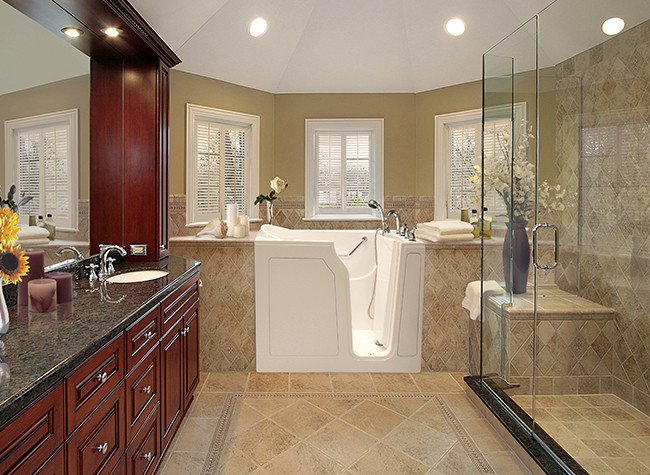
How Tankless Water Heaters Work with Walk-In Tubs
Tankless water heaters, also known as on-demand heaters, provide hot water directly to your walk-in tub without storing it in a tank. When you turn on the tap, cold water flows through the unit and is heated instantly by electric coils or a gas burner. This system delivers a continuous supply of hot water, which is especially beneficial for filling large tubs.
- Efficiency: Tankless heaters are highly efficient, as they eliminate standby heat loss associated with traditional tanks. They only use energy when hot water is needed.
- Installation: These units often require upgrades to your home’s electrical or gas system, especially if you’re replacing a standard tank heater.
- Maintenance: Regular descaling and periodic professional servicing are necessary to maintain peak performance, particularly in areas with hard water.
Tankless systems are ideal for households that need hot water for multiple uses simultaneously, such as showers, laundry, and dishwashing, in addition to the walk-in tub.
Comparing Efficiency: Inline Heater vs. Tankless for Walk-In Tubs
When evaluating walk-in tub inline heater vs tankless options, efficiency is often the deciding factor. Here’s a breakdown of how each system performs in real-world scenarios:
| Feature | Inline Heater | Tankless Heater |
|---|---|---|
| Heating Method | Maintains water temperature during use | Heats water instantly as it flows in |
| Energy Use | Operates only with jets, low standby loss | Uses energy only when hot water is needed |
| Water Supply | Relies on pre-heated water from main heater | Provides unlimited hot water (within unit’s capacity) |
| Installation Complexity | Simple, often plug-and-play | May require electrical/gas upgrades |
| Best For | Maintaining warmth during long soaks | Filling large tubs with hot water quickly |
Inline heaters excel at keeping bathwater warm, but they depend on your home’s main water heater to provide the initial hot water. Tankless systems, on the other hand, can fill a walk-in tub with hot water from the start, but require proper sizing to ensure they meet the tub’s volume and flow rate demands.
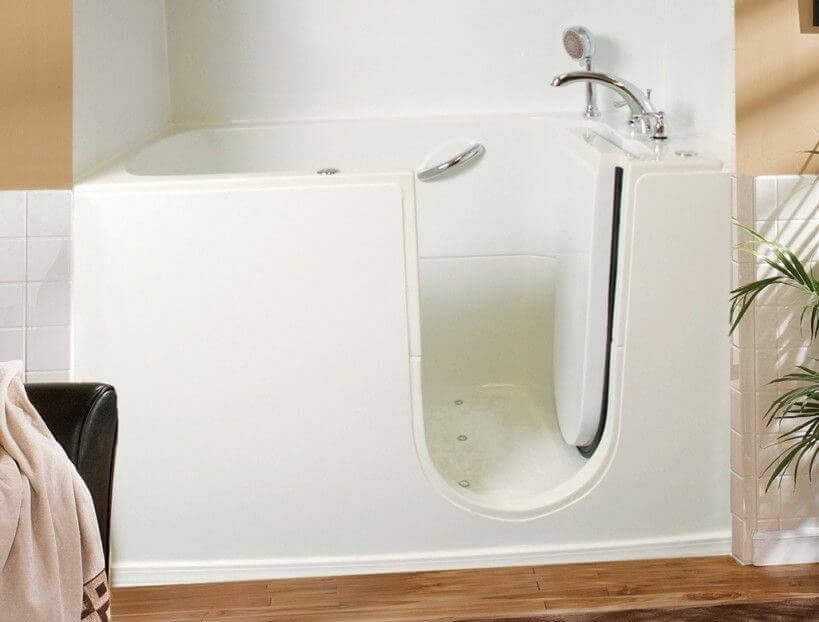
Key Factors to Consider When Choosing a Heating System
Before making a decision, it’s important to weigh several factors beyond just efficiency:
- Bathing Habits: If you enjoy long, relaxing soaks, an inline heater will help maintain a comfortable temperature. For quick fills and multiple uses, a tankless system may be preferable.
- Home Infrastructure: Tankless heaters may require significant upgrades to your electrical or gas systems. Inline heaters are typically easier to integrate with existing setups.
- Budget: Inline heaters are generally less expensive to purchase and install. Tankless systems have higher upfront costs but can offer long-term energy savings.
- Maintenance: Both systems require periodic maintenance, but tankless units may need more frequent professional servicing, especially in hard water areas.
- Safety: Proper installation and regular checks are essential for both systems. Learn more about walk-in tub suction safety features to ensure a secure bathing environment.
Benefits and Drawbacks of Each Option
Each heating system comes with its own set of pros and cons. Here’s a summary to help you decide:
Advantages of Inline Heaters
- Keep water warm during extended baths
- Lower energy consumption when used with efficient main water heaters
- Simple installation and integration with most walk-in tubs
Drawbacks of Inline Heaters
- Do not heat water from cold; rely on main water heater
- Limited to maintaining, not increasing, water temperature
Advantages of Tankless Water Heaters
- Unlimited hot water supply (within unit’s capacity)
- Highly efficient, no standby energy loss
- Can serve multiple fixtures in the home
Drawbacks of Tankless Water Heaters
- Higher upfront and installation costs
- May require upgrades to home’s electrical or gas systems
- Performance can be affected by simultaneous hot water use elsewhere in the home
Who Should Choose Which System?
The best choice depends on your specific needs and home setup:
- If you want to maintain water temperature during a long soak and already have a reliable water heater, an inline heater is often the simplest and most cost-effective choice.
- If you need to fill large tubs quickly or have multiple hot water demands in your home, a tankless system may be the better investment.
- For seniors or those with mobility issues, maintaining consistent warmth is crucial. Learn about walk-in tub solutions for seniors for additional guidance on safety and comfort features.
Additional Considerations and Resources
Beyond heating systems, there are other ways to enhance your walk-in tub experience. Features like foot massage jets can improve circulation and comfort. For more on this, see our article on walk-in tub foot massage jet benefits. Also, regular maintenance and troubleshooting can prevent common issues—see tips on how to troubleshoot walk-in tub jet noise for a quieter, more enjoyable bath.
Frequently Asked Questions
Can I use both an inline heater and a tankless water heater with my walk-in tub?
Yes, many homeowners use both systems together. The tankless heater provides a continuous supply of hot water for filling the tub, while the inline heater maintains the temperature during use. This combination offers maximum comfort and efficiency.
How do I know if my home can support a tankless water heater?
Tankless heaters often require higher electrical capacity or gas line upgrades. Consult a licensed plumber or electrician to assess your home’s infrastructure before installation.
Which system is more cost-effective in the long run?
Inline heaters have a lower upfront cost and are economical for users who primarily want to maintain water temperature. Tankless systems cost more initially but can save money over time through reduced energy use, especially in homes with high hot water demand.