Maintaining a safe and comfortable home is essential for older adults, but home repairs can become challenging with age. From fixing leaky roofs to installing grab bars, many older homeowners need assistance to keep their living spaces secure and accessible. Fortunately, there are a variety of resources and programs designed to support seniors with home maintenance and repairs. This guide explores practical steps, trusted organizations, and helpful tips for how to find home repair help for seniors—making it easier to access the support needed for a safer home environment.
Before diving into specific programs and funding options, it’s important to understand the types of repairs commonly needed and how to prioritize them. Whether you are a senior, a caregiver, or a family member, knowing where to look and what to ask can make all the difference. For those interested in related safety upgrades, you might also want to explore topics like how to check walk-in tub electrical grounding for additional peace of mind.

Understanding the Need for Home Repair Assistance
As people age, mobility and health concerns can make even minor repairs difficult. Common issues include:
- Fixing plumbing leaks or electrical hazards
- Repairing steps, handrails, or flooring to prevent falls
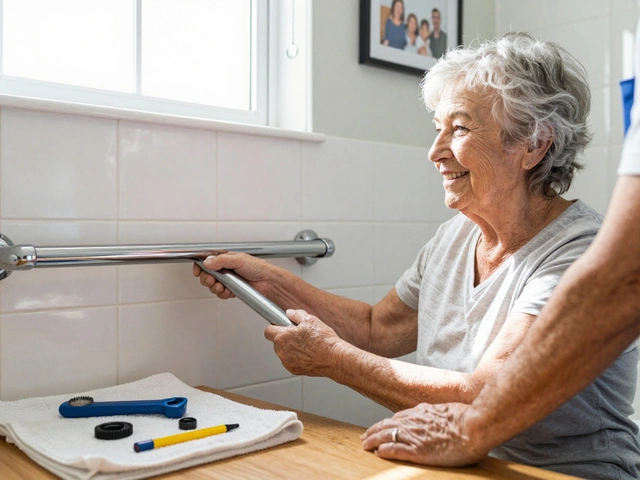
- Installing safety features like grab bars or ramps
- Addressing roof, window, or heating system problems
Unattended repairs can lead to safety risks and reduced quality of life. That’s why it’s vital to know how to find home repair help for seniors and access the right support when needed.
Key Programs and Organizations Offering Support
Several national and local organizations provide repair services or financial assistance for older adults. Here are some of the most reliable options:
- Area Agencies on Aging (AAA): These agencies connect seniors with local resources, including home repair programs, weatherization, and accessibility modifications.
- Rebuilding Together: This nonprofit offers free home repairs and safety modifications for low-income seniors in many communities.
- Habitat for Humanity: Some local chapters run “A Brush with Kindness” or similar programs focused on minor repairs and accessibility improvements for older adults.
- Local Housing Authorities: Many cities and counties offer grants or low-interest loans for critical home repairs aimed at seniors and people with disabilities.
- Faith-Based and Community Groups: Churches, synagogues, and civic organizations often organize volunteer repair days or sponsor projects for elderly neighbors.
For a comprehensive overview of available options, check out this list of home repair assistance sources for seniors that covers both national and local programs.
How to Start Your Search for Senior Home Repair Assistance
Finding the right program often starts with a few key steps:
- Assess the Home’s Needs: Make a list of urgent repairs and safety concerns. Prioritize issues that affect health, mobility, or weather protection.
- Contact Local Agencies: Begin with your local Area Agency on Aging or city housing department. They can guide you to available grants, volunteer programs, or trusted contractors.
- Check Eligibility: Many programs are income-based or have age requirements. Gather documentation such as proof of age, income, and homeownership.
- Ask About Waitlists: Some services, especially those offered by nonprofits, may have waiting periods. Apply early and follow up regularly.
- Explore Multiple Options: Don’t rely on just one source. Combining help from several organizations can address more repairs and reduce out-of-pocket costs.
For those interested in making bathrooms safer, learning about walk-in tub foot massage jet benefits can provide insight into additional upgrades that support senior wellness and comfort.
Types of Assistance Available for Older Adults
Support for home repairs comes in several forms, each with its own requirements and benefits:
- Grants: These are funds that do not need to be repaid, often available for critical repairs or accessibility modifications.
- Low-Interest Loans: Some agencies offer affordable loans for larger projects, with flexible repayment terms for seniors.
- Volunteer Labor: Many nonprofits and community groups provide skilled volunteers to complete repairs at little or no cost.
- Material Donations: Certain programs supply building materials, appliances, or safety equipment for eligible homeowners.
It’s important to ask each organization about the specific types of assistance they offer and how to apply.

Tips for a Successful Application Process
Applying for home repair assistance can feel overwhelming, but these tips can help streamline the process:
- Gather Documentation Early: Have proof of age, income, homeownership, and any disability status ready before applying.
- Be Specific About Needs: Clearly describe the repairs needed and how they impact safety or accessibility.
- Follow Up: After submitting your application, check in regularly to track progress and provide any additional information requested.
- Ask for Referrals: If one organization can’t help, ask if they know of other programs or resources in your area.
- Stay Organized: Keep copies of all correspondence, applications, and receipts for your records.
For ongoing maintenance, consider using tools like microfiber towels, which offer practical benefits for keeping walk-in showers clean. Learn more about the benefits of microfiber towels for walk-in showers to support a safer and more hygienic home environment.
Additional Resources and Safety Considerations
Beyond repairs, it’s wise to consider other safety upgrades and supports for aging in place. These might include:
- Medical alert systems for emergencies
- Improved lighting and non-slip flooring
- Routine safety checks on electrical and plumbing systems
- Upgrades to bathrooms, such as walk-in tubs with suction safety features
Combining home repairs with these enhancements can help seniors remain independent and secure in their homes for longer.
Frequently Asked Questions
What types of repairs are typically covered by senior home repair programs?
Most programs focus on essential repairs that impact safety, accessibility, and health. This includes fixing plumbing or electrical issues, repairing roofs or windows, installing ramps or grab bars, and addressing hazards that could lead to falls.
Are there income or age requirements for receiving help?
Yes, many programs have income limits and require applicants to be a certain age, often 60 or older. Some also prioritize homeowners with disabilities or those living alone. Always check the specific eligibility criteria for each program.
How can I avoid scams when seeking home repair help?
Work with reputable organizations and verify their credentials. Avoid paying large sums upfront, and never share sensitive information with unverified contractors. Local agencies on aging and city housing departments can recommend trusted providers.
Can I get help with accessibility upgrades like walk-in tubs?
Some programs do offer assistance with accessibility modifications, including walk-in tubs, ramps, and grab bars. It’s important to specify these needs when applying and ask about available funding or volunteer services for such upgrades.
Finding reliable home repair support for older adults is possible with the right information and resources. By exploring local agencies, nonprofit organizations, and community programs, seniors and their families can access the help they need to maintain a safe and comfortable home.