
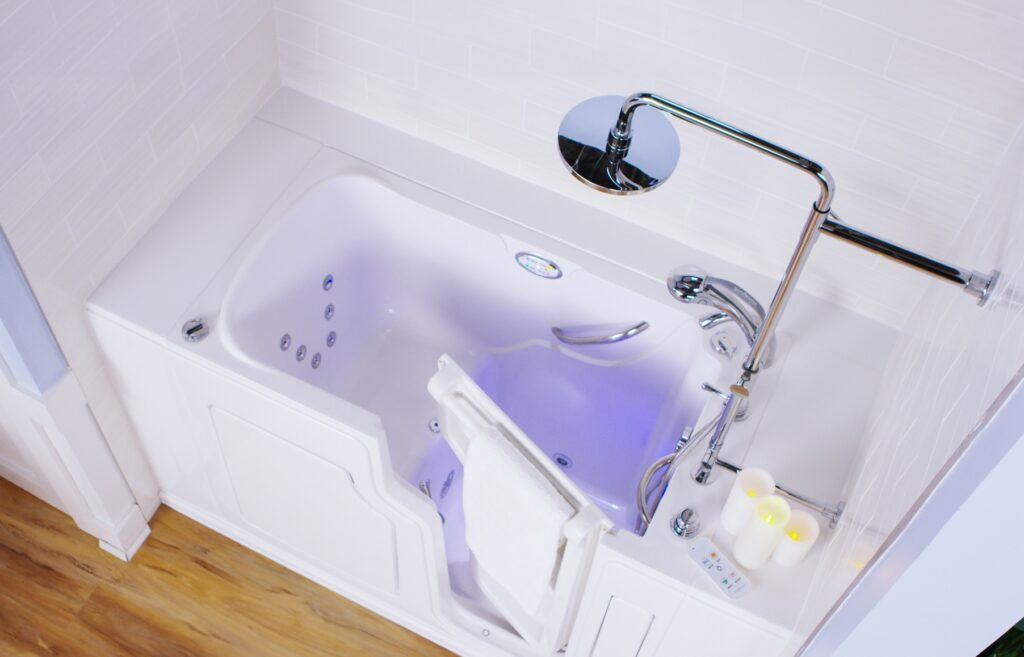
Homeowners considering upgrades for comfort and accessibility often wonder about the impact on property value. Among the most discussed options is installing a walk-in tub. The question, does a walk-in tub increase home value, is especially relevant for those looking to balance personal needs with future resale potential. This article explores the return on investment (ROI), resale considerations, and practical factors to help you decide if this bathroom upgrade is right for your home.
Walk-in tubs are designed to provide a safer and more convenient bathing experience, particularly for seniors and individuals with mobility challenges. While their benefits are clear for daily living, understanding how they affect your property’s market appeal is essential. We’ll look at what real estate experts say, the costs involved, and how buyers perceive these specialized fixtures.
For those interested in maximizing both comfort and safety, walk-in tubs offer unique features. If you’re also concerned about maintenance and safety, you might find our guide on how to check walk-in tub electrical grounding helpful before making a decision.
Evaluating the Impact of Walk-In Tubs on Property Value
When considering any home improvement, it’s natural to ask if the investment will pay off when it’s time to sell. The effect of a walk-in tub on resale value depends on several factors, including your local market, the demographics of potential buyers, and the overall condition of your home.
In areas with a large population of retirees or where accessibility is a high priority, a walk-in tub can be a selling point. Buyers who need or want accessible features may see it as a valuable addition. However, in markets where younger families dominate, a traditional bathtub or shower might be more appealing. Real estate professionals often note that highly specialized features can limit your pool of buyers, but they can also make your home stand out to the right audience.
It’s important to weigh the potential increase in home value against the initial cost and the preferences of likely buyers in your area. If your neighborhood is popular with seniors or those planning to age in place, the addition could be a smart move.
Return on Investment: Costs and Potential Gains
The cost of installing a walk-in tub can range from $2,500 to over $10,000, depending on the model, features, and installation requirements. This includes the price of the tub itself, plumbing modifications, and any additional electrical work. While this is a significant investment, it can enhance quality of life for those who need safer bathing options.
In terms of ROI, walk-in tubs generally do not recoup their full cost at resale. Estimates suggest that you may recover 50% or less of your investment, depending on buyer demand and how well the installation matches the rest of the bathroom. However, if the tub enables you or a loved one to remain in the home longer, the non-financial value can be significant.
For those concerned about maximizing resale value, it’s wise to choose a model that blends well with the existing décor and to maintain other desirable bathroom features. Some homeowners opt for walk-in tubs with a shower combination to appeal to a broader range of buyers.
Buyer Perceptions: Accessibility vs. Universal Appeal
One of the main considerations is how potential buyers will view a walk-in tub. For some, especially those with mobility needs, it is a must-have feature. For others, it may be seen as a drawback, particularly if they prefer a standard bathtub for bathing children or pets.
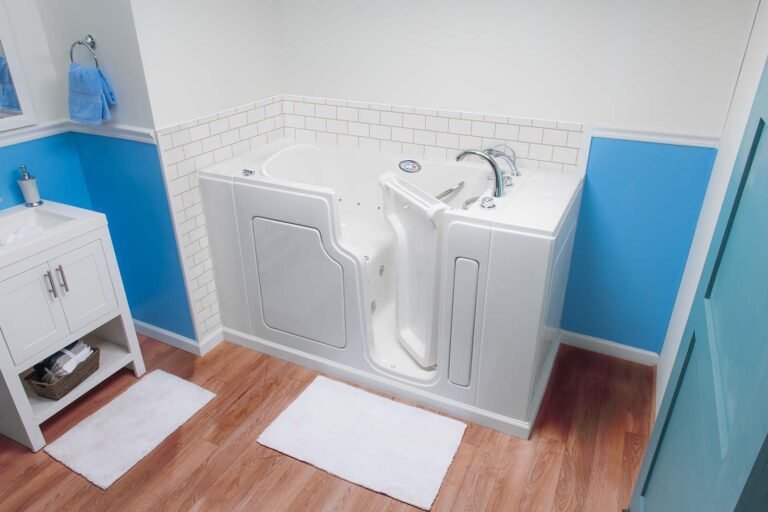
To broaden your home’s appeal, consider how the tub fits into the overall bathroom design. A modern, well-installed walk-in tub can look attractive and functional. However, if it appears out of place or takes up excessive space, it may deter buyers who don’t need accessibility features.
It’s also worth noting that some buyers may be concerned about maintenance or the complexity of using a walk-in tub. Addressing these concerns by choosing a reputable brand and ensuring professional installation can help mitigate potential objections.
Comparing Walk-In Tubs to Other Accessibility Upgrades
While walk-in tubs are a popular choice for those seeking safer bathing, other upgrades may also enhance accessibility and value. For example, walk-in showers for seniors are increasingly popular due to their modern look and ease of use. Showers with low or no thresholds, grab bars, and non-slip flooring can appeal to a wider audience and may offer a better ROI in some markets.
When choosing between a walk-in tub and other upgrades, consider your personal needs and how long you plan to stay in the home. If you anticipate selling soon, a more universally appealing option may be preferable. If you plan to age in place, the safety and comfort provided by a walk-in tub may outweigh concerns about resale value.
For those interested in other walk-in tub features, you might want to learn about walk-in tub foot massage jet benefits for circulation, which can add to the comfort and therapeutic value of your investment.
Tips for Maximizing Value with a Walk-In Tub
- Choose a reputable brand: Quality matters for both safety and resale. Select a tub with positive reviews and proven durability.
- Professional installation: Proper installation ensures safety and prevents water damage, which can negatively affect home value.
- Maintain versatility: If possible, install a walk-in tub that also functions as a shower to appeal to more buyers.
- Keep the bathroom modern: Pair the tub with updated fixtures and finishes to ensure the space feels fresh and inviting.
- Highlight accessibility: When selling, market the home’s accessibility features to attract buyers who value them.
Taking these steps can help ensure that your investment in a walk-in tub is both practical for your needs and attractive to future buyers.
Common Concerns and Maintenance Considerations
Some homeowners worry about potential issues such as leaks, cleaning, or mechanical failures. Regular maintenance and prompt repairs are key to keeping your walk-in tub in good condition. If you encounter problems like unusual noises or vibrations, resources such as how to troubleshoot walk-in tub jet noise can help you address them quickly.
Additionally, understanding the safety features of your tub, such as anti-scald valves and suction prevention, can provide peace of mind. For more on this topic, see our article on walk-in tub suction safety features.
FAQ
Will a walk-in tub make my home harder to sell?
It depends on your local market and buyer demographics. In areas with many seniors or those seeking accessible homes, a walk-in tub can be a selling point. In markets with younger families, it may narrow your pool of buyers. Presenting the tub as a modern, well-integrated feature can help maintain broad appeal.
How much of my investment can I expect to recoup?
Most homeowners recover about 50% or less of the installation cost at resale. The exact amount depends on the quality of the installation, the condition of the bathroom, and buyer demand for accessibility features in your area.
Are there alternatives that might add more value?
Yes, options like walk-in showers with low thresholds, grab bars, and non-slip flooring often appeal to a wider range of buyers and may offer a better ROI. For more information, see this comprehensive guide to walk-in showers for seniors.
What maintenance is required for a walk-in tub?
Regular cleaning and periodic checks of seals and mechanical components are important. Addressing issues like jet noise or leaks promptly will help maintain both functionality and value. For cleaning tips, you might also explore the benefits of microfiber towels for walk-in showers, which can also be used for walk-in tubs.
In summary, installing a walk-in tub can enhance comfort and safety, especially for those with mobility needs. While it may not dramatically increase home value for every buyer, it can be a worthwhile investment for the right household and market. By considering your personal needs, local buyer preferences, and the tips above, you can make an informed decision about this significant home upgrade.