

Ensuring that your home is equipped with proper lighting for evacuation routes is a crucial step in creating a safe environment for everyone, especially during emergencies. Well-lit pathways can make the difference between a smooth, swift exit and confusion or injury when seconds count. This article explores the essentials of effective emergency lighting, the best types of fixtures, and practical tips for illuminating hallways, staircases, and exits in residential settings.
Beyond just adding brightness, thoughtfully designed lighting systems help guide household members and guests safely out of the building in low-visibility situations such as power outages, fires, or severe weather. Whether you live alone, with children, or care for elderly family members, prioritizing safe passageways is a responsible and proactive choice.
For those interested in home safety improvements, you may also want to learn about how to check walk-in tub electrical grounding to further reduce risks in your living space.
Why Proper Pathway Illumination Matters
In an emergency, clear visibility is vital. Lighting for evacuation routes ensures that every household member can quickly identify exits, avoid obstacles, and move safely. Darkness or dimly lit corridors can lead to disorientation, falls, or injuries, especially for children, seniors, or those with mobility challenges.
- Reduces panic: Bright, consistent lighting helps people stay calm and focused during stressful situations.
- Prevents accidents: Illuminated stairs and hallways minimize the risk of tripping or bumping into objects.
- Guides the way: Marking escape routes with lights makes it easier to find doors and windows, even if smoke or debris is present.
Building codes for commercial properties often require emergency lighting, but homeowners can benefit from adopting similar strategies to protect their families.
Key Principles for Effective Emergency Lighting
When planning lighting for evacuation routes in the home, consider these essential principles:
- Continuous Illumination: Ensure that there are no dark spots along the escape path, from bedrooms to exits.
- Automatic Activation: Use fixtures that turn on automatically during power outages or when motion is detected at night.
- Low-Level Placement: Install lights near the floor to provide visibility even if smoke rises during a fire.
- Battery Backup: Choose lights with built-in batteries so they function during electrical failures.
- Minimal Glare: Select fixtures that provide even, diffused light to avoid blinding glare or harsh shadows.
Following these guidelines will help you create a reliable and user-friendly system that works for all ages and abilities.
Types of Fixtures for Home Evacuation Pathways
There are several lighting options suitable for illuminating escape routes at home. Each has unique benefits and can be combined for maximum effectiveness.
- LED Recessed Lights: These fixtures are installed into ceilings or walls and provide unobtrusive, energy-efficient lighting. They are ideal for hallways and stairwells.
- Motion Sensor Night Lights: Placed along baseboards or outlets, these lights activate when movement is detected, ensuring safe passage without the need to fumble for switches.
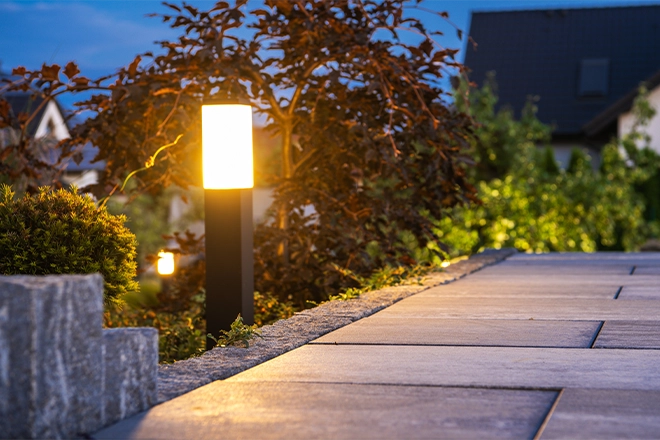
- Bollard and Pathway Lights: For outdoor routes, bollard lights mark walkways and driveways, guiding residents to safety even at night.
- Emergency Exit Signs: While more common in commercial buildings, compact versions are available for home use and can be installed above doors.
- Glow-in-the-Dark Tape: Supplemental to electric lighting, photoluminescent tape can mark stairs, door frames, and handrails for added visibility.
For a deeper dive into fixture types and their uses, see this comprehensive guide to indoor lighting types.
Best Practices for Installing Safe Passage Lighting
Proper installation is just as important as fixture selection. Here are some best practices for setting up lighting for evacuation routes in your home:
- Map Your Routes: Identify the most direct paths from bedrooms and living areas to all exits. Include both primary and secondary escape routes.
- Install at Key Points: Place lights at stairways, hallway intersections, doorways, and any potential tripping hazards.
- Use Redundant Power: Opt for fixtures with battery backup or connect to an uninterruptible power supply (UPS).
- Test Regularly: Check batteries and bulbs monthly to ensure everything works when needed.
- Consider Smart Controls: Integrate with home automation systems for remote activation and monitoring.
For additional safety tips, you might also be interested in the walk-in tub suction safety features that help prevent entrapment in bathrooms.
Common Mistakes to Avoid
While setting up emergency lighting, avoid these frequent pitfalls:
- Overlooking Outdoor Areas: Don’t forget to illuminate exterior steps, porches, and paths leading away from the house.
- Using Only Overhead Lights: Relying solely on ceiling fixtures can leave lower areas in shadow, especially if smoke is present.
- Neglecting Battery Checks: Dead batteries render emergency lights useless—set reminders to test and replace them regularly.
- Blocking Fixtures: Ensure that furniture, curtains, or decorations do not obstruct light sources.
Addressing these issues will help maintain a clear and reliable escape route under any circumstances.

Maintaining and Testing Your Emergency Lighting System
Once your evacuation route lighting is installed, ongoing maintenance is essential. Here’s how to keep your system in top condition:
- Monthly Inspections: Walk your escape routes and verify that all lights activate and illuminate the intended areas.
- Battery Replacement: Change batteries in backup fixtures at least once a year, or as recommended by the manufacturer.
- Clean Fixtures: Dust and debris can reduce light output. Wipe down covers and lenses to maintain brightness.
- Update as Needed: As your family’s needs change, adjust lighting placement or add new fixtures to cover additional routes.
Regular checks ensure that your investment in safety remains effective over time. For more on home maintenance, see the benefits of microfiber towels for walk-in showers to keep bathrooms clean and safe.
Frequently Asked Questions
What is the best type of lighting for home evacuation routes?
The most effective options are LED recessed lights for hallways and staircases, and motion sensor night lights for bedrooms and bathrooms. Both provide reliable, energy-efficient illumination and can be equipped with battery backup for emergencies.
How often should I test my emergency lighting system?
It’s recommended to test all emergency lights and backup batteries at least once a month. This ensures that everything functions properly and that batteries are replaced before they lose charge.
Can I use smart home devices to control evacuation route lighting?
Yes, integrating smart controls allows you to automate lighting schedules, receive alerts for maintenance, and remotely activate lights during an emergency. Many modern fixtures are compatible with home automation platforms.
Conclusion
Investing in lighting for evacuation routes is a practical way to enhance home safety and peace of mind. By choosing the right fixtures, installing them thoughtfully, and maintaining them regularly, you can ensure that everyone in your household is prepared to exit quickly and safely if the need arises. Combine these efforts with other safety upgrades, such as how to troubleshoot walk-in tub jet noise or walk-in tub foot massage jet benefits, to create a comprehensive approach to home protection.