
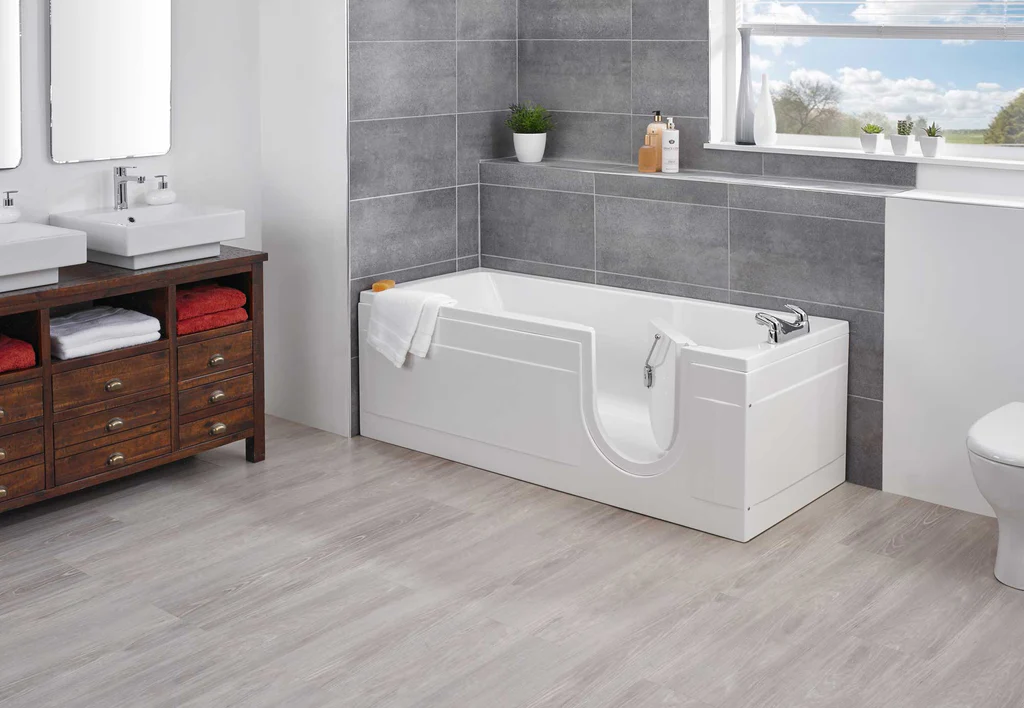
Upgrading your bathroom with a walk-in tub can significantly improve safety, comfort, and accessibility, especially for seniors or anyone with mobility challenges. However, before your new tub arrives, it’s essential to get your home ready for both delivery and installation. Understanding how to prepare a home for walk-in tub delivery ensures a smooth process, minimizes delays, and helps you avoid unexpected complications.
This guide covers every step you need to take, from measuring doorways to prepping the bathroom, and highlights important safety and maintenance considerations. You’ll also find tips on electrical and plumbing readiness, as well as advice on what to expect on installation day. If you’re interested in maximizing the benefits of your new tub, you may also want to learn about walk-in tub foot massage jet benefits for circulation and comfort.
Assessing Your Space: Measurements and Pathways
One of the first steps in preparing for walk-in tub delivery is to measure all relevant spaces. Start by checking the dimensions of your new tub and compare them to your bathroom’s layout. Pay special attention to:
- Bathroom door width and height
- Hallways and stairways leading to the bathroom
- Clearance around corners and tight spaces
Remove any obstacles along the delivery path, such as rugs, furniture, or decorative items. If your home has narrow hallways or tight turns, consider temporarily removing doors from their hinges or moving other fixtures to create more space. This step is crucial for ensuring the tub can be brought in without damage to your home or the product.
Preparing the Bathroom for Installation
Before the installers arrive, the bathroom itself needs to be ready. This includes clearing out personal items, cleaning the area, and making sure there’s enough working space. Here’s what to do:
- Remove toiletries, towels, and bath mats
- Take down shower curtains or glass doors if necessary
- Clear cabinets or shelving near the tub area
- Ensure the floor is dry and free of debris
If you’re replacing an old bathtub, confirm with your installer whether they will handle the removal or if you need to arrange this in advance. Some companies include removal in their service, while others may charge extra or require you to hire a separate contractor.

Plumbing and Electrical Considerations
Most walk-in tubs require specific plumbing and electrical setups. Review the manufacturer’s requirements and consult with a licensed plumber and electrician if needed. Key points to address include:
- Ensuring your water heater can supply enough hot water for the tub’s capacity
- Checking that water supply lines and drains are compatible with the new tub
- Verifying that electrical outlets meet the tub’s power needs (often a dedicated GFCI circuit)
- Making sure shut-off valves are accessible and functional
For safety, it’s important to have proper electrical grounding. For more details, see how to check walk-in tub electrical grounding to ensure compliance and peace of mind.
Delivery Day: What to Expect and How to Help
On the day your walk-in tub is delivered, make sure someone is home to greet the delivery team and answer any questions. Keep pets and children away from the work area. Double-check that all pathways are still clear and that the bathroom is accessible.
The installers may need to:
- Protect floors with drop cloths or cardboard
- Shut off water and electricity temporarily
- Remove the old tub (if not already done)
- Position and secure the new walk-in tub
- Connect plumbing and electrical lines
- Test the tub for leaks and proper operation
Be prepared for some noise and dust during installation. Most jobs take one to two days, depending on the complexity of your bathroom and any additional work required.

Safety and Accessibility Enhancements
Once your new tub is installed, consider additional safety features to enhance your bathing experience. Grab bars, non-slip mats, and handheld showerheads are popular upgrades. If you’re interested in easy cleaning and maintenance, explore the benefits of microfiber towels for walk-in showers and tubs.
For those concerned about suction safety, understanding walk-in tub suction safety features can help prevent entrapment and provide additional peace of mind.
Cleaning Up and Maintenance Tips
After installation, the installers should clean up the workspace and remove any debris. It’s a good idea to wipe down surfaces and ventilate the bathroom to remove dust. To keep your walk-in tub in top condition:
- Follow the manufacturer’s cleaning instructions
- Use non-abrasive cleaners to protect surfaces
- Check for leaks or loose fittings periodically
- Test safety features like grab bars and suction systems regularly
Routine maintenance will extend the life of your investment and ensure ongoing safety for everyone in your household.
Additional Resources for Aging in Place
If you’re planning a broader bathroom remodel or want to learn more about accessible bathing solutions, you might find this guide to aging in place walk-in showers helpful. These resources can provide inspiration and practical advice for creating a safer, more comfortable home environment.
For those interested in easy cleaning, walk-in shower non-porous surface benefits are worth considering, especially if you want to reduce maintenance time and effort.
Frequently Asked Questions
What should I do if my doorways are too narrow for the walk-in tub?
If your doorways or hallways are too narrow, you may need to temporarily remove doors or trim, or in rare cases, widen the opening. Consult with your installer before delivery to discuss possible solutions. Some tubs can be partially disassembled for easier transport, but always verify with the manufacturer.
How long does it take to install a walk-in tub?
Most installations take between one and two days, depending on the complexity of the plumbing and electrical work, as well as any demolition required. If additional modifications are needed, such as moving walls or rerouting pipes, the process may take longer.
Do I need to upgrade my water heater for a walk-in tub?
Many walk-in tubs have a larger capacity than standard bathtubs, which means they require more hot water. Check your tub’s specifications and compare them to your water heater’s output. If your current heater is undersized, you may need to upgrade to ensure comfortable, uninterrupted baths.
Are there special cleaning requirements for walk-in tubs?
Yes, it’s best to use non-abrasive, mild cleaners to avoid damaging the tub’s surface. Regularly clean jets and drains to prevent buildup. Always follow the manufacturer’s care instructions for optimal results.
Can I install a walk-in tub myself?
While some experienced DIYers may be able to handle installation, most walk-in tubs require professional plumbing and electrical work. Hiring licensed installers ensures safety, compliance with local codes, and protects your warranty.