
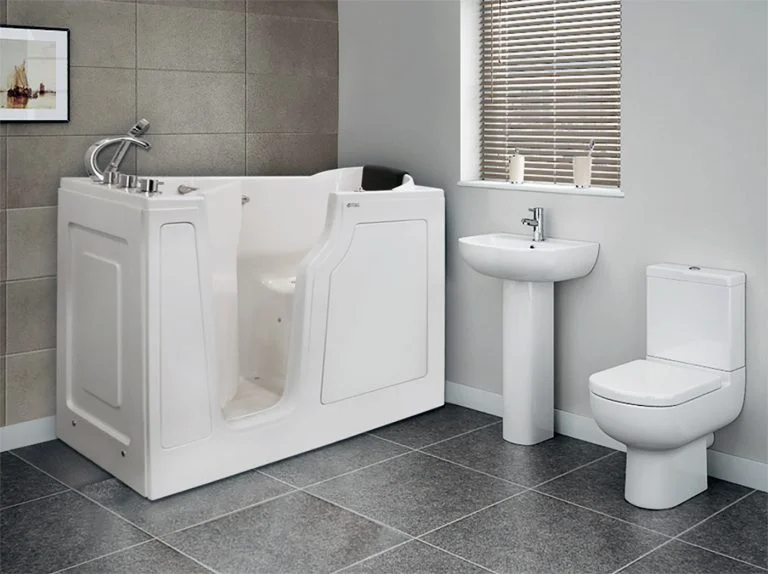
Safe and accessible bathing is a top priority for many seniors and individuals with mobility challenges. As the demand for home modifications grows, walk-in tubs have become a popular solution, offering comfort, independence, and peace of mind. Comparing walk-in tubs for elderly and disabled users involves understanding the key features, safety benefits, and practical considerations that set these products apart from standard bathtubs.
This guide provides a clear overview of the most important factors to consider when evaluating walk-in tubs for those with limited mobility. Whether you’re a caregiver, a family member, or someone planning for your own future needs, knowing what to look for can make a significant difference in safety and quality of life.
For those interested in other accessible bathroom solutions, you may also want to explore the walk-in shower linear drain vs center drain comparison, which highlights drainage options for barrier-free showers.
Key Features to Evaluate When Selecting Accessible Bathtubs
When comparing walk-in tubs for elderly and disabled users, several features stand out as essential for safety and usability. Here are the most important aspects to review:
- Low Step-In Threshold: A lower entry point reduces the risk of tripping and makes it easier for users with limited mobility to enter and exit the tub safely.
- Watertight Door: The door should seal tightly to prevent leaks, and the latch mechanism should be easy to operate for those with arthritis or reduced hand strength.
- Built-In Seating: A comfortable, contoured seat allows users to bathe while seated, minimizing the need to lower themselves to the floor of the tub.
- Grab Bars and Handrails: Strategically placed grab bars provide extra support and stability during transfers and while bathing.
- Non-Slip Surfaces: Textured flooring and seating help prevent slips and falls, which are a leading cause of injury in the bathroom.
- Easy-to-Reach Controls: Faucet handles, shower wands, and drain levers should be accessible from a seated position and require minimal force to operate.
Some walk-in tubs also offer advanced features such as hydrotherapy jets, heated surfaces, and quick-drain technology. While these can enhance comfort, the core safety features should always take priority for elderly and disabled users.
Comparing Tub Types for Different Mobility Needs
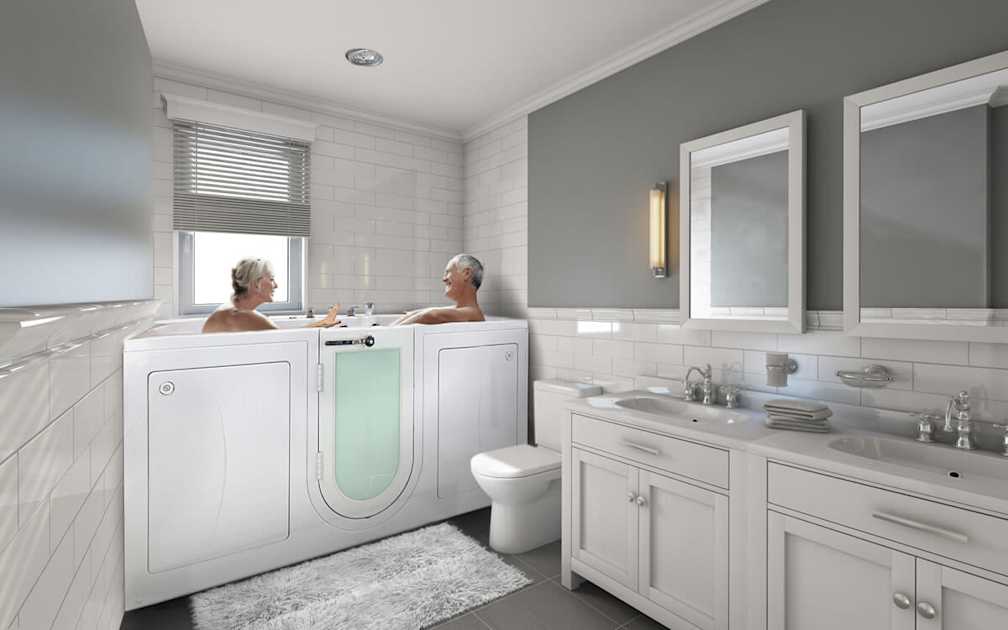
Walk-in tubs come in a variety of configurations to accommodate a range of mobility challenges. Understanding the differences can help you select the most appropriate model for your needs.
- Soaker Tubs: The most basic type, designed primarily for safe, seated bathing. These are ideal for users who want simplicity and reliability without extra features.
- Hydrotherapy Tubs: Equipped with water or air jets, these tubs provide therapeutic massage benefits, which can help with circulation and joint pain. They are especially beneficial for users with arthritis or chronic pain conditions.
- Bariatric Models: Built to support higher weight capacities, these tubs offer wider doors and reinforced seating for larger users.
- Wheelchair-Accessible Tubs: Featuring outward-swinging doors and lower seats, these designs allow for lateral transfers from a wheelchair, making them suitable for users with very limited mobility.
When comparing walk-in tubs for elderly and disabled individuals, it’s important to match the tub type to the user’s current and anticipated future needs. Consulting with an occupational therapist can provide valuable guidance in this process.
Safety and Accessibility Considerations
Safety is the primary reason many people choose walk-in tubs over standard bathtubs. Here are some critical safety elements to look for:
- Anti-Scald Technology: Temperature control valves prevent water from reaching unsafe levels, reducing the risk of burns.
- Fast Fill and Drain Times: Quick-fill faucets and rapid-drain systems minimize the time users spend sitting in the tub waiting for water to fill or empty, which is especially important for those sensitive to temperature changes.
- Emergency Release Mechanisms: In the event of a power outage or mechanical failure, the door should be able to open easily from the inside.
- ADA-Compliant Features: Tubs that meet Americans with Disabilities Act (ADA) standards ensure a higher level of accessibility and safety for users with disabilities.
For more information on safety features, you can read about walk-in tub safety sensor functions and how automatic shut-offs work to protect users.
Installation and Space Requirements
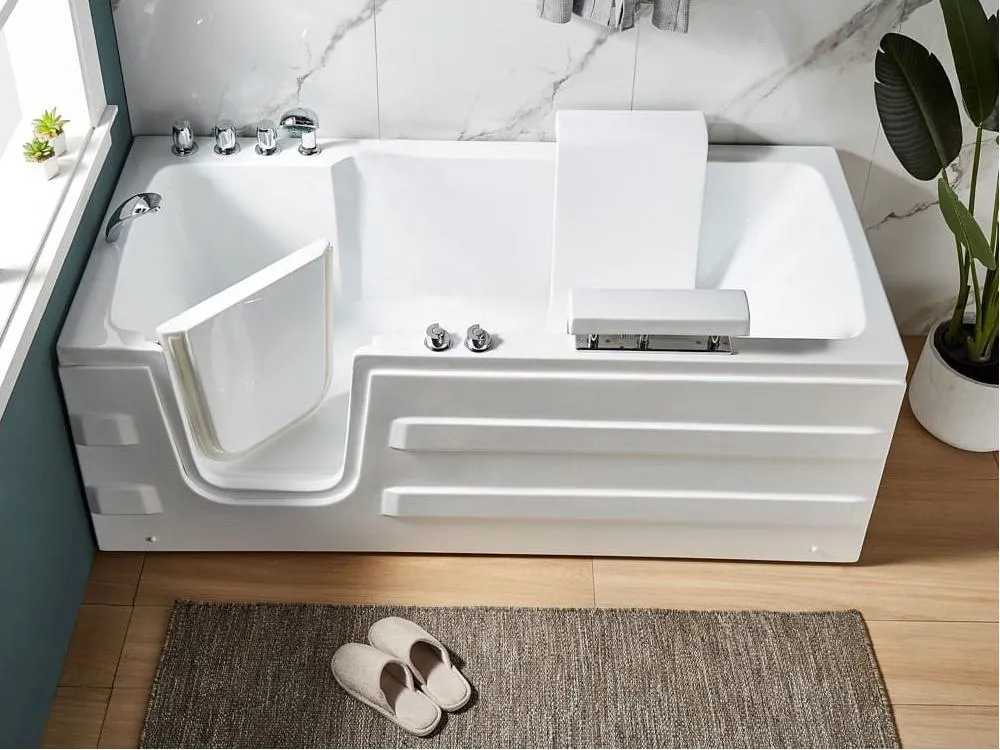
Before purchasing, it’s essential to measure your bathroom and ensure there is enough space for the chosen tub model. Most walk-in tubs are designed to fit in the footprint of a standard bathtub, but bariatric and wheelchair-accessible models may require additional space.
Consider the following installation factors:
- Door Swing Direction: Make sure the door can open fully without hitting walls, vanities, or toilets.
- Plumbing Adjustments: Some tubs may require modifications to your existing plumbing or electrical systems, especially if they include pumps or heaters.
- Floor Reinforcement: Heavier tubs, especially those with hydrotherapy features, may need additional floor support.
For compact bathrooms or users with smaller frames, check out this resource on how to choose a walk-in tub for a small person for tips on finding the right fit.
Cost, Warranty, and Long-Term Value
The price of walk-in tubs varies widely depending on size, features, and brand. Basic soaker models typically start around $2,000, while advanced hydrotherapy or bariatric tubs can exceed $10,000 including installation. When evaluating cost, consider:
- Warranty Coverage: Look for comprehensive warranties that cover both the tub and its mechanical components.
- Installation Fees: Professional installation is strongly recommended for safety and warranty validity. Get multiple quotes to compare pricing.
- Long-Term Savings: Investing in a quality walk-in tub can reduce the need for assisted living or in-home care, potentially saving money over time.
Some insurance plans or government programs may offer assistance for medically necessary home modifications. Always check eligibility before making a purchase.
Additional Resources and Alternatives
While walk-in tubs are a leading choice for safe bathing, other accessible options exist. For example, aging-in-place walk-in showers provide barrier-free entry and are easier to clean and maintain. You can also learn about the difference between walk-in showers and wet rooms to see which solution best fits your needs.
Don’t forget to consider safety accessories such as walk-in shower grab bar weight ratings to ensure proper support in any accessible bathroom setup.
Frequently Asked Questions
What is the average installation time for a walk-in tub?
Most walk-in tubs can be installed within one to two days by a professional. The process may take longer if plumbing or electrical upgrades are needed, or if the bathroom requires significant remodeling to accommodate the new tub.
Are walk-in tubs covered by Medicare or insurance?
Traditional Medicare does not typically cover the cost of walk-in tubs, as they are considered “luxury” or non-essential items. However, some Medicare Advantage plans, Medicaid waivers, or long-term care insurance policies may provide partial coverage if the tub is deemed medically necessary. It’s best to check with your provider for specific eligibility requirements.
How do I maintain and clean a walk-in tub?
Regular cleaning with non-abrasive cleaners is recommended to prevent soap scum and mildew buildup. If your tub has jets, follow the manufacturer’s instructions for flushing the system periodically. Inspect door seals and hardware regularly to ensure everything remains watertight and functional.