
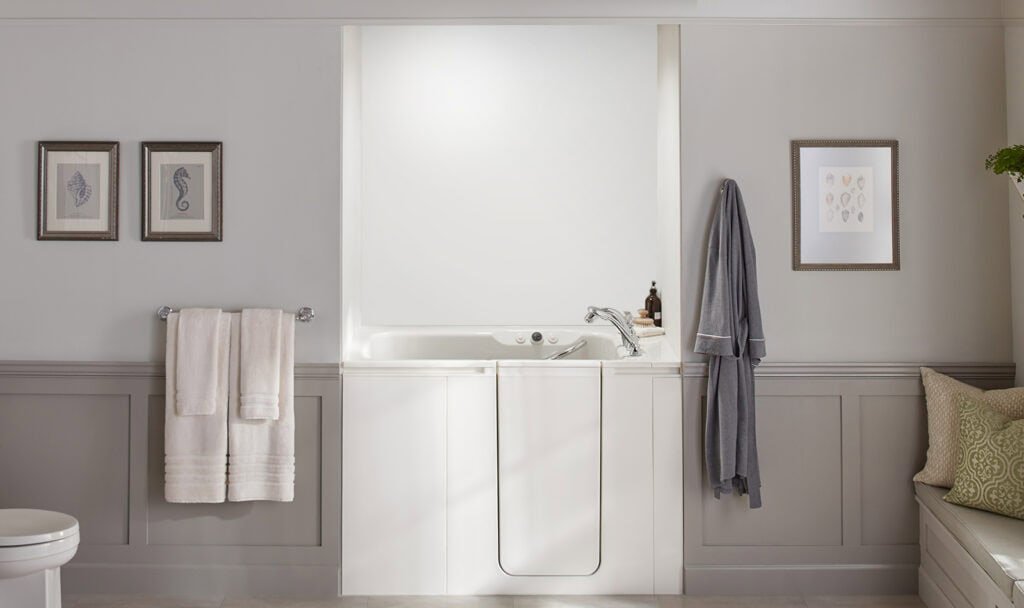
Finding the right walk-in tub can be a challenge, especially for those with a smaller body type or limited mobility. The right fit is crucial for comfort, safety, and ease of use. If you’re researching how to choose a walk-in tub for a small person, this guide breaks down the essential features, measurements, and considerations to help you make an informed decision. Whether you’re shopping for yourself or a loved one, understanding the options available ensures a safer and more enjoyable bathing experience.
Walk-in tubs come in many shapes and sizes, but not all are designed with petite users in mind. Selecting a model that matches your height, reach, and mobility needs can make daily bathing more accessible and reduce the risk of slips or discomfort. Before diving into the details, it’s helpful to understand how walk-in tubs differ from other accessible bathing solutions. For more on this, see the difference between walk-in showers and wet rooms to compare your options.
Key Considerations When Selecting a Walk-In Tub for Petite Users
Choosing a walk-in tub for someone with a smaller frame involves more than just picking the smallest model available. Here are the most important factors to consider:
- Seat Height and Depth: The seat should allow feet to rest flat on the floor for stability. A seat that’s too high or deep can make it difficult to sit comfortably or stand up safely.
- Door Design: Outward-swinging doors or low-threshold entries are easier for shorter individuals to use, reducing the need to step over a high ledge.
- Handle and Control Placement: Controls should be within easy reach from a seated position. Adjustable or ergonomically placed handles and faucets are ideal for those with limited reach.
- Overall Tub Dimensions: Compact tubs save space and are easier for petite users to maneuver in, but should still provide enough room for comfortable bathing.
- Safety Features: Non-slip floors, grab bars, and anti-scald valves add extra protection, especially for those with balance or mobility concerns.
Understanding Tub Sizes and Measurements
When focusing on how to choose a walk-in tub for a small person, precise measurements are essential. Standard walk-in tubs are often designed for average to larger adults, but many manufacturers offer compact or petite models. Here’s what to look for:
- Length: Petite tubs typically range from 36 to 48 inches long, compared to standard models that can be 52 inches or more.
- Width: A width of 26 to 28 inches is common for smaller tubs, making them easier to fit in tight bathroom spaces.
- Seat Height: Look for seats that are 14 to 17 inches high. This allows shorter users to sit comfortably with their feet touching the floor.
- Step-In Height: Lower thresholds (3 to 5 inches) are preferable for those with shorter legs or limited mobility.
Always measure your bathroom space and compare it to the tub’s external dimensions before purchasing. This ensures a proper fit and easy installation.
Features That Benefit Smaller Bathers
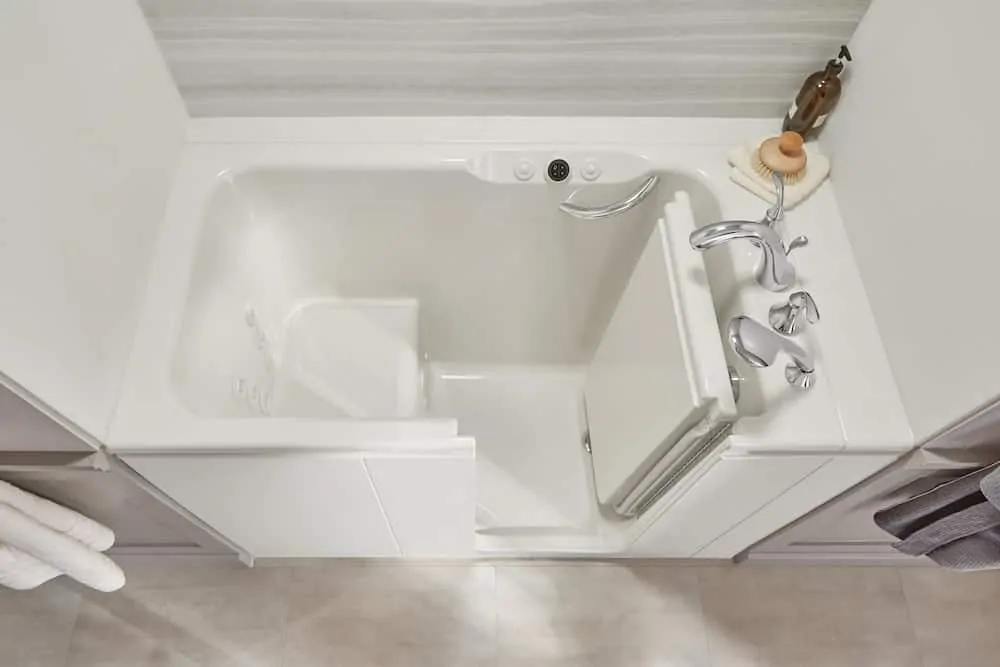
Beyond size, certain features make walk-in tubs more comfortable and safer for petite users:
- Adjustable Shower Wands: Handheld showerheads with flexible hoses allow for easy rinsing without overreaching.
- Contoured Seating: Ergonomically designed seats provide better support for smaller frames, reducing fatigue during longer soaks.
- Quick Drain Technology: Faster draining means less waiting time before exiting, which is especially helpful for those who get cold easily or have limited patience for standing.
- Customizable Grab Bars: Placement can be tailored to the user’s height and reach, improving safety and accessibility.
- Low Threshold Entry: A lower step-in makes entering and exiting the tub easier and safer for shorter individuals.
Some models also offer heated seats and backrests, which can add comfort for users who are sensitive to cold or have circulation issues.
Comparing Frame and Construction Types
The construction of a walk-in tub affects its durability, weight, and ease of installation. For smaller users, a lighter tub may be easier to install in older homes or upper floors. To learn more about materials, see this detailed guide on walk-in tub frame construction types and how steel and aluminum frames compare.
Choosing the right material ensures your tub lasts for years and fits your home’s structure. For petite users, a lighter frame can also mean easier installation and less strain on bathroom floors.
Safety and Accessibility Upgrades
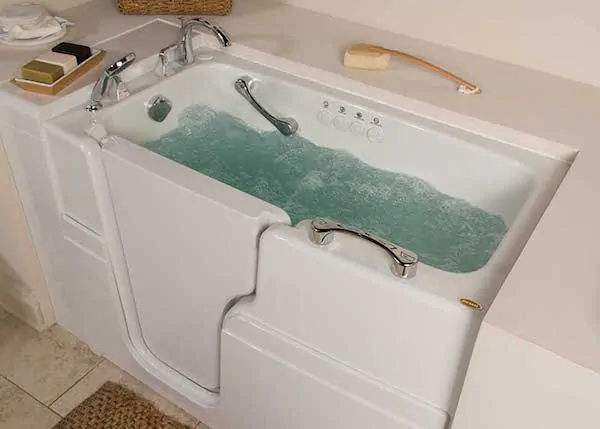
Safety is a top priority when selecting a walk-in tub for anyone, but especially for those with a smaller build or limited mobility. Look for these features:
- Anti-Slip Flooring: Textured surfaces reduce the risk of slips and falls.
- Built-In Grab Bars: Properly placed bars help with balance and support during entry and exit.
- Easy-to-Reach Controls: Controls for water temperature, jets, and drains should be accessible from a seated position.
- Automatic Shut-Off Sensors: For added peace of mind, some tubs include sensors that prevent overflows or unsafe water temperatures. More details can be found in this article on walk-in tub safety sensor functions.
These upgrades not only enhance safety but also make the bathing experience more pleasant and stress-free for petite users.
Comparing Walk-In Tubs to Other Accessible Bathing Solutions
While walk-in tubs are a popular choice, it’s worth considering how they compare to other accessible options like walk-in showers. For some, a shower may be easier to use and require less space. For a comprehensive comparison, check out this walk-in shower guide that covers the pros and cons of each solution.
Walk-in tubs offer the benefit of full-body soaking and therapeutic features, but showers may be preferable for those who want a quicker, lower-maintenance solution. Consider your personal preferences, mobility needs, and bathroom layout before making a final decision.
Installation and Maintenance Tips
Once you’ve selected the right walk-in tub, proper installation and maintenance are key to long-term satisfaction. Here are some practical tips:
- Hire a professional installer familiar with accessible bathing products to ensure a secure and leak-free fit.
- Check that plumbing and electrical systems meet the requirements for your chosen tub model.
- Regularly clean and inspect the tub, focusing on seals, drains, and jets to prevent buildup and maintain hygiene.
- Test safety features like grab bars and anti-scald valves periodically to ensure they function correctly.
Maintenance is generally straightforward, but following the manufacturer’s instructions will extend the life of your tub and keep it safe for daily use.
Frequently Asked Questions
What is the best seat height for a petite person in a walk-in tub?
The ideal seat height for a smaller user is typically between 14 and 17 inches. This allows most people to sit comfortably with their feet flat on the floor, improving stability and ease of standing.
Are there walk-in tubs specifically designed for small bathrooms?
Yes, many manufacturers offer compact or petite models that fit into smaller spaces. These tubs often have a shorter length and narrower width, making them suitable for tight bathrooms while still providing essential safety features.
What safety features should I prioritize for a small user?
Key safety features include non-slip flooring, low-threshold entry, easy-to-reach controls, and grab bars placed at appropriate heights. Automatic shut-off sensors and anti-scald valves add extra protection, especially for those with limited mobility.