
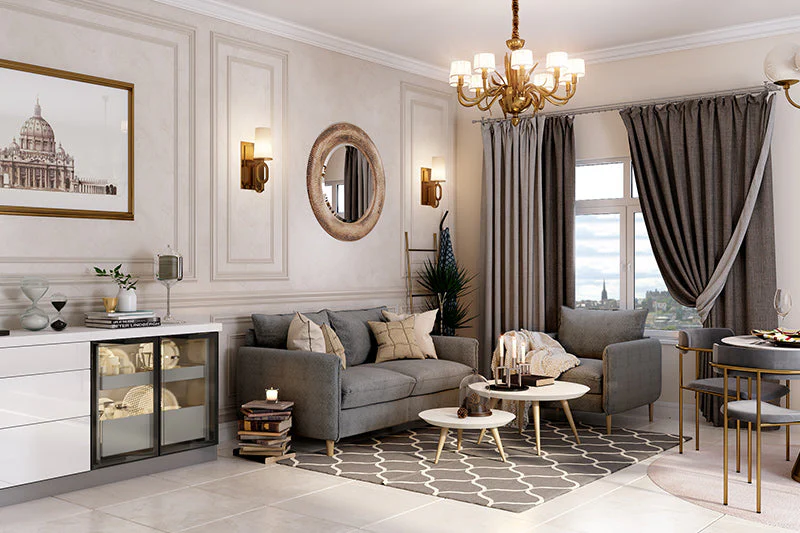
Creating a well-lit environment in large, open areas is essential for both safety and comfort. Whether you’re designing a living room, an open-plan kitchen, or a commercial lobby, the right approach to lighting for open spaces safely can dramatically improve how people move through and use the area. Good illumination not only prevents accidents but also enhances the atmosphere, making spaces more inviting and functional.
Many homeowners and facility managers overlook the importance of strategic lighting in expansive rooms. Yet, the right fixtures and placement can help define zones, guide movement, and ensure every corner is visible. For those interested in other aspects of home safety, you might also want to review walk-in shower grab bar weight ratings to further enhance accessibility and support throughout your living spaces.
Key Principles for Safe and Effective Lighting in Large Areas
When planning lighting for open spaces safely, it’s important to balance aesthetics with practical needs. Open layouts often lack the walls and partitions that help define lighting zones, so a layered approach is essential. This means combining different types of fixtures and light sources to achieve both general illumination and targeted brightness where needed.
- Ambient Lighting: Provides overall brightness and ensures the entire area is evenly lit.
- Task Lighting: Focuses on specific zones, such as reading nooks, kitchen counters, or workstations.
- Accent Lighting: Highlights architectural features, artwork, or key pathways to add depth and guide movement.
For a deeper dive into the different categories of lighting, this guide to basic types of lighting offers a comprehensive overview.
Choosing Fixtures for Open-Concept Living and Workspaces
Selecting the right fixtures is crucial for both safety and visual appeal. In open areas, ceiling height, natural light, and the intended use of each zone should all influence your choices. Here are some popular options for large, open interiors:
- Recessed Lights: These fixtures are ideal for providing unobtrusive, even illumination across wide spaces. They’re especially effective in rooms with lower ceilings.
- Pendant Lights: Use these to define dining areas, kitchen islands, or conversation zones within an open plan.
- Track Lighting: Flexible and adjustable, track systems can direct light exactly where it’s needed, making them perfect for highlighting art or work surfaces.
- Floor and Table Lamps: Portable lighting adds flexibility and can be moved as your needs change.
Improving Visibility and Flow with Layered Lighting
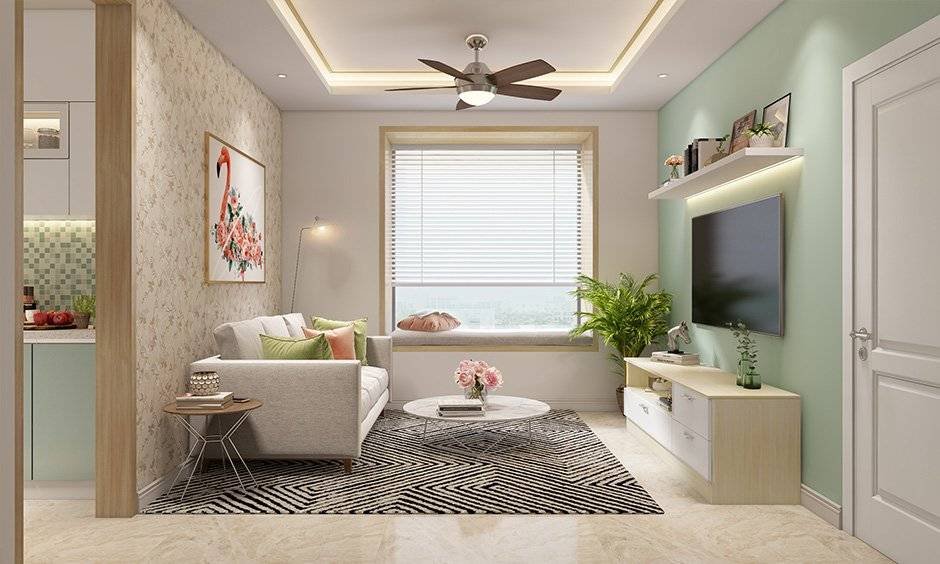
A single overhead fixture rarely provides enough light for a large, open space. Instead, combine multiple sources at different heights and locations. This approach not only boosts visibility but also helps direct movement and define functional zones.
- Pathway Lighting: Use floor-level or wall-mounted lights to mark walkways and transitions between zones. This is especially important for homes with children, seniors, or anyone with mobility challenges.
- Motion Sensors: Installing motion-activated lights in hallways or near entrances can prevent accidents and save energy.
- Dimmers and Smart Controls: Adjustable lighting lets you tailor brightness to different times of day or activities, improving both comfort and safety.

Energy Efficiency and Safety Considerations
Modern lighting solutions can help you save energy while keeping open areas bright and secure. LED bulbs are a top choice, offering long life and low power consumption. For added safety, consider fixtures with shatter-resistant covers and secure mounting, especially in spaces used by children or older adults.
Integrating smart lighting controls can further optimize energy use. Automated schedules, occupancy sensors, and remote controls make it easy to adjust lighting as needed, reducing waste and ensuring lights are on only when necessary.
Common Mistakes to Avoid When Illuminating Open Areas
Even with the best intentions, it’s easy to overlook some key aspects of lighting for open spaces safely. Here are a few pitfalls to watch for:
- Relying on a Single Light Source: This often leaves corners dim and can create harsh shadows.
- Ignoring Glare: Highly reflective surfaces or poorly positioned fixtures can cause discomfort and reduce visibility.
- Overlooking Controls: Without dimmers or smart switches, you may end up with lighting that’s too bright or too dim for certain activities.
- Neglecting Maintenance: Burned-out bulbs or dusty fixtures can quickly reduce the effectiveness of your lighting plan.
Integrating Lighting with Other Safety Features
Lighting is just one part of a comprehensive safety strategy for open environments. Pairing good illumination with other features—such as non-slip flooring, clear walkways, and sturdy support bars—can further reduce risks. For example, if you’re considering upgrades in the bathroom, learning about walk-in tub frame construction types or insurance coverage for walk-in tubs can help you make informed decisions about accessibility and support.
FAQ
What is the best type of lighting for large, open rooms?
The most effective approach is to use a combination of ambient, task, and accent lighting. Recessed lights provide broad coverage, while pendant and track fixtures help define zones and highlight specific areas. Layering these types ensures even brightness and flexibility.
How can I make open spaces safer at night?
Motion sensor lights and night lights are excellent for hallways and entryways. These automatically illuminate when movement is detected, reducing the risk of trips and falls. Dimmers and smart controls also allow you to adjust brightness for nighttime safety without disturbing others.
Are LED lights suitable for open-plan areas?
Yes, LED lights are ideal for open spaces. They offer bright, energy-efficient illumination and are available in a range of styles, from recessed to pendant fixtures. LEDs also have a long lifespan and generate less heat, making them a safe and cost-effective choice for large rooms.