

Creating a workout space at home offers flexibility and convenience, but one crucial aspect often overlooked is lighting for home gyms safely. Proper illumination not only enhances motivation and comfort but also plays a vital role in preventing accidents and injuries. Whether you exercise early in the morning, late at night, or during cloudy days, the right lighting setup ensures your fitness area remains functional and secure at all hours.
Many people focus on equipment and layout, but lighting design deserves equal attention. The right fixtures and placement can reduce eye strain, improve visibility, and help you maintain correct posture and form. In this guide, you’ll discover practical strategies to optimize your gym’s lighting for safety, performance, and ambiance.
For those interested in other aspects of home safety and accessibility, you may also want to learn about walk-in shower grab bar weight ratings to ensure your bathroom is as secure as your workout space.
Why Safe Lighting Matters in Home Gyms
The importance of lighting for home gyms safely extends beyond aesthetics. Poor lighting can lead to missteps, improper form, and even serious injuries. Shadows, glare, or dim areas may obscure equipment or create tripping hazards. On the other hand, well-designed lighting helps you see clearly, track your movements, and maintain focus during every exercise.
- Reduces Risk of Accidents: Adequate illumination highlights obstacles and equipment edges, minimizing the chance of falls or bumps.
- Supports Proper Form: Good visibility allows you to monitor your posture and technique, which is essential for safe, effective workouts.
- Improves Motivation: Bright, even lighting can energize the space, making it more inviting and encouraging regular use.
- Adapts to Any Time: With the right setup, you can exercise safely regardless of the time of day or outside weather conditions.
Types of Lighting Suitable for Home Gyms
Selecting the right fixtures is key to achieving both safety and comfort. Here are the most effective lighting types for workout areas:
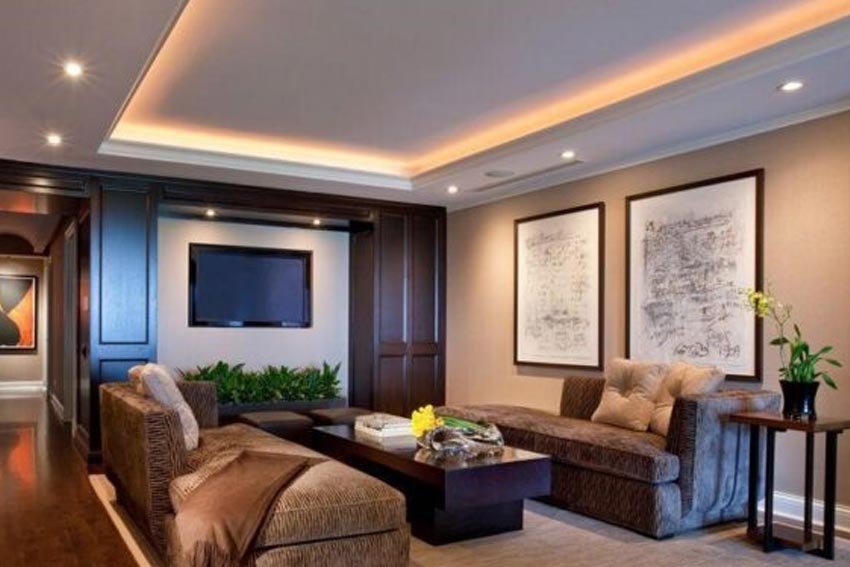
- Ambient Lighting: This is the main source of light, usually provided by ceiling fixtures or recessed lights. It should offer broad, even coverage to eliminate dark corners and shadows.
- Task Lighting: Focused lights, such as adjustable spotlights or LED strips, are ideal for specific workout zones—like weight benches or yoga mats—where extra visibility is needed.
- Accent Lighting: While not essential for safety, accent lights can enhance mood and highlight architectural features, making the space more enjoyable.
- Motion Sensor Lights: These automatically turn on when you enter the gym, ensuring you never have to fumble for a switch in the dark.
For a deeper dive into the various lighting options available for interiors, check out this comprehensive guide to indoor lighting types.
Best Practices for Lighting Placement and Safety
The effectiveness of your lighting setup depends not just on the fixtures you choose, but also on how and where you install them. Here are some practical tips for maximizing safety and visibility:
- Distribute Light Evenly: Avoid creating areas of high contrast by spacing lights to cover the entire room. Overhead fixtures should be positioned to minimize shadows on the floor and equipment.
- Minimize Glare: Use diffusers, frosted bulbs, or indirect lighting to prevent harsh reflections, especially if your gym has mirrors.
- Highlight High-Traffic Zones: Ensure walkways, entrances, and areas around heavy equipment are especially well-lit.
- Consider Adjustable Fixtures: Track lighting or movable lamps allow you to direct light where it’s needed most as your workout routines change.
- Install Motion Sensors: These add convenience and safety, especially for late-night or early-morning sessions.
Choosing Bulbs and Controls for Safety and Comfort
The type of bulb and lighting controls you select can make a significant difference in both safety and energy efficiency. Here’s what to consider:
- LED Bulbs: These are energy-efficient, long-lasting, and available in a range of color temperatures. Choose bulbs with a high Color Rendering Index (CRI) for more accurate color perception.
- Color Temperature: A neutral white (around 4000K) is ideal for most home gyms, as it mimics daylight and keeps you alert without being too harsh.
- Dimmable Options: Dimmers allow you to adjust brightness for different activities, from high-intensity workouts to stretching or cool-downs.
- Smart Controls: Consider smart switches or bulbs that can be controlled via app or voice for added convenience and safety.
Additional Tips for a Safe and Inviting Workout Space
- Keep Fixtures Clean: Dust and dirt can reduce light output, so clean bulbs and covers regularly.
- Check for Flicker: Flickering lights can cause headaches or distraction. Use quality fixtures and bulbs to avoid this issue.
- Plan for Emergency Lighting: Consider battery-powered or backup lights in case of power outages, especially if your gym is in a basement or windowless room.
- Test Lighting at Different Times: Observe your gym’s lighting in the morning, afternoon, and evening to ensure consistent visibility.
If you’re also considering upgrades for other areas of your home, such as improving accessibility in the bathroom, you might find it useful to read about walk-in tub frame construction types for a safer bathing experience.
Frequently Asked Questions
What is the best type of lighting for a home gym to ensure safety?
The most effective approach is to combine ambient lighting (such as LED recessed lights) with task lighting for specific workout zones. This ensures even coverage and reduces shadows. Motion sensor lights add convenience and further enhance safety, especially for early morning or late-night workouts.
How bright should my home gym be?
Aim for a brightness level of 70–100 foot-candles (approximately 700–1,000 lumens per square meter). This level provides clear visibility without causing glare or discomfort. Adjustable fixtures or dimmers can help tailor the brightness to your needs.
Are smart lighting controls worth it for a home gym?
Yes, smart controls allow you to adjust lighting remotely, set schedules, and even automate lights based on your workout routine. They add convenience and can improve safety by ensuring lights are always on when needed.
Conclusion
Investing in lighting for home gyms safely is essential for a secure, comfortable, and motivating workout environment. By choosing the right fixtures, bulbs, and controls—and following best practices for placement—you can create a space that supports your fitness goals at any time of day. Remember to regularly assess your lighting setup and make adjustments as your routines or needs change, ensuring your home gym remains both safe and enjoyable for years to come.