
Safe and accessible housing is essential for older adults, but many face challenges when it comes to making necessary repairs or upgrades. For those on a limited budget, the process of organizing and funding home improvements can feel overwhelming. This guide provides practical steps and resources to help seniors with modest incomes plan and carry out essential updates, ensuring their homes remain comfortable, secure, and suited to their needs.
Whether you’re a senior looking to adapt your living space or a caregiver supporting a loved one, understanding the available options and strategies can make a significant difference. From identifying priority repairs to finding financial assistance, thoughtful preparation can help stretch every dollar further.

Before diving into specific steps, it’s helpful to explore related resources. For example, if you’re interested in making your home safer on a budget, the DIY home safety improvements for seniors guide offers practical tips that complement the planning process described here.
Assessing Home Needs and Setting Priorities
The first step in any improvement project is to evaluate the current condition of the home. For those with limited funds, it’s crucial to focus on repairs and upgrades that directly impact safety, accessibility, and energy efficiency. Start by walking through each room and making a list of issues such as:
- Leaky roofs or windows
- Broken steps or handrails
- Insufficient lighting
- Slippery floors or loose carpets
- Outdated electrical wiring
- Bathrooms lacking grab bars or walk-in tubs
Once you have a list, rank each item by urgency. Addressing hazards that could cause falls or injuries should come first, followed by improvements that can reduce utility bills or make daily living easier. If you’re unsure where to begin, consider scheduling a home safety assessment. Some local agencies and nonprofits offer free or low-cost evaluations for older adults.
Budget-Friendly Solutions for Essential Repairs
Making improvements on a fixed income requires creativity and careful planning. Here are some strategies for stretching your budget:
- Do-It-Yourself Projects: Simple fixes like installing nightlights, securing rugs, or adding non-slip mats can often be done with minimal expense. For more ideas, check out the DIY home safety improvements for seniors resource.
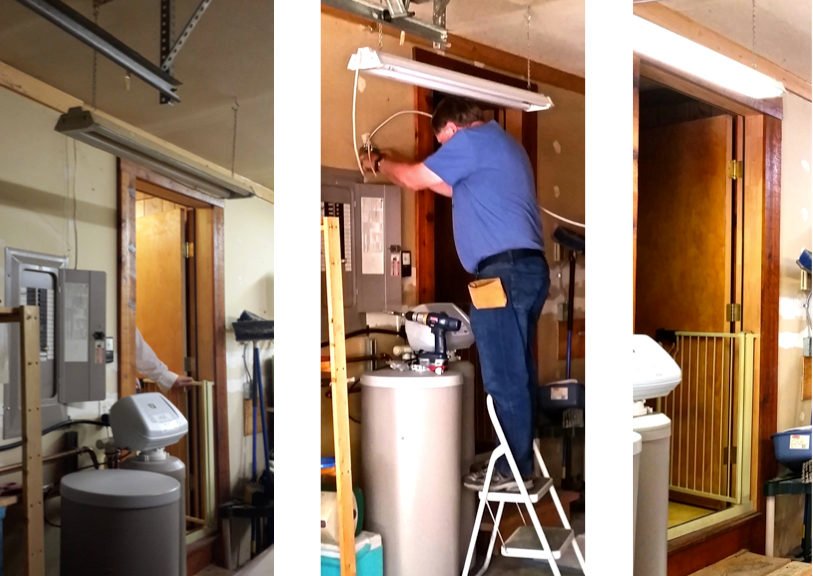
- Seek Volunteer Help: Many communities have organizations that connect volunteers with seniors needing minor repairs. Local churches, neighborhood groups, or area agencies on aging may provide assistance at little or no cost.
- Shop Smart: Look for discounts at hardware stores, especially those offering senior days or loyalty programs. Consider gently used materials from Habitat for Humanity ReStores or similar outlets.
- Focus on High-Impact Upgrades: Prioritize projects that improve safety and reduce ongoing expenses, such as weather-stripping doors, adding insulation, or upgrading to LED lighting.
Finding Financial Assistance and Support Programs
Many seniors are unaware of the variety of programs available to help with home repairs and modifications. These resources can make a significant difference when planning improvements:
- Government Grants and Loans: Federal, state, and local agencies often provide funding for essential repairs. For example, the USDA’s Section 504 Home Repair program offers grants and low-interest loans to very low-income homeowners aged 62 and older.
- Nonprofit Organizations: Groups like Rebuilding Together and Habitat for Humanity may offer free or reduced-cost repairs for qualifying seniors.
- Utility Company Programs: Some energy providers offer weatherization services or rebates for efficiency upgrades. Learn more about utility bill assistance programs for seniors to help lower monthly costs.
- Tax Credits: Certain improvements may qualify for deductions or credits. For more details, review the home improvement tax credits for elderly overview.
- Community Resources: Local agencies on aging and senior centers can connect you with additional support and information about available funding.
For a comprehensive look at government and community programs that can help, visit this guide to senior home repair assistance.
Adapting Homes for Accessibility and Aging in Place
As mobility and health needs change, adapting the living environment becomes increasingly important. Home improvement planning for older adults with limited means should include modifications that support independence and safety, such as:
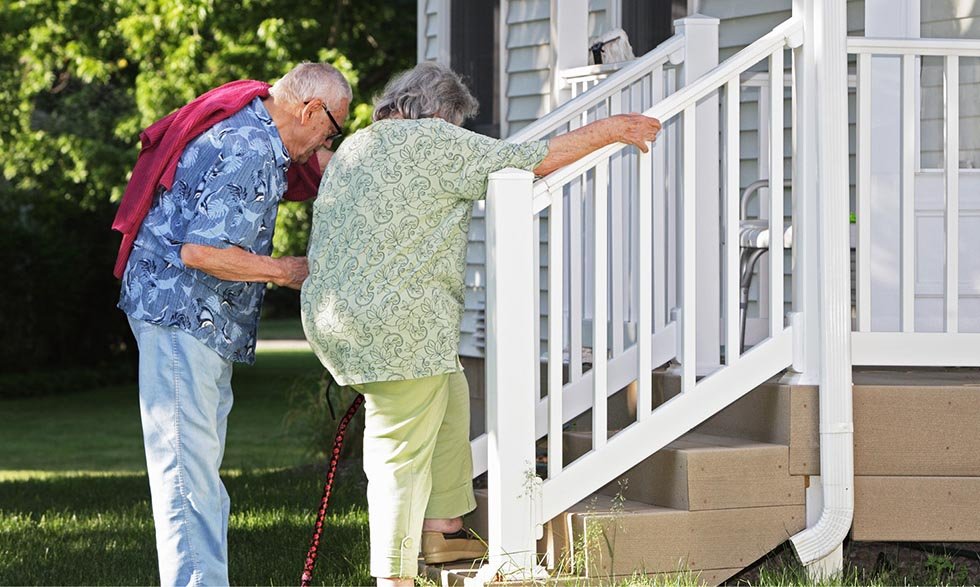
- Installing grab bars in bathrooms and near stairs
- Replacing bathtubs with walk-in showers or tubs (walk in tub assistance programs may help cover costs)
- Widening doorways for wheelchair access
- Adding ramps or stair lifts
- Lowering countertops and cabinets for easier reach
- Improving lighting and reducing glare
Many of these changes can be made incrementally, focusing on the most urgent needs first. Even small updates, like lever-style door handles or handheld showerheads, can make daily routines safer and more comfortable.
Maximizing Comfort and Efficiency on a Limited Budget
Beyond safety and accessibility, comfort and energy efficiency are important for well-being and financial stability. Seniors with modest resources can take several steps to make their homes more livable and affordable:
- Seal gaps around doors and windows to prevent drafts
- Add insulation in attics or crawl spaces
- Switch to programmable thermostats
- Replace old appliances with energy-efficient models (look for rebates or assistance programs)
- Use heavy curtains to help regulate indoor temperatures
For more information on reducing energy costs, the energy assistance programs for elderly guide is a valuable resource.
Planning Ahead and Staying Organized
Successful home improvement planning for low income seniors relies on staying organized and proactive. Here are some final tips to help manage the process:
- Keep all paperwork, receipts, and contact information in one place
- Create a simple timeline for each project, noting deadlines for applications or funding
- Ask trusted friends or family to help review contracts or estimates
- Regularly reassess needs as circumstances change
- Don’t hesitate to reach out to local agencies or nonprofits for guidance
Frequently Asked Questions
What are the most important home improvements for seniors on a tight budget?
Focus on repairs and upgrades that address safety hazards, such as fixing broken steps, installing grab bars, improving lighting, and eliminating tripping risks. Energy efficiency improvements, like weather-stripping and insulation, can also help reduce monthly expenses.
How can seniors find financial help for home repairs?
There are several options, including government grants and loans, nonprofit organizations, utility company programs, and tax credits. Local agencies on aging and senior centers are good starting points for information and referrals.
Are there resources for making homes more accessible for aging in place?
Yes, many programs support modifications like installing ramps, widening doorways, or adding walk-in tubs. Some nonprofits and government initiatives specifically target accessibility improvements for older adults with limited incomes.