
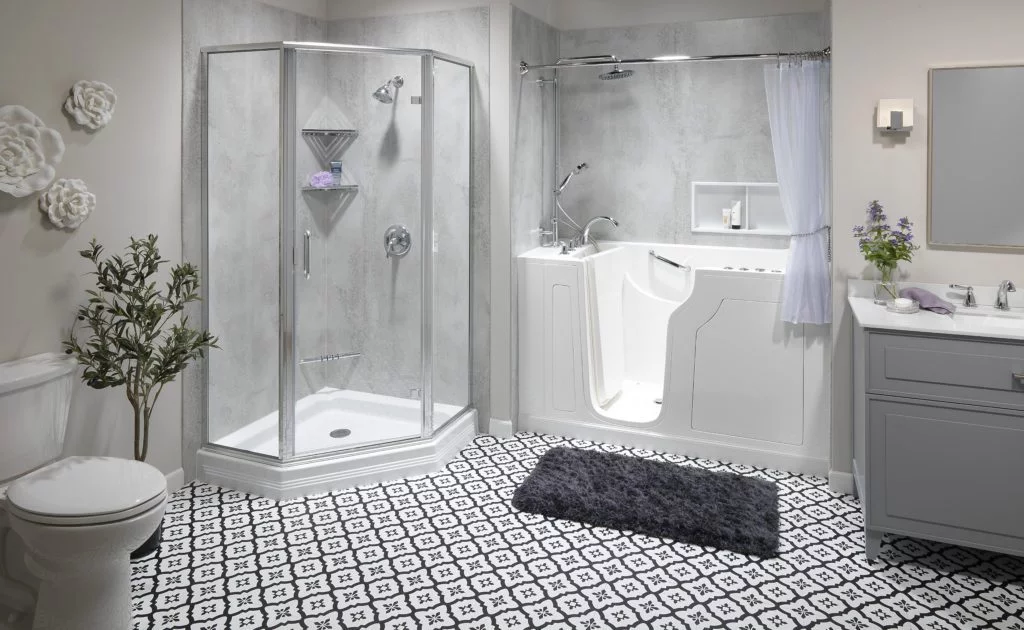
Designing an accessible bathroom is essential for ensuring safety, comfort, and independence, especially for seniors and individuals with mobility challenges. One of the most important features in a modern accessible shower is the handheld sprayer. Proper walk-in shower handheld sprayer placement can make a significant difference in usability and safety, allowing users to shower comfortably whether standing or seated. This article explores best practices, ADA guidelines, and practical tips for positioning handheld sprayers in walk-in showers to maximize accessibility and convenience.
Alongside sprayer placement, other elements such as grab bars, seating, and waterproofing methods play a crucial role in creating a safe shower environment. For more details on ensuring secure support in your bathroom, see walk-in shower grab bar weight ratings.
Why Handheld Sprayer Position Matters in Accessible Showers
Handheld sprayers offer flexibility and control, making them a preferred choice for accessible showers. The correct placement ensures that users can easily reach and operate the sprayer, whether they are standing, sitting on a shower bench, or using a wheelchair. Poor positioning can lead to discomfort, increased risk of slips, and limited independence.
When planning your shower, it’s important to consider the needs of all potential users. This includes thinking about reach range, ease of docking and undocking the sprayer, and minimizing the need for stretching or twisting. Proper placement also helps keep water directed where it’s needed, reducing the risk of water escaping the shower area and causing slippery floors.
ADA Guidelines and Industry Recommendations
The Americans with Disabilities Act (ADA) provides clear recommendations for accessible shower design, including the location of shower controls and handheld sprayers. According to ADA standards:
- The shower spray unit should be usable both as a fixed showerhead and as a handheld sprayer with a flexible hose at least 59 inches long.
- The unit should be mounted so that it can be operated from a seated position, typically between 38 and 48 inches above the finished floor.
- Controls should be easily reachable from the seat and should not require tight grasping, pinching, or twisting of the wrist.
Following these guidelines helps ensure that the shower is safe and comfortable for users with varying abilities. For more comprehensive advice on accessible shower design, the walk-in showers for seniors guide offers additional insights.
Best Practices for Walk-In Shower Handheld Sprayer Placement
To achieve optimal accessibility, consider these best practices when installing a handheld sprayer in a walk-in shower:
- Mount Height: Position the docking bracket or slide bar between 38 and 48 inches from the floor. This range accommodates both seated and standing users.
- Reachability: Ensure the sprayer and controls are within easy reach from any installed shower seat or bench. Avoid placing them behind or above the seat, which can force users to twist or stretch.
- Flexible Hose Length: Use a hose that is at least 59 inches long, allowing users to direct water where needed without restriction.
- Slide Bar Installation: Installing the sprayer on a vertical slide bar allows users to adjust the height as needed, making the shower more versatile for households with multiple users.
- Docking Location: Place the docking bracket on the wall adjacent to the shower seat, not directly above it. This makes it easier for seated users to access the sprayer without water spraying directly onto their lap or face.
Integrating Handheld Sprayers with Other Accessibility Features
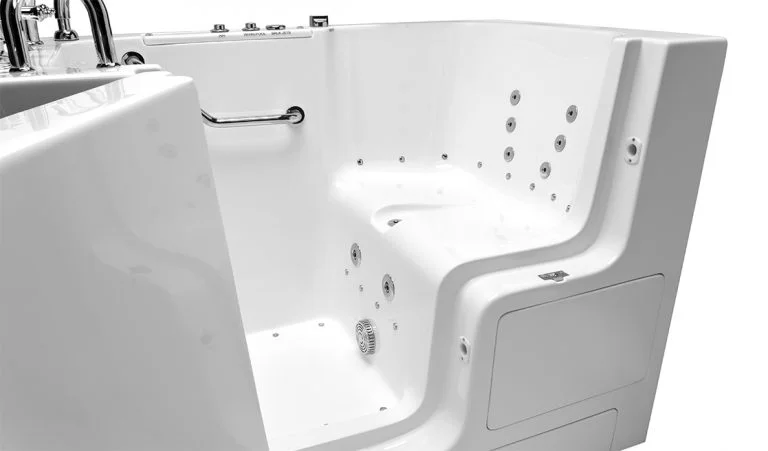
Handheld sprayers work best when combined with other accessible shower features. Pairing a well-placed sprayer with sturdy grab bars, a slip-resistant floor, and a comfortable shower seat creates a safer and more user-friendly environment. For guidance on keeping your shower dry and protected, see walk-in shower waterproofing methods.
Consider the following integration tips:
- Grab Bars: Install grab bars near the sprayer and seat to provide support when reaching for or adjusting the sprayer.
- Shower Seat: Ensure the seat is securely mounted and positioned so that the sprayer can be used comfortably from a seated position.
- Controls: Place water controls within arm’s reach of the seat and sprayer, allowing users to adjust temperature and flow without standing.
Common Mistakes to Avoid in Sprayer Placement
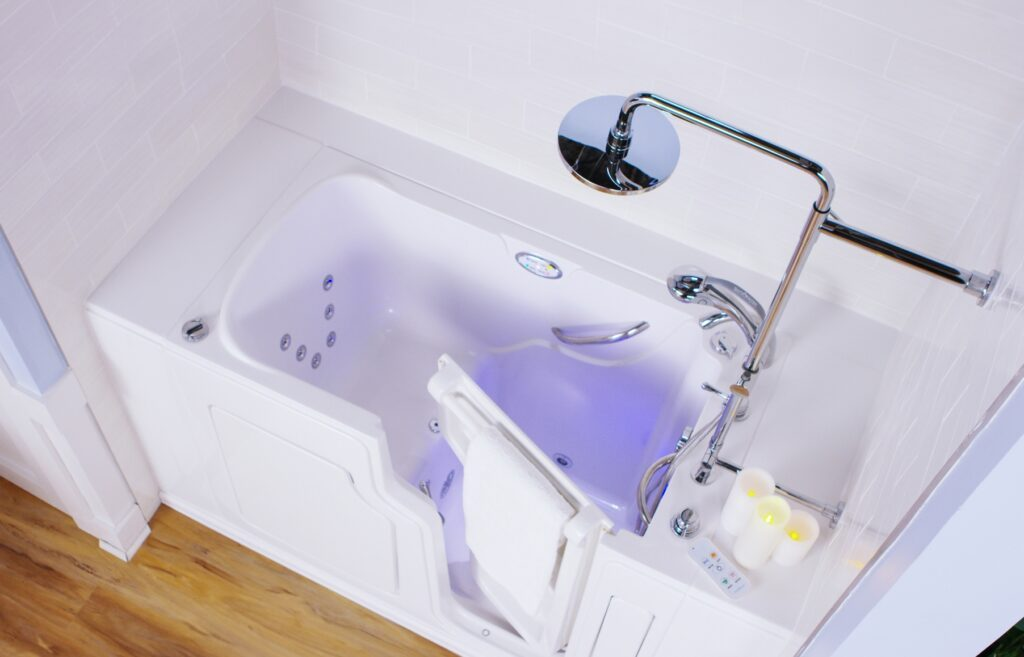
Even with the best intentions, some common errors can reduce the effectiveness of a handheld sprayer in an accessible shower:
- Mounting Too High or Low: Placing the sprayer outside the recommended height range can make it difficult for seated users to reach.
- Awkward Docking Locations: Installing the bracket behind the seat or in a corner may force users to twist or reach uncomfortably.
- Short Hose: Using a hose that’s too short limits flexibility and may not reach all areas of the body or the shower floor.
- Ignoring User Needs: Failing to consult with the primary user about their preferences and abilities can result in a setup that is not truly accessible.
Taking the time to plan and consult with users or professionals can help avoid these pitfalls and ensure a safer, more comfortable shower experience.
Maintenance and Safety Tips for Accessible Showers
Once your handheld sprayer is installed, regular maintenance is key to ensuring long-term safety and functionality:
- Check for Leaks: Inspect hose connections and the sprayer head regularly for leaks or drips.
- Clean Nozzles: Remove mineral buildup from the sprayer head to maintain even water flow.
- Secure Docking: Make sure the docking bracket or slide bar remains firmly attached to the wall.
- Test Accessibility: Periodically test the reach and operation of the sprayer from both seated and standing positions.
For families and caregivers, understanding the safety benefits of walk-in tubs for caregivers can further enhance the overall bathroom safety plan.
FAQ: Walk-In Shower Handheld Sprayer Accessibility
What is the ideal height for installing a handheld shower sprayer in a walk-in shower?
The recommended height for mounting a handheld sprayer is between 38 and 48 inches above the finished floor. This range allows both seated and standing users to access the sprayer comfortably.
Can a handheld sprayer be installed on a slide bar for adjustable height?
Yes, using a vertical slide bar is a great way to make the sprayer height adjustable. This setup accommodates users of different heights and preferences, making the shower more versatile and accessible.
How long should the hose be for maximum accessibility?
The ADA recommends a hose length of at least 59 inches. This length provides enough flexibility for users to direct water where needed, whether seated or standing, and helps reach all areas of the shower.
Should the sprayer be placed near the shower seat?
Yes, the sprayer should be within easy reach of the shower seat but not directly above it. Placing it adjacent to the seat allows seated users to access the sprayer comfortably without water spraying directly onto their lap or face.
Conclusion
Thoughtful walk-in shower handheld sprayer placement is a key factor in creating an accessible, safe, and comfortable bathroom. By following ADA guidelines, considering user needs, and integrating the sprayer with other accessibility features, you can design a shower that promotes independence and reduces risks. Regular maintenance and attention to detail will ensure that your accessible shower remains functional for years to come. For those interested in the technical aspects of walk-in tub construction, explore walk-in tub frame construction types for more information.