
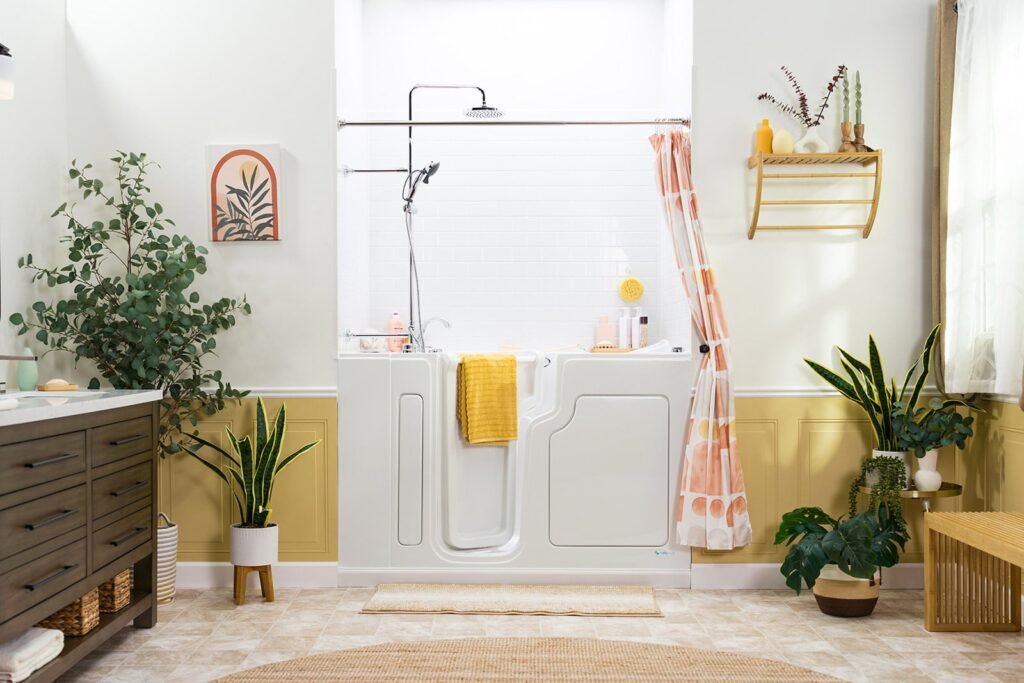
Designing a bathroom that is both accessible and visually appealing is a priority for many homeowners today. As mobility needs change, features like walk-in showers become essential for ensuring safety and comfort. At the same time, modern design trends emphasize clean lines, open spaces, and stylish finishes. This guide explores practical and attractive walk-in shower design ideas for mobility, helping you create a space that is safe, functional, and contemporary.
Whether you are planning a bathroom remodel for aging in place, accommodating a loved one with limited mobility, or simply seeking a more user-friendly shower experience, there are many ways to blend accessibility with modern aesthetics. From thoughtful layouts to the latest fixtures, the right choices can transform your bathroom into a welcoming retreat.
For those considering additional safety features, understanding walk-in shower grab bar weight ratings can help ensure proper support and peace of mind during daily use.
Key Elements of Accessible Shower Design
When planning a shower for enhanced mobility, several core elements should be prioritized. These features not only improve safety but also contribute to a sleek, modern look:
- Low or Zero-Threshold Entry: A curbless shower eliminates barriers, making it easy to step or roll in. This seamless transition is both practical and visually striking.
- Non-Slip Flooring: Textured tiles or slip-resistant vinyl reduce the risk of falls while complementing contemporary design schemes.
- Strategic Grab Bars: Well-placed support bars provide stability without detracting from the room’s style. Modern finishes like matte black or brushed nickel can coordinate with other fixtures.
- Handheld Showerheads: Adjustable, easy-to-reach showerheads offer flexibility for users of all abilities and add a touch of luxury.
- Shower Seating: Built-in benches or fold-down seats enhance comfort and accessibility, especially for those who need to sit while bathing.
Combining these features creates a shower that is safe, convenient, and visually appealing for everyone in the household.
Modern Aesthetics Meet Functionality
Today’s accessible showers are designed to blend seamlessly with modern interiors. Here are some ideas for achieving a contemporary look while prioritizing mobility:
- Glass Enclosures: Frameless or semi-frameless glass panels keep the space open and bright, making the bathroom feel larger and more inviting.
- Large-Format Tiles: Oversized tiles minimize grout lines, creating a clean, streamlined appearance that is also easier to maintain.
- Neutral Color Palettes: Soft grays, whites, and earth tones provide a timeless backdrop that works well with accessible features.
- Integrated Storage: Recessed shelves or niches keep toiletries within reach without cluttering the shower area.
By focusing on these details, you can achieve a balance between accessibility and modern style, ensuring your bathroom remains both practical and beautiful.
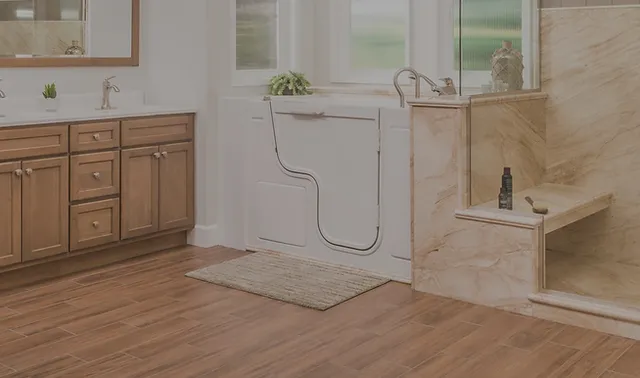
Innovative Features for Enhanced Mobility
Incorporating the latest advancements can further improve the usability and comfort of your shower. Consider these innovative options:
- Digital Controls: Touch panels or remote controls allow users to adjust water temperature and flow with ease, reducing the need for manual dexterity.
- Thermostatic Valves: These valves maintain a consistent water temperature, preventing sudden changes that could be uncomfortable or unsafe.
- Lighting Solutions: LED strip lighting or motion-activated fixtures improve visibility, especially for those with limited vision or nighttime needs.
- Accessible Storage: Lowered shelves and easy-pull drawers keep essentials within reach for everyone.
These upgrades not only support mobility but also contribute to a high-end, spa-like atmosphere in your bathroom.
Choosing the Right Materials and Fixtures
Material selection plays a crucial role in both safety and style. Here are some recommendations for accessible showers:
- Porcelain or Ceramic Tile: Durable and available in slip-resistant finishes, these tiles are ideal for wet areas.
- Solid Surface Panels: Seamless panels reduce maintenance and offer a modern, uniform look.
- Stainless Steel or Aluminum Fixtures: These materials resist corrosion and are easy to clean, making them perfect for grab bars and showerheads.
For more information on construction options, you may want to explore walk-in tub frame construction types to understand the benefits of steel versus aluminum frames.
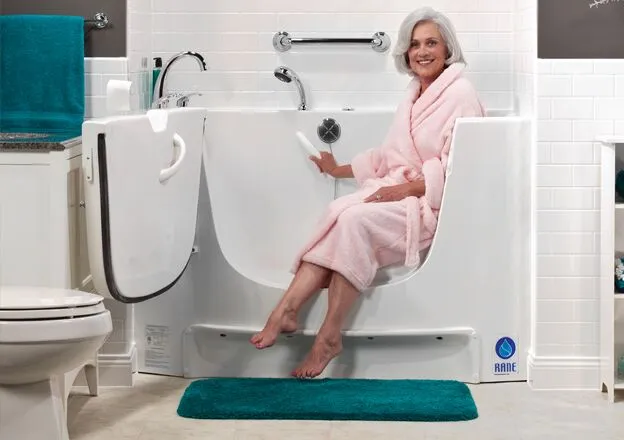
Combining Safety and Modern Style: Practical Tips
To successfully merge accessibility with contemporary design, keep these practical tips in mind:
- Plan for Adequate Space: Ensure the shower area is large enough for easy movement, especially if a wheelchair or walker will be used.
- Opt for Minimalist Hardware: Choose simple, streamlined fixtures that blend with the overall design while providing necessary support.
- Use Contrasting Colors: Subtle contrasts between flooring, walls, and fixtures can help users with low vision navigate the space more easily.
- Keep Maintenance in Mind: Select materials and finishes that are easy to clean and resistant to mold and mildew.
By focusing on these details, you can create a bathroom that is both safe and stylish for years to come.
Additional Resources and Considerations
When planning your project, it’s helpful to research warranty coverage and insurance options for accessible bathroom products. For example, understanding are walk-in tubs covered by insurance can help you make informed decisions about your investment. Additionally, reviewing walk-in tub warranty terms ensures you know what to expect in terms of product support and coverage.
For those interested in the latest trends and expert advice, this article on the benefits of walk-in tubs for seniors offers valuable insights into why these features are becoming must-haves in modern homes.
Frequently Asked Questions
What are the most important safety features in a walk-in shower?
The most critical safety features include a low or zero-threshold entry, non-slip flooring, sturdy grab bars, and a built-in or fold-down seat. These elements help reduce the risk of slips and falls while making the shower accessible for users with varying mobility levels.
Can a walk-in shower look modern and still be accessible?
Absolutely. Many modern design elements—such as frameless glass, large tiles, and minimalist hardware—work well with accessibility features. The key is to choose fixtures and finishes that are both functional and visually appealing, ensuring the space feels open and contemporary.
How do I choose the right grab bars for my shower?
Look for grab bars that are rated to support adequate weight and are installed at the correct height for the user. Consider finishes that match your other fixtures for a cohesive look. For more guidance, refer to resources on walk-in shower grab bar weight ratings.
Are walk-in showers suitable for small bathrooms?
Yes, walk-in showers can be designed to fit a variety of spaces. Curbless entries and glass enclosures help open up the room, making even compact bathrooms feel larger and more accessible.
By integrating thoughtful design elements and the latest in accessible technology, you can create a bathroom that supports mobility needs while reflecting your personal style. With careful planning and the right features, your walk-in shower can be both a safe haven and a modern showpiece.