Many older adults wish to remain in their homes as they age, but necessary repairs or accessibility upgrades can be costly. Fortunately, there are a variety of financial assistance programs designed to help seniors make essential home improvements. Understanding how to apply for senior home improvement grants can make a significant difference in safety, comfort, and independence.
This guide explains the types of grants available, eligibility requirements, and the application process. Whether you need to install grab bars, replace a roof, or make your bathroom safer, learning about these resources can help you access the support you need.

For those considering bathroom upgrades, understanding the walk-in shower grab bar weight ratings can be helpful when planning safe and effective modifications.
Types of Home Improvement Grants for Seniors
There are several grant programs specifically aimed at helping older adults maintain or modify their homes. These programs are typically offered by federal, state, and local government agencies, as well as nonprofit organizations. Here are some of the most common options:
- USDA Section 504 Home Repair Program: Also known as the Rural Housing Repair Loans and Grants program, this federal initiative provides grants to very low-income homeowners aged 62 and older to remove health and safety hazards.
- HUD’s Community Development Block Grant (CDBG): Many local governments use CDBG funds to support home repair for low-income seniors.
- State and Local Programs: Many states and municipalities offer their own grant or low-interest loan programs for elderly homeowners.
- Nonprofit Assistance: Organizations like Rebuilding Together and Habitat for Humanity often provide free or reduced-cost repairs for qualifying seniors.
For a detailed overview of government and community programs, you can refer to this guide to senior home repair assistance.
Eligibility Criteria for Senior Home Repair Grants
Before starting the application process, it’s important to review the eligibility requirements for each grant. While criteria vary by program, some common factors include:
- Age: Most programs require applicants to be at least 62 years old.
- Income: Many grants are limited to low- or very low-income households, often based on federal poverty guidelines.
- Homeownership: Applicants must typically own and occupy the home as their primary residence.
- Location: Some grants, such as those from the USDA, are only available in designated rural areas.
- Type of Repairs: Funding is usually restricted to health, safety, or accessibility improvements.
It’s important to gather documentation such as proof of income, age, and homeownership before applying. This will help streamline the process and improve your chances of approval.
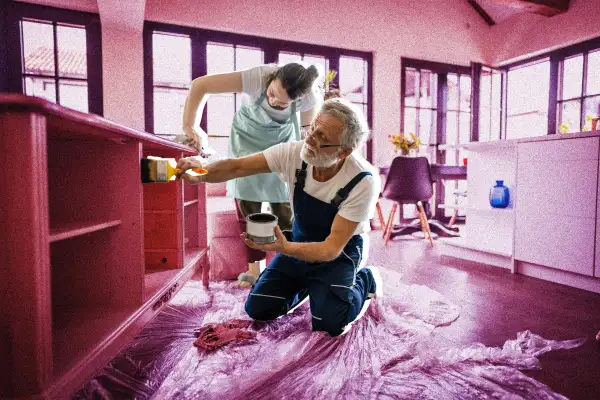
Steps to Apply for Grants for Home Upgrades
Navigating the application process for home improvement grants for seniors can feel overwhelming, but breaking it down into clear steps can help. Here’s how to get started:
- Identify Available Programs: Research federal, state, and local options. Start with the USDA, HUD, and your local housing authority. Nonprofits in your area may also offer assistance.
- Check Eligibility: Review the requirements for each program and confirm that you meet the age, income, and residency criteria.
- Gather Documentation: Collect proof of income, identification, property ownership, and estimates for the repairs or modifications you need.
- Complete the Application: Fill out the required forms, either online or by mail. Some programs may require an in-person interview or home inspection.
- Submit Supporting Materials: Attach all necessary documents, such as tax returns, proof of age, and contractor estimates.
- Follow Up: After submission, check on your application status and respond promptly to any requests for additional information.
If you’re planning a bathroom remodel, you might also want to learn about walk-in tub frame construction types to ensure your upgrades are both safe and durable.
Common Home Modifications Covered by Grants
Most grant programs focus on repairs and upgrades that improve safety, accessibility, and health. Typical projects that may be funded include:
- Installing ramps, grab bars, or handrails
- Widening doorways for wheelchair access
- Upgrading bathrooms with walk-in tubs or showers
- Repairing roofs, windows, or heating systems
- Eliminating hazards such as mold or faulty wiring
When considering accessibility upgrades, understanding are walk-in tubs covered by insurance can help you plan your project and budget more effectively.

Tips for a Successful Grant Application
To improve your chances of receiving funding, keep these suggestions in mind:
- Apply Early: Many programs have limited funds and operate on a first-come, first-served basis.
- Be Thorough: Double-check that your application is complete and all required documents are included.
- Get Estimates: Obtain written quotes from licensed contractors for the work you need.
- Seek Assistance: Local agencies and nonprofits can often help you navigate the process or even complete applications on your behalf.
- Stay Organized: Keep copies of all paperwork and track deadlines.
If you’re upgrading your bathroom, you might also want to review understanding walk-in tub warranty terms to protect your investment.
Frequently Asked Questions
What types of repairs are usually covered by senior home improvement grants?
Most grants focus on essential repairs that address health, safety, or accessibility. This includes installing ramps, grab bars, or walk-in tubs, repairing roofs or heating systems, and removing hazards like mold or faulty wiring.
Can renters qualify for home improvement grants for seniors?
Generally, these grants are limited to homeowners who occupy the property as their primary residence. However, some local programs may offer assistance to renters with landlord approval for accessibility modifications.
How long does it take to receive funding after applying?
The timeline varies by program. Some grants may be processed within a few weeks, while others can take several months, especially if there is a waitlist or additional documentation required.
Are there income limits for these grants?
Yes, most programs have income restrictions based on federal or local guidelines. It’s important to review the specific requirements for each grant before applying.
Conclusion
Navigating how to apply for senior home improvement grants can open doors to safer, more comfortable living for older adults. By researching available programs, gathering the right documentation, and following the application steps, seniors can access valuable resources for home repairs and modifications. For additional guidance, consult local agencies or nonprofits, and remember to explore related topics such as walk-in tub faucet types and flow rates to make informed decisions about your home upgrades.