

Maintaining independence and safety in the bathroom is a top priority for many older adults and their families. The shower, in particular, can be a hazardous area due to slippery surfaces and limited mobility. By following practical advice and making a few key adjustments, seniors can significantly reduce the risk of falls and enjoy greater confidence during daily routines. This article offers a comprehensive overview of safe showering tips for seniors, highlighting essential strategies, products, and resources to help prevent slips and injuries.
Before diving into specific recommendations, it’s important to recognize that bathroom safety is a cornerstone of aging in place. For those interested in a broader approach to home modifications, the aging in place home improvement checklist provides a valuable resource for creating a safer living environment throughout the house.
Why Shower Safety Matters for Older Adults
Statistics show that the bathroom is one of the most common places for falls among seniors. Wet floors, soap residue, and limited balance can all contribute to accidents. According to the CDC, one in four Americans aged 65+ falls each year, and many of these incidents happen in the bathroom. Taking proactive steps to enhance shower safety can help seniors maintain their independence and avoid serious injuries such as fractures or head trauma.
Essential Safe Showering Tips for Seniors
Implementing a few straightforward changes can make a significant difference in reducing fall risks. Here are some of the most effective strategies for creating a safer shower environment:
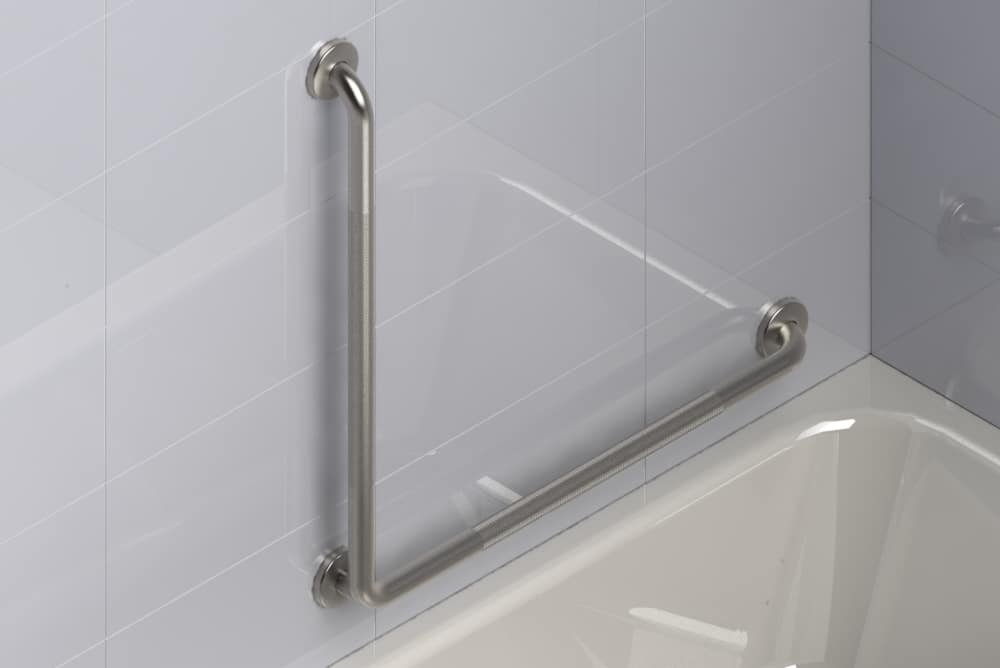
- Install Grab Bars: Securely mounted grab bars provide stability when entering, exiting, or moving within the shower. They are especially helpful for those with limited strength or balance.
- Use Non-Slip Mats: Place non-slip mats or adhesive strips on the shower floor and just outside the shower to minimize the chance of slipping on wet surfaces.
- Opt for a Shower Chair or Bench: Sitting while showering reduces fatigue and the risk of losing balance. Choose a sturdy, waterproof seat designed for bathroom use.
- Keep Essentials Within Reach: Store soap, shampoo, and towels on accessible shelves or caddies to avoid unnecessary stretching or bending.
- Improve Lighting: Bright, glare-free lighting helps seniors see potential hazards and navigate the bathroom more easily.
- Adjust Water Temperature: Set the water heater to a safe temperature (below 120°F/49°C) to prevent burns or sudden temperature changes that could cause dizziness.

Choosing and Installing Grab Bars for Maximum Stability
Grab bars are among the most effective tools for preventing slips in the shower. When selecting grab bars, look for models that are specifically designed for bathroom use and can support at least 250 pounds. Stainless steel or textured finishes offer a secure grip, even when wet. Installation should be done using wall studs or with appropriate anchors to ensure the bars remain firmly in place.
For more in-depth information about the importance of grab bars and how they contribute to bathroom safety, consider reading this detailed guide on why grab bars are a must-have in every bathroom.
Additional Products That Enhance Shower Safety
Beyond grab bars, several other products can help create a safer showering experience for older adults:
- Handheld Shower Heads: These allow users to direct water flow where needed, making it easier to wash while seated and reducing the need to move around.
- Raised Toilet Seats and Safety Rails: These additions make it easier to sit and stand, reducing strain and the risk of falls near the shower area.
- Anti-Scald Devices: These can be installed to prevent sudden changes in water temperature, which is especially important for those with reduced sensitivity.
For those looking to make more comprehensive changes, exploring bathroom safety features every senior should consider can provide further inspiration and guidance.
Daily Habits That Support Safe Showering
In addition to physical modifications, certain routines can further reduce the risk of slips and falls:
- Keep the Shower Area Clutter-Free: Remove unused bottles and items that could become tripping hazards.
- Dry Floors Immediately: Use absorbent bath mats and promptly wipe up any water that escapes the shower.
- Wear Non-Slip Footwear: Shower shoes or slippers with grippy soles provide added traction on wet surfaces.
- Shower When Help Is Nearby: If possible, schedule showers when a family member or caregiver is available to assist if needed.
Integrating Safe Showering Practices into Bathroom Design
For those planning renovations or new installations, incorporating safety features from the outset can make a lasting impact. Consider walk-in showers with low or no thresholds, lever-style faucets for easier operation, and built-in seating. Exploring bathroom accessibility upgrades that make a difference can help identify design ideas that blend safety with comfort and style.
Resources for Ongoing Bathroom Safety
Staying informed about the latest products and best practices is key to maintaining a safe bathroom environment. Home improvement professionals, occupational therapists, and reputable online guides can provide tailored advice. For inspiration, review accessible bathroom design inspiration to see how others have successfully enhanced their spaces for safety and accessibility.
FAQ: Common Questions About Shower Safety for Seniors
What are the most important features to look for in a shower chair?
Choose a chair with non-slip feet, sturdy construction, and adjustable height. A backrest and armrests can provide additional support. Make sure the chair fits comfortably inside the shower and is easy to clean.
How often should grab bars and safety equipment be checked for stability?
It’s wise to inspect grab bars, shower seats, and other safety devices at least once a month. Check for looseness, rust, or signs of wear, and tighten or replace hardware as needed to maintain security.
Can I install grab bars myself, or should I hire a professional?
While some grab bars are designed for easy installation, it’s generally best to have them professionally mounted to ensure they are anchored securely into wall studs. This provides maximum support and reduces the risk of failure during use.
Are there other ways to improve bathroom safety beyond the shower?
Yes. Consider adding night lights, securing rugs, and installing raised toilet seats or safety rails. For a comprehensive approach, review the bathroom safety solutions for multigenerational homes to address the needs of all household members.
By following these safe showering tips for seniors and making thoughtful adjustments, older adults can enjoy greater peace of mind and maintain their independence in the bathroom for years to come.