
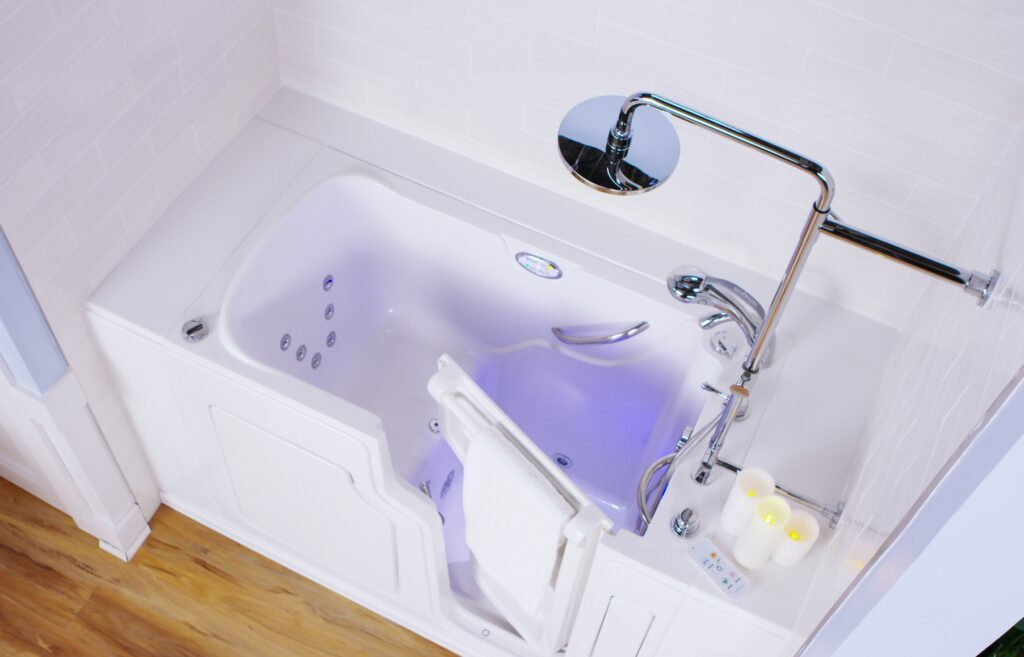
For anyone seeking a safer and more accessible bathing solution, walk-in tub door latch mechanisms are a critical feature that ensures both security and convenience. These specialized latching systems are designed to prevent leaks, support easy operation for users with limited mobility, and provide peace of mind during every bath. Understanding how these mechanisms work, their safety benefits, and what to look for can help you make an informed decision when choosing a walk-in tub for yourself or a loved one.
In this article, we’ll break down the different types of latching systems, highlight their importance for user safety, and offer practical advice for selecting and maintaining a walk-in tub. If you’re also interested in related topics, such as how to sanitize a walk-in shower, you’ll find helpful resources linked throughout this guide.
Understanding the Role of Door Latch Systems in Walk-In Tubs
The primary function of a walk-in tub’s door latch is to create a watertight seal and prevent accidental opening while the tub is filled. Unlike traditional bathtubs, walk-in models feature a door that must remain securely closed under water pressure. The latching mechanism is engineered to withstand this pressure and is often reinforced with additional locking points for extra security.
Most modern walk-in tubs use either a lever-style or rotary latch, both of which are designed for ease of use and reliability. Lever latches are typically operated with a single hand, making them ideal for users with arthritis or limited dexterity. Rotary latches, on the other hand, use a turning motion to lock and unlock the door, providing a smooth and secure closure.
Types of Walk-In Tub Door Latch Mechanisms
There are several different latching systems available, each with its own advantages. Here’s a closer look at the most common types:
- Single-Point Lever Latch: This simple mechanism uses a single handle to engage the lock. It’s easy to operate and often found on entry-level walk-in tubs.
- Multi-Point Locking System: For added safety, some tubs feature multiple locking points along the door’s edge. This design distributes pressure evenly and enhances the seal, reducing the risk of leaks.
- Rotary or Cam Latch: These mechanisms use a rotating handle that moves a cam or bolt into place, providing a tight and secure closure. They’re known for their durability and ease of operation.
- Automatic Latching: Some high-end models offer automatic latching systems that engage as soon as the door is closed, requiring minimal effort from the user.
Safety Benefits of Reliable Latching Systems
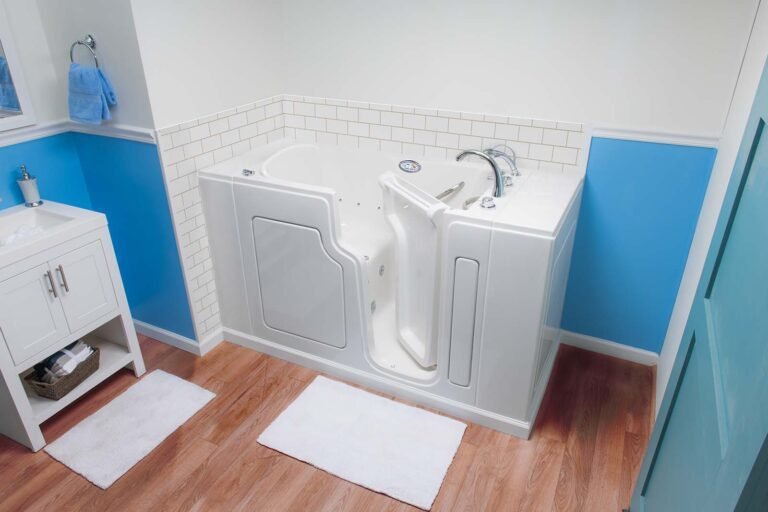
Robust door latch mechanisms for walk-in tubs are essential for user safety. A secure latch prevents accidental door openings, which could lead to water spills and potential slips or falls. Additionally, a well-designed latch ensures the tub remains watertight, protecting floors and reducing the risk of water damage in the bathroom.
For seniors and individuals with mobility challenges, the ability to operate the latch easily is just as important as its strength. Many manufacturers design their latches with large, ergonomic handles and smooth-action levers to accommodate users with reduced hand strength.
If you’re considering other safety upgrades, such as proper grab bar placement, the safety grab bar placement guide offers valuable tips for creating a secure bathing environment.
Ease of Use: Accessibility and User Experience
One of the main advantages of modern walk-in tubs is their focus on accessibility. The best latching systems are designed so that users can open and close the door with minimal effort, even when seated or using mobility aids. Features that enhance ease of use include:
- Large, easy-to-grip handles that require little force to operate.
- Clear visual indicators showing when the door is securely latched.
- One-handed operation for those with limited mobility or hand strength.
- Accessible placement of the latch, ensuring it’s within comfortable reach.
Maintenance Tips for Long-Lasting Performance
To keep your walk-in tub’s latching system working smoothly, regular maintenance is key. Here are some practical steps to ensure optimal performance:
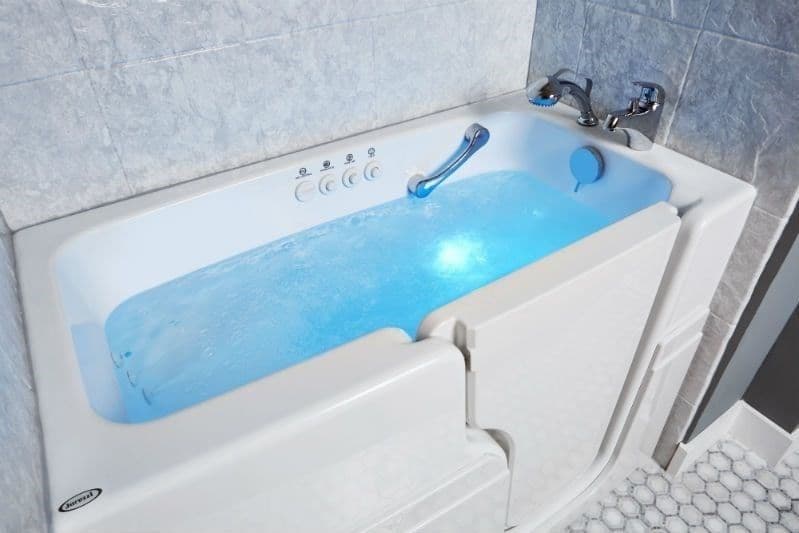
- Clean the latch and door seals regularly to prevent buildup of soap scum or debris.
- Inspect for wear and tear—look for cracks, rust, or loose hardware.
- Lubricate moving parts with a silicone-based lubricant if recommended by the manufacturer.
- Check the watertight seal after each use to ensure there are no leaks.
For a deeper clean, you might want to review best practices on how to sanitize a walk-in shower to keep your bathroom environment healthy and safe.
Choosing the Right Latching System for Your Needs
When selecting a walk-in tub, consider the user’s physical abilities, bathroom layout, and personal preferences. Look for tubs with latches that are easy to operate, highly rated for safety, and backed by a solid warranty. Reading customer reviews and consulting with accessibility specialists can also help you make a confident choice.
If you’re interested in additional features, such as aromatherapy options for walk-in bathtubs or hydrotherapy jets, be sure to compare models and ask about compatibility with your preferred latching system.
For those researching broader bathroom safety upgrades, you may find the comprehensive guide to walk-in showers for seniors especially helpful.
Frequently Asked Questions
How do I know if my walk-in tub door is securely latched?
Most walk-in tubs have a visual or audible indicator that confirms when the door is properly locked. Always double-check the handle or latch before filling the tub to ensure a tight seal.
Can I replace a faulty latch mechanism myself?
While some minor adjustments can be made at home, it’s best to consult the manufacturer or a professional if you notice any issues with the latch. Improper repairs could compromise the tub’s safety and watertight integrity.
Are certain latch types better for people with arthritis?
Yes, lever-style latches and automatic locking systems are generally easier for individuals with arthritis or limited hand strength. Look for models with large, ergonomic handles and smooth operation.
How often should I inspect or maintain the latch mechanism?
It’s a good idea to check the latch and door seals at least once a month, or more frequently if the tub is used daily. Regular cleaning and occasional lubrication can help extend the life of the mechanism.
What should I do if my tub door starts leaking?
First, inspect the latch and seals for any visible damage or debris. If the problem persists, contact the manufacturer or a qualified technician to assess and repair the issue promptly.