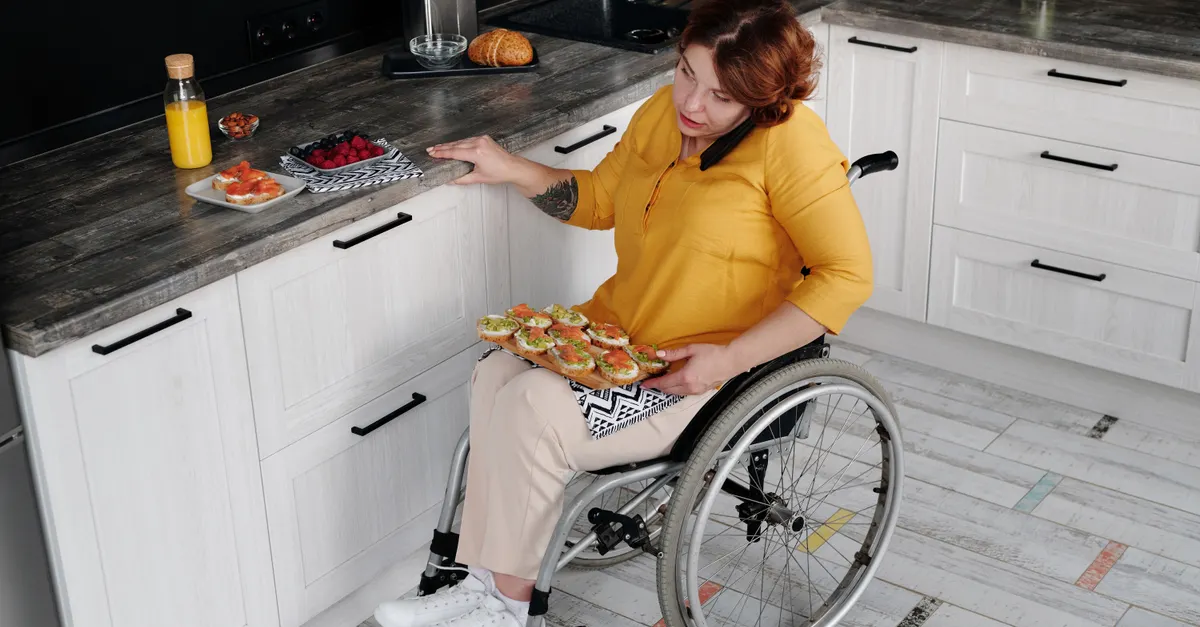
Securing funding to make a kitchen more accessible can be a crucial step for individuals with disabilities, older adults, and families supporting loved ones with mobility challenges. Kitchen accessibility grants provide financial assistance to help cover the costs of necessary renovations, such as installing lower countertops, accessible appliances, or improved lighting. Understanding the options available, eligibility requirements, and application process can make a significant difference in turning an inaccessible kitchen into a safe, functional space for everyone.
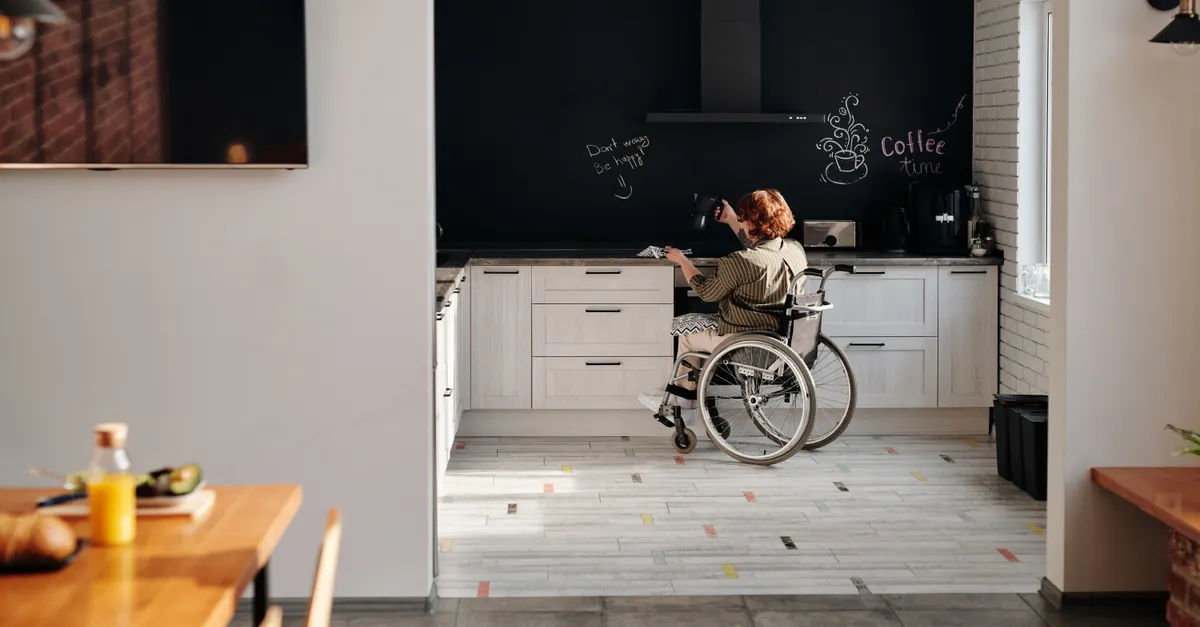
Understanding Funding Options for Accessible Kitchens
There are several types of kitchen accessibility grants designed to assist with the costs of modifying a kitchen for better usability and safety. These grants can come from federal agencies, state and local programs, as well as nonprofit organizations and private foundations. Each source has its own focus, eligibility rules, and application procedures, so it’s important to explore all possibilities to find the best fit for your needs.
Federal Grant Programs
Some of the most substantial support comes from federal programs. For example, the U.S. Department of Agriculture (USDA) offers grants and loans to low-income homeowners in rural areas for home modifications, which can include kitchen accessibility improvements. The Department of Housing and Urban Development (HUD) provides Community Development Block Grants to local governments, which may be used for accessibility renovations in private homes.
For veterans and military families, the Department of Veterans Affairs (VA) offers several grant programs specifically for home modifications, including the Specially Adapted Housing (SAH) grant, which offers up to $126,526 for eligible service members and veterans to adapt their homes, including kitchens, to accommodate severe disabilities.
- Specially Adapted Housing (SAH) grant: Offers up to $126,526 (as of 2024, according to NerdWallet) for eligible service members and veterans to adapt their homes, including kitchens, to accommodate severe disabilities.
- Special Home Adaptation (SHA) grant: Provides funding for veterans with certain service-connected disabilities to modify their homes for accessibility.
- Temporary Residence Adaptation (TRA) grant: Assists veterans temporarily living in a family member’s home with accessibility modifications.
- Home Improvements and Structural Alterations (HISA) grant: Covers medically necessary improvements, which can include kitchen modifications.
State and Local Grants
Many states and municipalities offer their own programs to help residents fund accessibility renovations. These may be administered through state housing agencies, departments of aging, or local disability advocacy organizations. Some states participate in Medicaid waiver programs that can help pay for home modifications for eligible individuals. Additionally, a State Assistive Technology Loan Program may provide low-interest loans or grants for accessibility equipment and renovations.
Nonprofit and Private Foundation Grants
Nonprofit organizations and private foundations often fill gaps left by government programs. These organizations may offer grants or direct assistance for kitchen accessibility projects, especially for individuals who do not qualify for federal or state funding. Examples include local chapters of national disability organizations, community development nonprofits, and charitable foundations focused on aging in place or independent living.
Who Qualifies for Kitchen Accessibility Grants?
Eligibility for kitchen accessibility grants varies widely depending on the funding source. However, there are some common criteria that applicants may need to meet:
- Disability status: Most programs require that the applicant or a household member has a documented disability that affects mobility or daily living activities.
- Income limits: Many grants, especially those from federal and state sources, are targeted at low- or moderate-income households. Proof of income may be required.
- Homeownership: Some grants are only available to homeowners, while others may assist renters with landlord approval.
- Veteran or military status: VA grants are specifically for eligible veterans or service members with service-connected disabilities.
- Location: Certain programs, such as USDA grants, are limited to rural areas, while others may be available only in specific states or cities.
- Type of modification: The proposed renovation must typically address a specific accessibility need, such as lowering counters, widening doorways, or installing accessible appliances.
It’s important to review the guidelines for each grant program carefully. Some may require a medical professional’s certification of need, while others may ask for detailed renovation plans or contractor estimates.
Step-by-Step Guide to Applying for Kitchen Accessibility Grants
Applying for funding to make a kitchen more accessible can seem daunting, but breaking the process into manageable steps can help. Here’s a practical approach tailored for kitchen-specific modifications:
- Identify Your Needs: Start by assessing which aspects of your kitchen create barriers. Consider consulting an occupational therapist or accessibility specialist to determine which modifications will have the greatest impact.
- Research Available Grants: Compile a list of federal, state, local, and nonprofit programs that fund kitchen accessibility projects. Pay close attention to eligibility requirements and deadlines.
- Gather Documentation: Most applications will require proof of disability, income, homeownership or rental status, and possibly a letter from a healthcare provider. Prepare renovation plans or contractor estimates to demonstrate the scope and cost of the project.
- Complete the Application: Fill out each grant application thoroughly, following instructions closely. Incomplete or inaccurate applications are a common reason for denial.
- Submit Supporting Materials: Attach all required documentation, such as medical certifications, income statements, and renovation plans. Some programs may require photos of the current kitchen or a letter of need.
- Follow Up: After submitting your application, check in with the grant administrator to confirm receipt and ask about the review timeline. Be prepared to answer follow-up questions or provide additional information if requested.
- Plan for Next Steps: If approved, coordinate with contractors and schedule the renovation. If denied, review feedback and consider applying to other programs or seeking alternative funding sources.
For more detailed planning advice, you may find it helpful to explore kitchen accessibility renovations resources, which offer step-by-step guidance on preparing for and managing the renovation process.
What to Expect from Award Amounts and Timelines
The amount of funding available through kitchen accessibility grants can vary significantly. For example, the VA’s Specially Adapted Housing (SAH) grant provides up to $126,526 as of 2024 for eligible veterans, while other programs may offer smaller awards ranging from a few hundred to several thousand dollars. State and local grants often have more modest limits, and nonprofit funding may depend on available resources and the scope of the project.
Timelines for approval and disbursement also differ. Federal grants may take several months to process, while some local or nonprofit programs can provide quicker decisions. It’s wise to plan ahead and apply early, especially if your project is time-sensitive.
Conclusion: Taking the First Step Toward an Accessible Kitchen
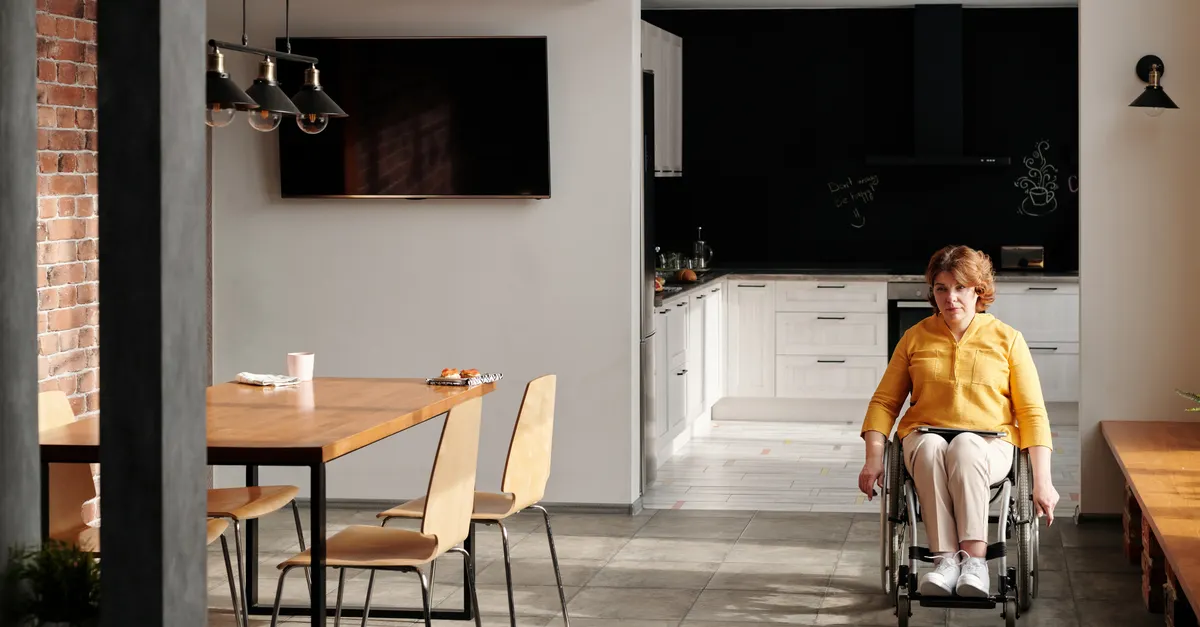
Improving kitchen accessibility can greatly enhance independence and quality of life for individuals with disabilities or mobility challenges. By understanding the types of grants available, eligibility requirements, and the application process, you can increase your chances of securing funding for essential modifications. Start by assessing your needs, researching programs, and preparing thorough applications. If you need inspiration or practical ideas, exploring kitchen accessibility solutions for aging in place can help you envision what’s possible. Taking these steps brings you closer to a safer, more functional kitchen for yourself or your loved ones.
Frequently Asked Questions
What types of kitchen accessibility grants are available?
There are federal, state, local, and nonprofit grants that can help fund kitchen accessibility modifications. Federal programs include USDA grants for rural homeowners and VA grants for veterans. State and local governments may offer additional funding, and nonprofit organizations sometimes provide assistance for specific needs.
Who is eligible for these grants?
Eligibility depends on the specific program, but common requirements include having a documented disability, meeting income limits, and owning or renting the home to be modified. Some grants are reserved for veterans or residents of certain areas.
How do I apply for a kitchen accessibility grant?
The process typically involves identifying your needs, researching available programs, gathering documentation (such as proof of disability and income), completing the application, and submitting all required materials. Following up with the grant administrator can help ensure your application is reviewed promptly.