
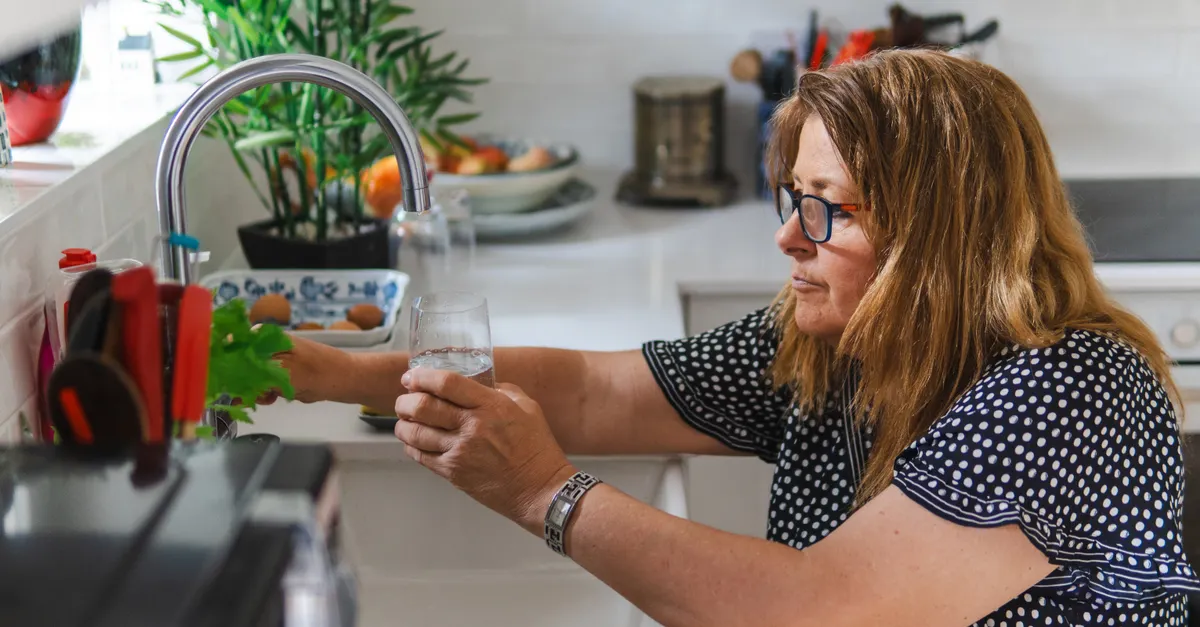
Designing a kitchen that supports independent living for older adults is a crucial step in making a home both comfortable and safe. As people age, daily tasks like cooking and cleaning can become more challenging due to mobility changes, vision decline, or reduced strength. By focusing on kitchen accessibility solutions for aging in place, homeowners can create an environment that minimizes risks and maximizes independence. This article explores essential modifications, the growing role of smart technology, and when to seek professional help to ensure safety and usability in the kitchen.
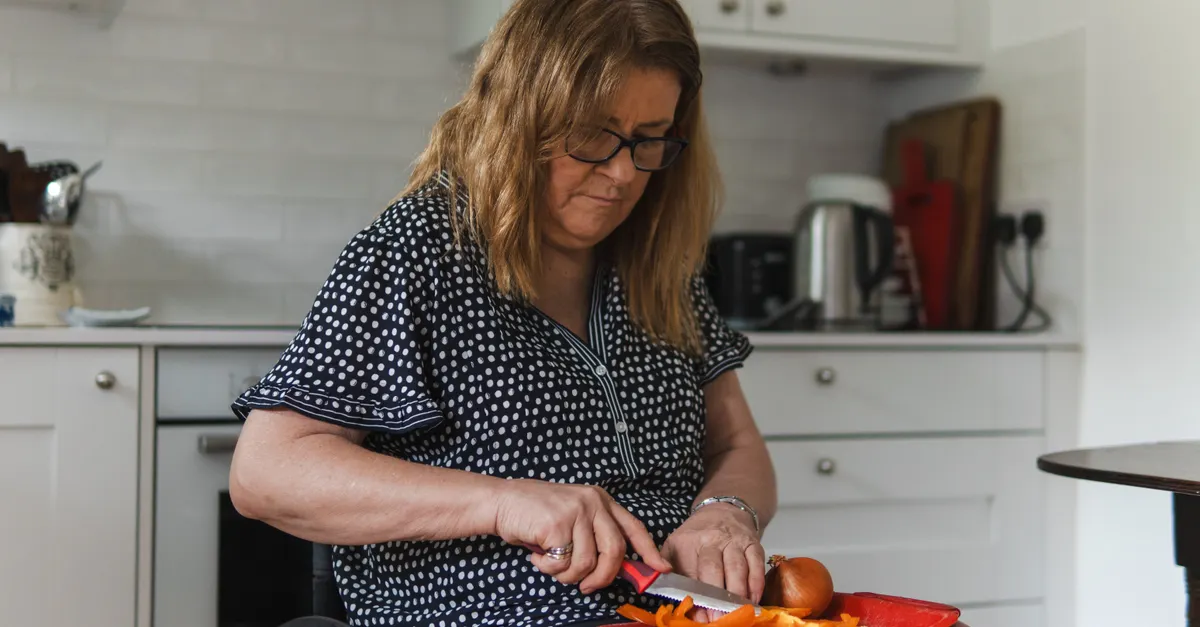
Key Modifications for a Senior-Friendly Kitchen
Making a kitchen accessible involves more than just rearranging furniture. It requires thoughtful changes that address common challenges faced by older adults. Here are some of the most impactful upgrades:
Bright, Even Lighting
Proper lighting is one of the most effective ways to reduce accidents in the kitchen. According to AgingInPlace.com, bright, even lighting helps prevent cuts, spills, and mistakes during meal preparation. Consider installing under-cabinet lights, motion-sensor fixtures, or adjustable LED bulbs to ensure every work surface is well-lit. Good lighting also helps those with declining vision maintain their independence and confidence in the kitchen.
Pull-Out Shelves and Drawers
Traditional cabinets often require bending or reaching deep inside, which can be difficult or unsafe for seniors. Pull-out shelves and drawers are a practical solution, as they bring stored items within easy reach and minimize the need for awkward movements. Evidence from AgingInPlace.com highlights that pull-out shelves significantly enhance accessibility by reducing strain and risk of falls.
Non-Slip Flooring
Slippery floors are a major hazard in any kitchen, especially for older adults. Installing non-slip flooring—such as textured vinyl, rubber, or slip-resistant tiles—can help prevent slips caused by water or dropped food. This upgrade is strongly recommended by experts and is one of the simplest ways to improve safety.
Lever-Style Faucets
Replacing traditional twist faucets with lever faucets makes it much easier for those with arthritis or limited hand strength to control water flow and temperature. Lever handles require less effort and can often be operated with the side of the hand or even an elbow, reducing strain and risk of injury.
Accessible Work Surfaces
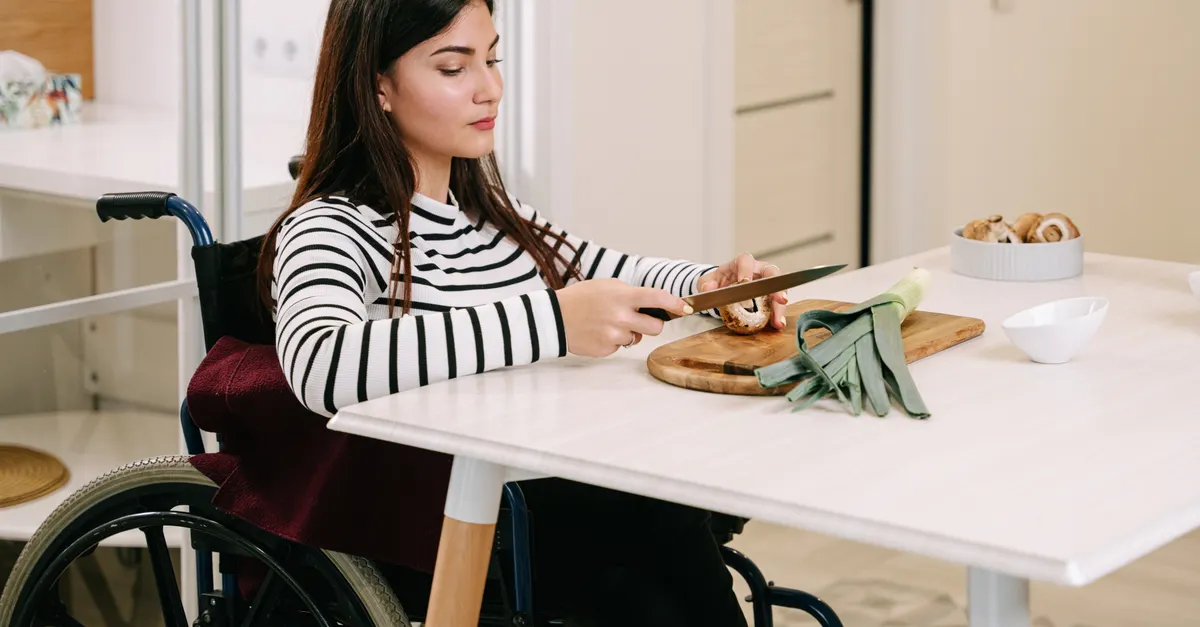
Lowering countertops or creating multi-level workspaces can accommodate wheelchair users or those who prefer to sit while preparing meals. Rounded edges on counters and tables also help prevent injuries from accidental bumps.
For a broader overview of home improvements that support independent living, consider referencing the aging in place home improvement checklist for additional ideas beyond the kitchen.
Integrating Smart Technology for Enhanced Accessibility
While traditional modifications are essential, integrating smart technology can further improve kitchen safety and convenience for seniors. This area is often overlooked but offers significant benefits:
Smart Appliances
Modern smart appliances can be controlled via voice commands, smartphone apps, or even remote controls. For example, a smart induction cooktop can automatically shut off if left unattended, reducing fire risk. Smart refrigerators can send alerts if the door is left open, and ovens with Wi-Fi connectivity allow users to monitor cooking progress from another room.
Motion-Sensor Lighting
Installing motion-sensor lighting ensures that the kitchen is always illuminated when someone enters, eliminating the need to fumble for switches in the dark. This is especially helpful for those with limited mobility or vision.
Voice-Activated Assistants
Devices like smart speakers can help seniors set timers, create shopping lists, or control other smart devices hands-free. This reduces the need to handle small buttons or screens, making daily tasks more manageable.
Smart Stove Shut-Off Systems
One of the most significant safety risks in the kitchen is forgetting to turn off the stove. Smart stove shut-off systems can automatically power down the appliance after a set period or when no motion is detected in the kitchen. These systems provide peace of mind for both seniors and their families.
Remote Monitoring and Alerts
Some smart devices can send alerts to caregivers or family members if unusual activity is detected, such as the refrigerator not being opened for an extended period. This feature can be especially valuable for those living alone, providing an extra layer of safety without compromising independence.
Safety Considerations and When to Seek Professional Help
While many accessibility upgrades seem straightforward, it’s important to recognize the risks involved in making significant changes to a kitchen. Electrical work, appliance installation, and structural modifications can pose hazards if not done correctly. Here’s what to keep in mind:
Understanding the Risks
Some modifications, such as installing new lighting or smart appliances, may require changes to electrical wiring. Incorrect installation can lead to electrical shock, fire hazards, or appliance malfunction. Similarly, replacing flooring or countertops often involves heavy lifting and specialized tools, increasing the risk of injury.
Safe Preliminary Inspection
Before starting any project, conduct a thorough inspection of the kitchen. Look for signs of water damage, faulty wiring, or structural issues that could complicate modifications. If you’re unsure about the condition of your kitchen, consult a professional for an assessment.
When to Call a Professional
For any modification involving electricity, plumbing, or structural changes, it’s best to hire a licensed contractor or specialist. Professionals can ensure that installations meet safety codes and are tailored to the specific needs of the homeowner. Attempting complex upgrades without proper expertise can result in costly mistakes or serious injury.
Choosing the Right Products
When selecting appliances or fixtures, look for products designed with universal design principles in mind. Features like easy-to-read controls, automatic shut-off, and ergonomic handles are especially beneficial. Reading reviews and consulting with accessibility experts can help you choose the best options for your needs.
Conclusion: Planning for a Safe and Accessible Kitchen
Creating a kitchen that supports aging in place is a proactive step toward maintaining independence and safety at home. Essential modifications like pull-out shelves, non-slip flooring, and improved lighting form the foundation of an accessible kitchen. Integrating smart technology—such as voice-activated assistants, motion-sensor lighting, and smart appliances—can further enhance convenience and reduce risks.
Always prioritize safety by conducting a preliminary inspection and seeking professional help for complex modifications. By combining traditional upgrades with modern technology, seniors can enjoy a kitchen that adapts to their changing needs and supports a high quality of life.
Frequently Asked Questions
What are the most important kitchen upgrades for seniors?
Key upgrades include installing non-slip flooring, adding pull-out shelves, improving lighting, and using lever-style faucets. These changes make daily tasks safer and more manageable.
How does smart technology improve kitchen safety for older adults?
Smart technology, such as automatic stove shut-off systems and motion-sensor lighting, helps prevent accidents by reducing the risk of fire or falls. Voice-activated assistants and remote monitoring also make it easier to control appliances and receive help if needed.
Should I hire a professional for kitchen modifications?
Yes, for any upgrades involving electrical, plumbing, or structural work, it’s best to consult a licensed professional. This ensures modifications are safe, code-compliant, and tailored to your specific needs.