
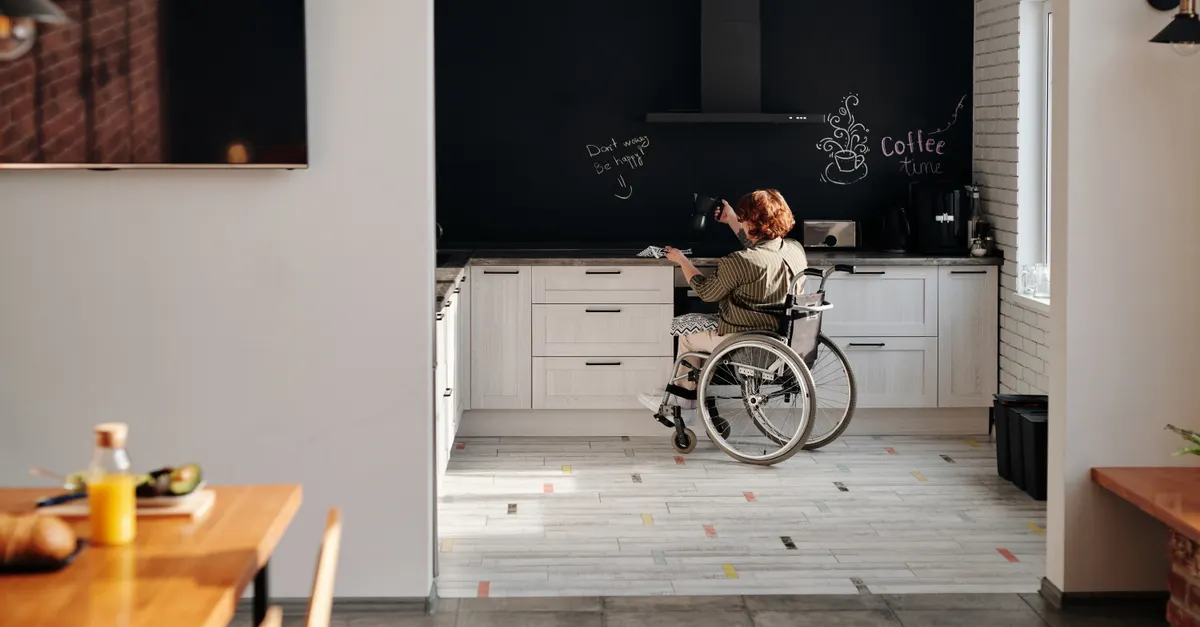
Designing a kitchen that supports independence and safety for those with visual impairment requires careful planning and a focus on practical solutions. By understanding the unique challenges faced in this environment, it becomes possible to create a space that is not only functional but also welcoming and secure. This article explores essential strategies, from layout and color contrast to adaptive tools and organizational methods, all aimed at improving kitchen accessibility for visually impaired individuals.
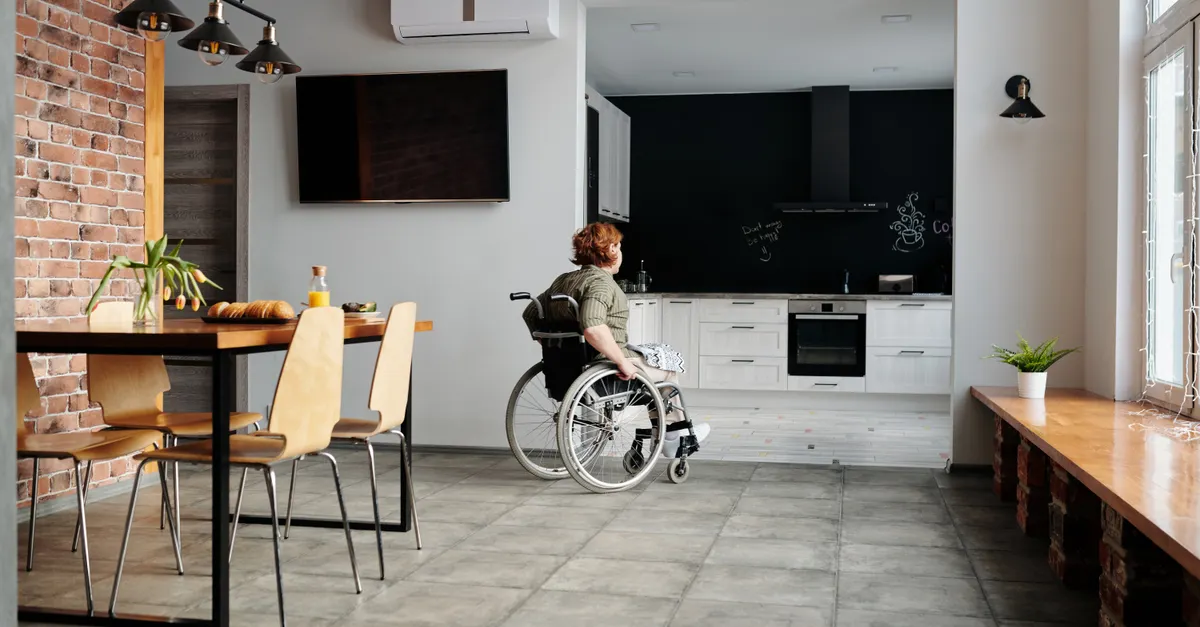
Understanding Visual Impairment and Kitchen Challenges
Individuals with visual impairment often encounter specific obstacles in the kitchen that can affect both safety and daily living. Navigating cabinets, locating ingredients, and using appliances can be difficult when vision is limited or absent. Hazards such as sharp objects, hot surfaces, and spills increase the risk of injury. Additionally, reading labels, distinguishing between similar containers, and identifying controls on appliances can present ongoing challenges.
Recognizing these difficulties is the first step toward implementing solutions that address both safety and usability. By focusing on the needs of those with low vision or blindness, it is possible to design a kitchen that minimizes risks and maximizes independence.
Design Strategies for an Accessible Kitchen
Effective design is at the heart of kitchen accessibility for visually impaired users. Several strategies can make a significant difference in both safety and ease of use:
Color Contrast and Visual Cues
Using color contrast is a powerful way to help individuals with low vision distinguish between surfaces, appliances, and utensils. For example, selecting countertops that contrast with cabinetry, or using brightly colored dishware against neutral backgrounds, can make objects easier to identify. Contrasting edge strips on countertops and shelves can also help define boundaries and prevent accidental spills or drops.
Applying tactile markers or raised dots to appliance controls, cabinet handles, and frequently used items provides additional guidance. These cues allow users to locate and operate kitchen features by touch, reducing reliance on sight.
Lighting Solutions
Proper lighting is essential in any accessible kitchen. Task lighting—focused illumination over work areas such as countertops, sinks, and stovetops—can help those with partial vision see more clearly. Adjustable or under-cabinet lights are especially useful for reducing shadows and highlighting key areas.
It is important to avoid glare, which can make it harder to see. Matte finishes on surfaces and indirect lighting can help minimize harsh reflections. Dimmers or adjustable fixtures allow users to tailor the lighting to their needs at different times of day.
Safe and Logical Layout
Arranging the kitchen in a logical, consistent manner supports both safety and efficiency. Keeping pathways clear and ensuring that commonly used items are within easy reach can reduce the risk of accidents. Rounded countertop edges and lever-style handles are safer and easier to use than sharp corners or small knobs. Installing appliances at accessible heights and ensuring that controls are easy to locate and operate are also important design considerations.
For those interested in broader modifications, exploring kitchen accessibility renovations can provide further guidance on structural changes and adaptation options.
Organizational Tips for Kitchen Accessibility
Organization plays a crucial role in kitchen accessibility for visually impaired individuals. A well-organized kitchen reduces confusion, saves time, and enhances safety. Here are some practical organizational strategies:
- Consistent Placement: Store items in the same location every time. This helps users build a mental map of the kitchen, making it easier to find what they need without searching.
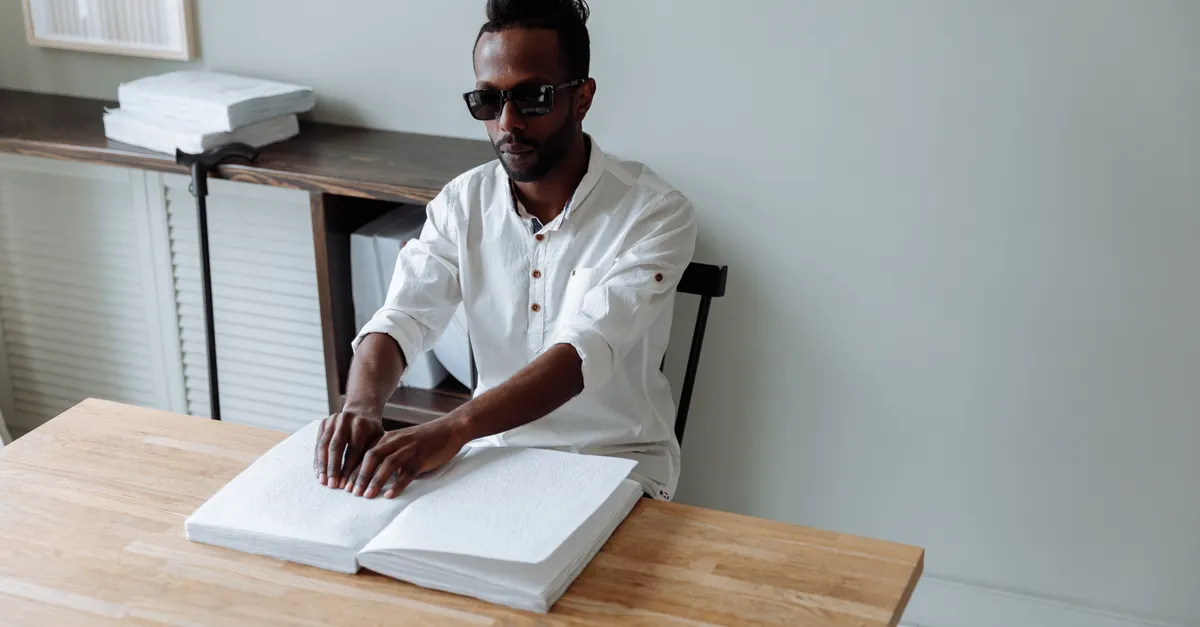
- Labeling: Use large print, braille, or tactile labels on containers, shelves, and drawers. This is especially helpful for identifying spices, canned goods, and cleaning supplies.
- Grouping Similar Items: Keep related items together, such as baking supplies in one area and cooking utensils in another. This minimizes the need to move around the kitchen unnecessarily.
- Declutter Surfaces: Clear countertops and keep only essential items out. This reduces the risk of knocking things over and makes cleaning easier.
- Accessible Storage: Use pull-out shelves, lazy Susans, and drawer organizers to make items more accessible and reduce the need for reaching or bending.
Adopting these organizational strategies can greatly enhance both safety and independence in the kitchen environment.
Essential Tools and Appliances for Visually Impaired Kitchen Users
Beyond design and organization, specific tools and appliances can make daily kitchen tasks more manageable for those with visual impairment. These adaptive devices are designed to provide tactile, auditory, or high-contrast feedback, supporting safe and independent cooking.
- Talking Kitchen Scales: These devices announce the weight of ingredients aloud, making it easier to measure accurately without relying on sight.
- Liquid Level Indicators: Placed on the rim of a cup or pot, these tools beep or vibrate when the liquid nears the top, preventing spills and burns.
- High-Contrast Measuring Cups and Spoons: Utensils with bold, contrasting colors and large print markings are easier to distinguish and use.
- Talking Thermometers: These thermometers provide spoken temperature readings, which is especially helpful for checking food safety and doneness.
- Braille and Tactile Labels: Adding tactile markers to appliance controls, pantry items, and storage containers helps users identify them by touch.
- Cut-Resistant Gloves: Wearing cut-resistant gloves can provide extra protection when chopping or slicing food.
- Non-Slip Mats: Placing non-slip mats under cutting boards and on the floor reduces the risk of slips and accidents.
- Audible Timers: Timers that beep or vibrate are easier to monitor than visual timers, helping users keep track of cooking times.
- Adaptive Can and Jar Openers: Devices designed for easier grip and operation can help with opening containers safely.
- Talking Microwaves and Ovens: Some appliances are equipped with voice guidance, making it easier to set cooking times and temperatures accurately.
Incorporating these visually impaired tools into the kitchen can significantly enhance both safety and confidence during meal preparation. When selecting new equipment, consider features such as tactile feedback, audio cues, and high-contrast markings to best support individual needs.
Conclusion and Final Thoughts
Improving kitchen accessibility for visually impaired individuals involves a combination of thoughtful design, strategic organization, and the use of adaptive tools. By addressing common challenges with practical solutions—such as color contrast, effective lighting, and specialized devices—it is possible to create a kitchen that is both safe and empowering. Whether making small adjustments or planning larger renovations, the goal is to foster independence and reduce risks. For those seeking further ideas, exploring kitchen accessibility solutions for aging in place can provide additional inspiration and guidance.
Frequently Asked Questions
What are the most important modifications for a kitchen used by someone with visual impairment?
Key modifications include enhancing color contrast between surfaces, installing task lighting, using tactile markers on appliances, and organizing items consistently. Adding adaptive tools such as talking scales and liquid level indicators can further support safety and independence.
How can lighting be optimized for visually impaired kitchen users?
Optimal lighting involves using adjustable task lights over work areas, avoiding glare with matte finishes, and ensuring that all parts of the kitchen are evenly illuminated. Under-cabinet lighting and dimmable fixtures allow users to customize brightness as needed.
What organizational strategies help maintain a safe and accessible kitchen?
Effective strategies include keeping items in consistent locations, labeling containers with large print or braille, grouping similar items together, and minimizing clutter on countertops. Using accessible storage solutions like pull-out shelves and drawer organizers can also make a significant difference.