
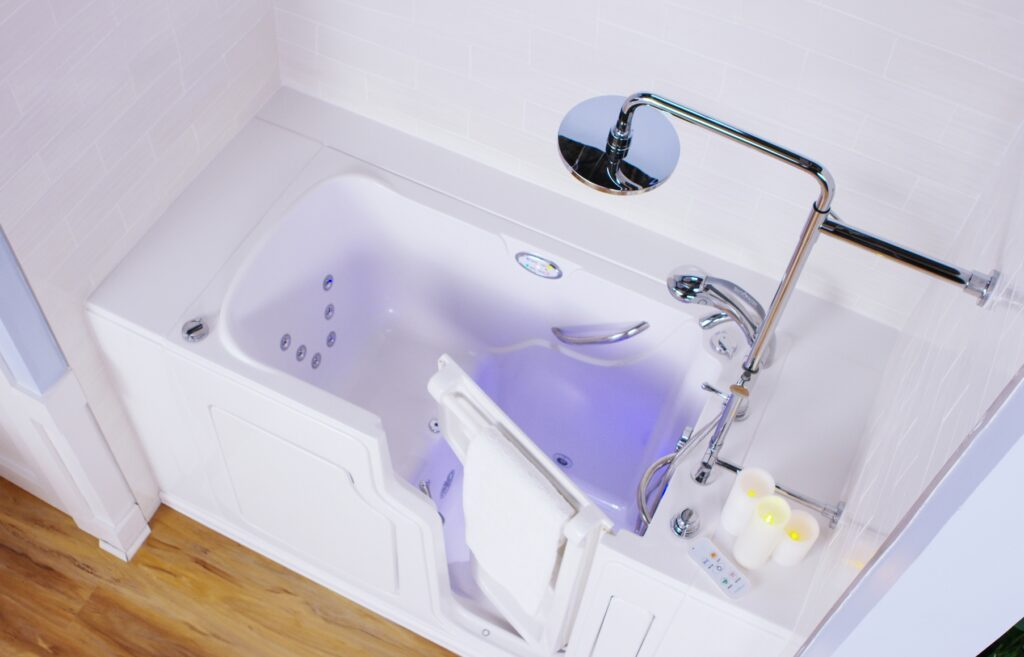
For many people dealing with daily discomfort, joint stiffness, or chronic pain, finding effective relief can be challenging. Hydrotherapy benefits in walk-in tubs offer a practical and accessible solution for those seeking comfort and improved well-being at home. These specialized bathtubs combine the therapeutic effects of warm water immersion with user-friendly features, making them especially valuable for seniors and anyone with mobility concerns.
Walk-in tubs are designed to provide a safe, comfortable bathing experience while delivering the soothing power of hydrotherapy. By using jets, air bubbles, and heated water, these tubs help reduce muscle tension, ease joint pain, and promote relaxation. The result is a bathing routine that not only cleanses but also supports physical and mental health.
When considering the advantages of walk-in tubs, it’s also important to ensure their safe operation and maintenance. For example, understanding how to check walk-in tub electrical grounding can help prevent safety hazards and keep your bathing experience worry-free.
Understanding Hydrotherapy in Accessible Bathtubs
Hydrotherapy refers to the use of water for pain relief and treatment. In the context of walk-in tubs, this typically involves a combination of warm water, air jets, and whirlpool features. These elements work together to create a gentle massage effect, which can be tailored to individual needs.
Modern walk-in tubs are equipped with easy-to-use controls, allowing users to adjust water temperature, jet intensity, and even the direction of water flow. This level of customization ensures that each person can find the most comfortable and effective setting for their unique situation.
Unlike traditional bathtubs, walk-in models feature a low threshold entry, built-in seating, and grab bars. These safety features make hydrotherapy accessible to those who may have difficulty stepping over a standard tub wall or standing for extended periods.
Key Hydrotherapy Benefits for Pain Relief
The therapeutic effects of water immersion have been recognized for centuries. Here are some of the most significant hydrotherapy benefits in walk-in tubs that contribute to relief from aches and pains:
- Reduced Joint Pressure: Buoyancy in water supports body weight, easing stress on joints and making movement less painful for those with arthritis or mobility issues.
- Improved Circulation: Warm water and massage jets stimulate blood flow, which can help reduce inflammation and promote healing in sore muscles and tissues.
- Muscle Relaxation: The combination of heat and gentle massage helps loosen tight muscles, decreasing spasms and stiffness.
- Enhanced Flexibility: Regular hydrotherapy sessions can improve range of motion, making daily activities easier and less uncomfortable.
- Stress Reduction: The calming effect of warm water immersion supports mental relaxation, which can indirectly reduce the perception of pain.

How Walk-In Tubs Support Everyday Comfort
For individuals who experience chronic pain, daily routines can become challenging. Walk-in tubs with hydrotherapy features are designed to make self-care more manageable and enjoyable. The built-in seat allows users to relax comfortably, while the jets target specific areas such as the back, legs, and feet.
Some models offer specialized foot massage jets, which can be particularly beneficial for those with poor circulation or diabetic neuropathy. For more information on this feature, see the detailed discussion of walk-in tub foot massage jet benefits for circulation.
By incorporating hydrotherapy into a regular bathing routine, users often notice improvements in sleep quality, reduced muscle soreness after activity, and an overall sense of well-being. These benefits can be especially meaningful for seniors, people recovering from surgery, or anyone managing long-term health conditions.
Comparing Hydrotherapy Features in Walk-In Tubs
Not all walk-in tubs are created equal. When evaluating different models, consider the following hydrotherapy features:
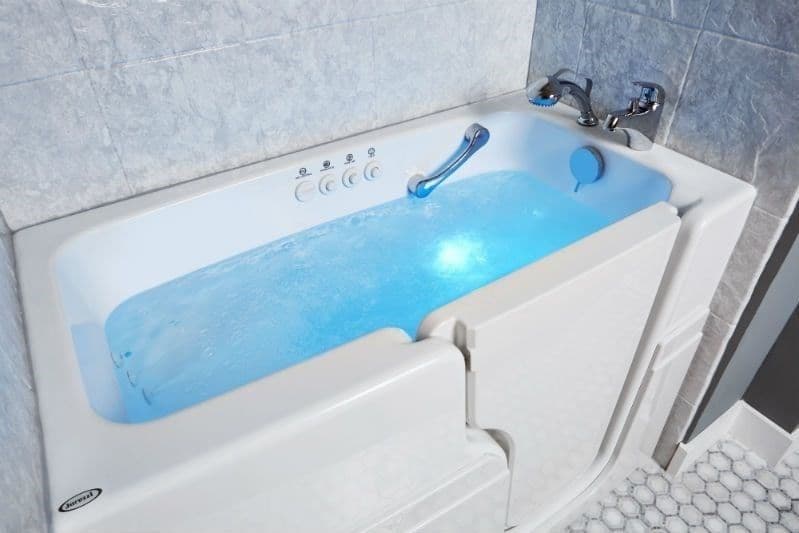
- Water Jets vs. Air Jets: Water jets provide a stronger, targeted massage, while air jets offer a gentler, full-body sensation. Some tubs combine both for a customizable experience.
- Heated Surfaces: Certain tubs include heated backrests or seats, which add another layer of comfort and help maintain water temperature during longer soaks.
- Adjustable Controls: Look for tubs with easy-to-reach controls that allow users to modify jet strength, water temperature, and other settings without assistance.
- Safety Enhancements: Features such as anti-slip flooring, grab bars, and quick-drain systems contribute to a safer bathing environment.
Who Can Benefit Most from Therapeutic Bathing?
While anyone can enjoy the soothing effects of hydrotherapy, certain groups may find walk-in tubs especially helpful:
- Seniors: Aging often brings increased aches, joint pain, and reduced mobility. Accessible tubs provide a safe way to maintain hygiene and comfort.
- People with Arthritis: The warmth and buoyancy of water help reduce joint inflammation and make movement less painful.
- Individuals Recovering from Injury: Gentle hydrotherapy can support rehabilitation by promoting circulation and easing muscle tension.
- Those with Chronic Pain Conditions: Regular use may help manage symptoms of fibromyalgia, back pain, or neuropathy.
For those interested in additional safety features, learning about walk-in tub suction safety features can help prevent entrapment and provide peace of mind during use.
Maintenance and Safety Tips for Hydrotherapy Tubs
To maximize the benefits of your walk-in tub, regular maintenance and safe usage are essential. Here are some practical tips:
- Clean jets and surfaces after each use to prevent buildup of soap scum or bacteria.
- Check for leaks or unusual noises. If you notice persistent issues, refer to resources on how to troubleshoot walk-in tub jet noise and vibration.
- Ensure all electrical components are properly grounded and inspected by a professional.
- Use non-slip mats and keep the area around the tub dry to prevent falls.
For those interested in shower alternatives, a helpful resource is this comprehensive guide to walk-in showers for seniors, which explores additional options for accessible bathing.
Frequently Asked Questions
Are hydrotherapy tubs safe for people with heart conditions?
Most walk-in tubs are designed with safety in mind, but individuals with heart conditions should consult their healthcare provider before using hydrotherapy. Warm water can affect blood pressure and circulation, so professional guidance ensures safe use.
How often should I clean the jets in my walk-in tub?
It’s best to clean the jets at least once a week or after every few uses. Regular cleaning prevents buildup of residue and bacteria, ensuring optimal performance and hygiene.
Can hydrotherapy help with circulation problems?
Yes, the combination of warm water and massage jets can stimulate blood flow and improve circulation. This is particularly beneficial for people with diabetes, neuropathy, or those who experience cold extremities.
Conclusion
Walk-in tubs equipped with hydrotherapy features provide a practical and effective way to manage aches, pains, and mobility challenges. By combining safety, comfort, and therapeutic benefits, these tubs support a higher quality of life and greater independence for users of all ages. Whether seeking relief from chronic conditions or simply looking to enhance daily comfort, investing in a walk-in tub can be a valuable step toward better health and well-being.