
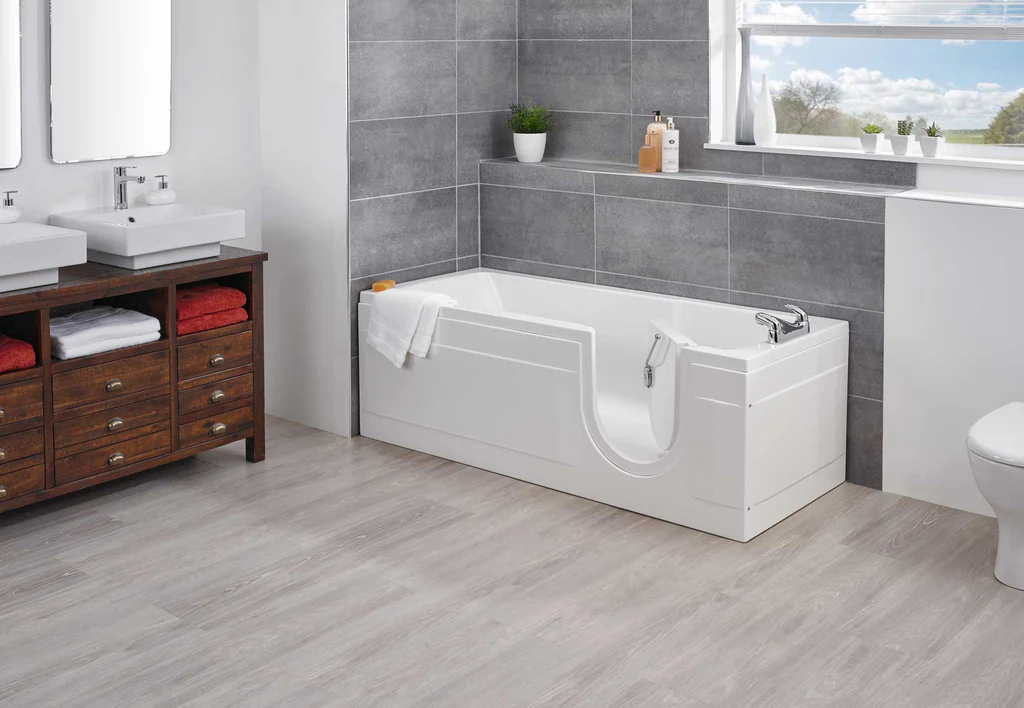
For many homeowners, a walk-in tub offers safety, comfort, and independence. However, one common concern is how quickly these tubs drain after use. Waiting several minutes for the water to empty can be inconvenient—especially for those who value efficiency or have mobility limitations. Fortunately, there are practical walk-in tub drainage speed solutions that can help you enjoy a faster, more convenient bathing experience.
This article explores proven ways to improve emptying times, from simple maintenance to smart upgrades. Whether you’re considering a new installation or want to enhance your current setup, you’ll find actionable advice here. For those also interested in optimizing bathroom safety, the safety grab bar placement guide is a valuable resource to review alongside these tips.
Understanding Drainage Challenges in Walk-In Tubs
Unlike standard bathtubs, walk-in models are designed with a door for easy entry and exit. This door must remain sealed until the water is fully drained, making emptying speed especially important. Several factors can affect how quickly water leaves the tub:
- Drain size and design: Larger or dual drains typically allow water to exit faster than single, smaller drains.
- Plumbing configuration: The slope and diameter of your home’s pipes can either help or hinder water flow.
- Water pressure and venting: Proper venting prevents airlocks that slow down drainage.
- Debris and buildup: Hair, soap scum, and mineral deposits can restrict water flow over time.
Addressing these factors is key to achieving optimal emptying times.
Top Methods to Improve Walk-In Tub Emptying Speed
There are several effective strategies for enhancing how quickly your walk-in tub drains. Below are the most impactful solutions, ranging from simple maintenance to more significant upgrades.
1. Upgrade to a Dual-Drain System
Many modern walk-in tubs feature two drains instead of one. This design allows water to exit from both ends of the tub simultaneously, cutting emptying time significantly. If your current tub only has a single drain, consult a licensed plumber to see if a dual-drain retrofit is possible for your model.
2. Maintain and Clean the Drain Regularly
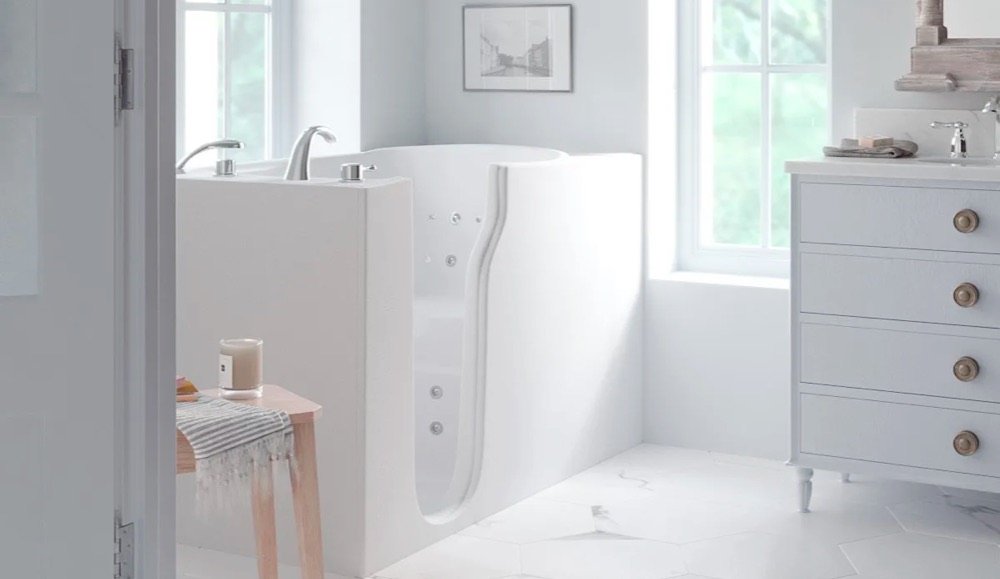
Over time, drains can become partially blocked by hair, soap, and mineral buildup, which slows water flow. Regular cleaning is essential. For step-by-step instructions, see the guide on cleaning walk-in tub jets, which also covers drain maintenance. Using a safe, non-corrosive drain cleaner every few months can help prevent slowdowns.
3. Ensure Proper Plumbing and Venting
Even the best drain can’t perform well if the home’s plumbing is undersized or poorly vented. If you notice persistent slow drainage, have a professional inspect your pipes for blockages or inadequate venting. Sometimes, upgrading to a wider drain pipe or improving vent placement can make a noticeable difference.
Additional Walk-In Tub Drainage Speed Solutions
Beyond the main approaches above, several additional steps can help you achieve faster emptying times:
- Install a high-flow drain kit: Some manufacturers offer kits that can be retrofitted to existing tubs, increasing the rate at which water exits.
- Check for obstructions: Periodically inspect the drain cover and surrounding area for debris or foreign objects.
- Use a plumber’s snake: For stubborn clogs, a manual or powered drain snake can clear blockages that slow drainage.
- Upgrade to a newer tub model: If your tub is older, newer designs often incorporate more efficient drainage technology.

Comparing Drainage Features When Shopping for a Walk-In Tub
If you’re in the market for a new walk-in tub, drainage speed should be a top consideration. Here’s what to look for:
- Dual or triple drains for maximum emptying speed
- Wide drain diameter (at least 2 inches) for improved flow
- Quick-release drain mechanisms that are easy to operate
- Manufacturer claims on emptying time—look for models that specify drainage in under two minutes
For a broader look at how walk-in tubs compare to other bathing solutions, check out this comparison of walk-in baths and showers for aging in place.
Maintenance Tips for Consistent Fast Draining
Keeping your tub’s drainage system in top shape is an ongoing process. Here are some practical habits to ensure your tub continues to empty quickly:
- Rinse the drain area after each use to remove hair and debris.
- Perform a monthly check for slow drainage and address issues promptly.
- Schedule annual professional inspections, especially if you notice persistent problems.
- Use only approved cleaning products to avoid damaging seals or pipes.
These steps, combined with the solutions above, can help you maintain optimal performance and extend the life of your walk-in tub.
Related Safety and Maintenance Resources
Improving drainage is just one part of creating a safe and accessible bathroom. For more on safety enhancements, see our article on safety features of walk-in bathtubs. If you’re considering a shower upgrade, our guide to the best materials for walk-in shower walls offers insight into durability and style. You can also compare walk-in showers versus curbless showers for safety and design options.
Frequently Asked Questions
How long does it typically take for a walk-in tub to drain?
Most standard walk-in tubs take between 6 and 10 minutes to drain completely. However, tubs with dual drains or high-flow systems can empty in as little as 1 to 2 minutes, depending on your home’s plumbing.
Can I retrofit my existing walk-in tub for faster drainage?
In some cases, yes. Retrofitting with a dual-drain system or installing a high-flow drain kit can improve emptying times. Consult a professional to determine compatibility with your current tub and plumbing.
What should I do if my walk-in tub is draining slowly?
Start by cleaning the drain and checking for visible obstructions. If the problem persists, have your plumbing inspected for blockages or venting issues. Regular maintenance and prompt attention to slow drainage can prevent bigger issues down the line.