

Navigating property taxes can be a significant challenge for older adults living on a limited income. As housing costs and local tax rates rise, many seniors find themselves struggling to keep up with annual property tax bills. Fortunately, a range of programs and resources exist to help reduce this burden, making it possible for older homeowners to remain in their homes and maintain financial stability.
This guide explores the most common forms of property tax relief for low income seniors, including exemptions, credits, and deferral options. We’ll also cover eligibility requirements, application tips, and where to find additional support. For those interested in maximizing savings, consider learning about home improvement tax credits for elderly as another way to reduce overall housing expenses.
Understanding Senior Property Tax Exemptions
Many local governments offer property tax exemptions specifically for older adults with limited income. These exemptions reduce the taxable value of a home, directly lowering the annual tax bill. While the details vary by state and county, the goal is to help seniors remain in their homes without being overwhelmed by rising taxes.
- Age requirement: Most programs require homeowners to be at least 62 or 65 years old.
- Income limits: Eligibility is typically based on household income, with thresholds set by local authorities.
- Primary residence: The property must usually be the applicant’s main home.
Some states automatically apply exemptions if you meet the criteria, while others require an annual application. Check with your local assessor’s office for specific rules and deadlines.
Tax Credits and Rebates for Older Homeowners
In addition to exemptions, many regions offer tax credits or rebates that provide direct relief to qualifying seniors. These programs often refund a portion of property taxes paid or reduce the amount owed.
Common features of these credits include:
- Annual or one-time payments based on income and age
- Application forms that may require proof of income and age
- Credits that can be applied to future tax bills or received as a refund
For example, some states offer a “circuit breaker” program, which limits the amount of property tax a low-income senior must pay relative to their income. This can be especially helpful for those on a fixed budget.
Deferral Programs: Postponing Property Tax Payments
For seniors who qualify, tax deferral programs allow homeowners to postpone paying some or all of their property taxes until the home is sold or the owner passes away. This option can provide immediate financial relief, though interest may accrue on the deferred amount.
Key points to consider:
- Deferral is not forgiveness; taxes will eventually need to be paid
- Interest rates and eligibility criteria vary by jurisdiction
- Some programs require repayment upon sale or transfer of the property
If you’re considering a deferral, consult with a financial advisor or your local tax office to understand the long-term implications.
Eligibility Requirements for Tax Relief Programs
Qualifying for reduced property taxes as a senior depends on several factors. While each state and locality sets its own rules, most programs consider the following:
- Age: Minimum age requirements, often 62 or 65
- Income: Household income must fall below a set threshold
- Residency: The property must be the applicant’s primary residence
- Ownership: Proof of ownership is required, sometimes for a minimum number of years
Documentation such as tax returns, Social Security statements, and proof of age may be needed. It’s important to review your local guidelines and gather all necessary paperwork before applying.
How to Apply for Senior Property Tax Assistance
The application process for property tax relief varies by location, but generally involves submitting forms to your county assessor or local tax office. Here are some steps to help you get started:
- Visit your local assessor’s website or office to find available programs
- Review eligibility requirements and deadlines
- Gather required documents, such as proof of income and age
- Complete and submit the application before the deadline
- Follow up to confirm your application was received and processed
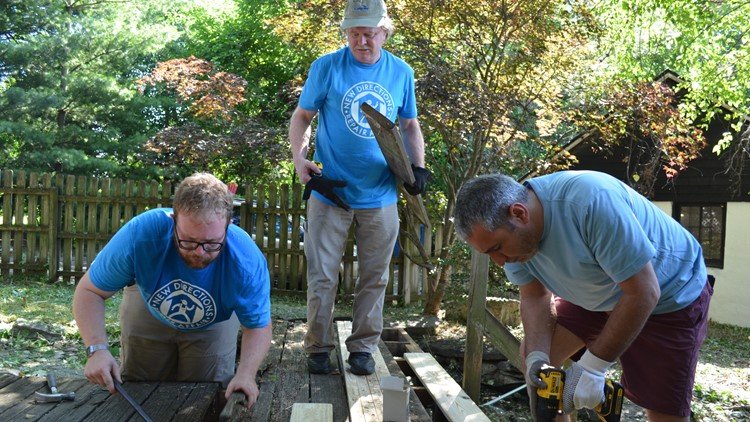
If you need help with the application, many local agencies and nonprofit organizations offer free assistance. For example, Rebuilding Together provides resources for seniors seeking to remain safely and affordably in their homes.
Additional Resources for Senior Homeowners
In addition to property tax relief, older adults can explore other ways to make homeownership more affordable. Programs for DIY home safety improvements for seniors and bedroom safety improvements for seniors can help reduce maintenance costs and improve quality of life. Some states also offer grants or low-interest loans for home repairs and accessibility upgrades.

For bathroom safety, consider reading about bathroom grab bars for seniors or toilet safety rails for elderly to further support aging in place.
Frequently Asked Questions
What is the difference between a property tax exemption and a tax deferral for seniors?
An exemption reduces the taxable value of your home, lowering your annual property tax bill. A deferral allows you to postpone payment of property taxes until a later date, such as when the home is sold. While exemptions provide immediate savings, deferrals offer temporary relief but must be repaid eventually, often with interest.
How do I find out if I qualify for property tax relief as a senior?
Eligibility varies by state and county. Typically, you must meet age, income, and residency requirements. Contact your local tax assessor’s office or visit their website for specific program details and application instructions.
Can I receive both a property tax exemption and a tax credit?
In some areas, seniors can benefit from multiple forms of assistance, such as combining an exemption with a tax credit or rebate. However, some programs may limit participation to one type of relief. It’s important to review local rules and consult with your tax office to maximize your savings.
Are there other ways for seniors to lower housing costs besides property tax relief?
Yes. Seniors can explore home improvement grants, utility assistance, and safety upgrades to reduce overall expenses. Resources like DIY home safety improvements for seniors offer practical tips for making homes safer and more affordable.
Conclusion
Accessing the right property tax assistance can make a significant difference for older adults on a fixed income. By understanding available exemptions, credits, and deferral options, seniors can better manage their housing costs and remain comfortably in their homes. Always check with your local tax office for the most current information and consider reaching out to nonprofit organizations for additional support and guidance.