
Shadows in living spaces can create discomfort, reduce visibility, and even pose safety risks, especially for older adults or anyone with limited mobility. Effective lighting for shadow prevention is essential for creating a safer, more welcoming home environment. By understanding the causes of unwanted shadows and choosing the right fixtures and placement, you can dramatically improve both the look and function of your rooms.
This guide explores practical strategies for minimizing shadows, from fixture selection to installation tips. Whether you’re updating a single room or planning a full-home lighting upgrade, these insights will help you achieve balanced, glare-free illumination tailored to your needs.
For those interested in optimizing bathroom safety as well, consider learning about walk-in shower grab bar weight ratings to ensure comprehensive support throughout the home.
Understanding the Causes of Shadows Indoors
Before selecting the best lighting for shadow prevention, it’s helpful to know why shadows form in the first place. Shadows are created when an object blocks light from a source, resulting in areas of reduced illumination. In homes, shadows often appear due to:
- Poor placement of light fixtures
- Insufficient number of lights
- Use of single, strong overhead lights without supplementary sources
- Large furniture or decor obstructing light paths
- Fixtures with narrow beam angles or inadequate diffusion
By addressing these factors, you can significantly reduce dark spots and improve overall visibility.
Choosing Fixtures That Minimize Shadows
The type of lighting you select plays a crucial role in shadow elimination. Here are some fixture options and their benefits:
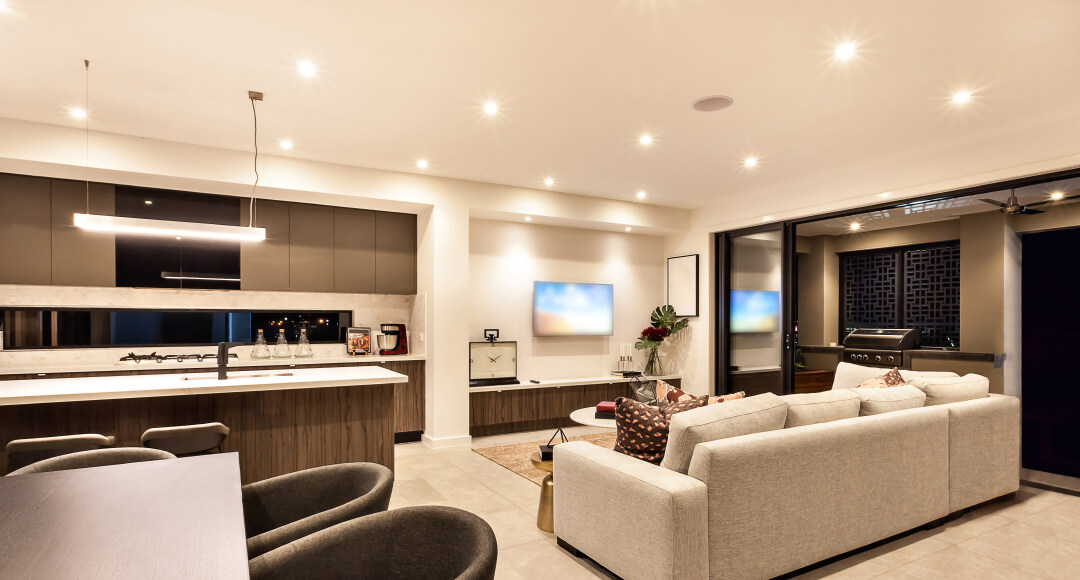
- Recessed Lighting: These fixtures are installed flush with the ceiling, providing even, widespread illumination. When spaced properly, they help eliminate dark corners and reduce shadow lines.
- Track Lighting: Adjustable heads allow you to direct light exactly where it’s needed, making it easier to fill in shadowy areas.
- Wall Sconces: Mounted at eye level, sconces add horizontal light that helps counteract shadows cast by overhead sources.
- LED Strip Lights: These are ideal for under cabinets, shelves, or along stairways, providing continuous light that prevents harsh shadows.
- Table and Floor Lamps: Portable lamps can be positioned to supplement fixed lighting and brighten specific zones.

Placement Strategies for Effective Shadow Reduction
Even the best fixtures can create shadows if not installed thoughtfully. Consider these placement tips to maximize the benefits of lighting for shadow prevention:
- Layer Your Lighting: Use a combination of ambient (general), task, and accent lighting to ensure every area is well-lit from multiple angles.
- Space Recessed Lights Evenly: Avoid placing them too far apart, which can leave dark spots. A good rule of thumb is to space them 4–6 feet apart for standard ceiling heights.
- Light from Multiple Directions: Incorporate wall-mounted fixtures or lamps to counteract shadows cast by overhead lights.
- Illuminate Work Surfaces: In kitchens, bathrooms, and offices, install under-cabinet or desk lighting to reduce hand and body shadows.
- Consider Natural Light: Maximize daylight by keeping windows unobstructed and using light, reflective colors for walls and ceilings.
Room-by-Room Lighting Tips for a Shadow-Free Home
Kitchen and Dining Areas
Kitchens are especially prone to shadows due to cabinets and appliances. Install under-cabinet LED strips to brighten countertops and use recessed or track lighting for overall coverage. In dining areas, choose fixtures with diffusers to soften shadows over the table.
Bathrooms
Vanity lighting should flank mirrors at eye level, not just above, to prevent facial shadows. Consider adding motion sensor night lights for safe nighttime navigation. For more on bathroom safety upgrades, explore walk-in tub frame construction types for additional ideas.
Living Rooms and Bedrooms
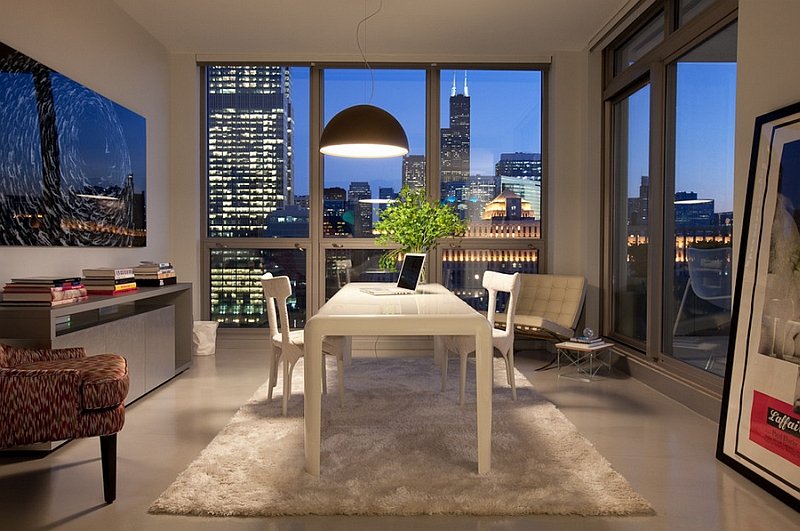
Use a mix of ceiling fixtures, wall sconces, and floor lamps to create a balanced, inviting atmosphere. Place reading lamps behind or beside seating to avoid casting shadows on books or screens.
Smart Lighting and Automation for Shadow Control
Modern technology offers new ways to manage shadows in the home. Smart bulbs and motion sensors allow you to adjust brightness and color temperature throughout the day, ensuring consistent illumination. Automated scenes can turn on multiple lights at once, reducing the chance of shadows forming as you move from room to room.
Motion sensor night lights are especially useful in hallways, bathrooms, and bedrooms, providing gentle, targeted light exactly when needed—without harsh contrasts or sudden dark spots.
Maintenance and Upkeep for Consistent Results
Even the best-designed lighting system needs occasional maintenance to remain effective. Keep fixtures clean and dust-free to maintain brightness. Replace burnt-out bulbs promptly and consider upgrading to energy-efficient LEDs for long-lasting, consistent performance.
Periodically reassess your lighting as furniture arrangements or room uses change. Small adjustments to lamp placement or fixture angles can make a big difference in shadow reduction.
Frequently Asked Questions
What type of lighting is best for reducing shadows in kitchens?
Combining recessed ceiling lights with under-cabinet LED strips provides even coverage and minimizes shadows on work surfaces. Adjustable track lighting can also help fill in dark corners.
How can I prevent shadows on my bathroom mirror?
Install vertical fixtures or sconces on either side of the mirror at face height. This setup provides balanced light and reduces facial shadows, making grooming tasks easier.
Are smart lights effective for managing shadows?
Yes, smart lighting systems let you adjust brightness and color temperature to suit different times of day and activities. Automated scenes can activate multiple lights at once, helping to maintain consistent, shadow-free illumination.
Can lighting upgrades improve home safety?
Absolutely. Properly placed lights reduce trip hazards and improve visibility, especially in stairways, hallways, and bathrooms. For enhanced bathroom safety, you might also want to read about walk-in tub insurance coverage.
Conclusion
Thoughtful lighting for shadow prevention can transform your home into a safer, more comfortable, and visually appealing space. By selecting the right fixtures, layering light sources, and maintaining your system, you can enjoy bright, shadow-free rooms that support both daily activities and relaxation. Regularly reviewing your setup ensures your home remains well-lit and inviting for everyone.