
Falls and slips in the bathroom are a leading cause of injury, especially for seniors, people with mobility challenges, and families with young children. Choosing the right safety equipment can make a significant difference in preventing accidents and supporting independence. This bathroom safety products comparison explores the most effective solutions available today, helping you make informed decisions for a safer home environment.
Whether you’re updating a family bathroom or planning for aging in place, understanding the strengths and limitations of different safety aids is essential. From grab bars and non-slip mats to toilet rails and shower chairs, we’ll break down the best options, highlight key features, and offer practical advice for selecting the right products for your needs.

For a comprehensive approach to home safety, you may also find the aging in place home improvement checklist helpful as you consider which upgrades to prioritize.
Why Bathroom Safety Matters for Every Household
The bathroom presents unique hazards due to wet surfaces, hard fixtures, and limited space. According to the CDC, more than 200,000 people are treated in emergency rooms annually for bathroom-related injuries. Older adults are particularly at risk, but anyone can benefit from improved safety measures. By comparing leading products, you can identify which solutions best address your household’s needs and reduce the risk of falls and injuries.
Key Categories in Bathroom Safety Products Comparison
When evaluating safety aids, it’s helpful to group them by function. Here are the main categories to consider:
- Grab Bars and Handrails – Provide support for standing, sitting, and moving around safely.
- Non-Slip Surfaces – Mats, decals, and coatings that reduce the risk of slipping on wet floors or in the tub.
- Shower and Bath Seats – Offer stability for those who have difficulty standing for long periods.
- Toilet Safety Frames and Rails – Assist with sitting down and standing up from the toilet.
- Raised Toilet Seats – Make it easier to use the toilet by increasing its height.
- Transfer Benches – Help users get in and out of the bathtub safely.
Comparing Grab Bars and Handrails: Features and Installation
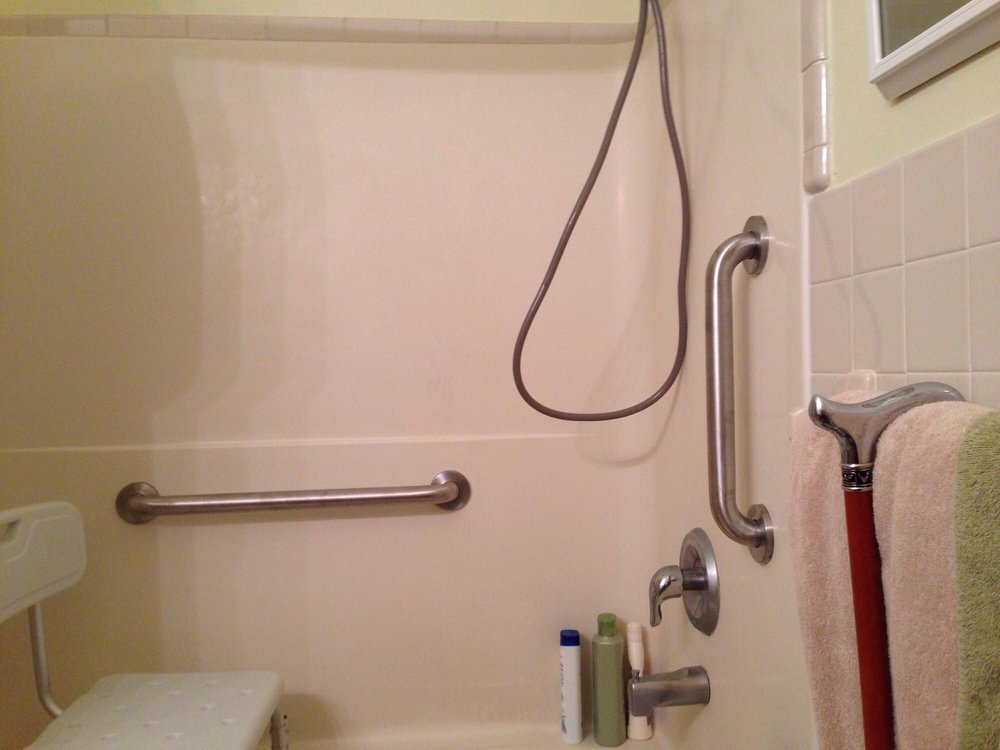
Grab bars are among the most recommended safety upgrades for bathrooms. They come in a variety of lengths, finishes, and mounting styles. When comparing grab bars, consider:
- Material: Stainless steel is durable and rust-resistant, while plastic options may be less sturdy.
- Mounting: Wall-mounted bars offer the most stability. Suction-cup models are easier to install but may not support as much weight.
- Grip Texture: Some bars have textured surfaces for better grip, reducing the risk of slipping even with wet hands.
- Location: Install bars near the shower, bathtub, and toilet for maximum benefit.
For a detailed look at placement and installation, see this room-by-room guide to grab bars.
Non-Slip Solutions: Mats, Decals, and Coatings
Slippery floors are a major hazard in bathrooms. Non-slip mats and adhesive decals are affordable and easy to install. When making a bathroom safety products comparison in this category, look for:
- Material: Rubber and silicone mats provide excellent traction and are easy to clean.
- Drainage: Mats with holes or channels allow water to drain, reducing mold and mildew buildup.
- Adhesion: Ensure decals and mats stick securely to the surface to prevent bunching or slipping.
- Size and Coverage: Choose products that cover the most hazardous areas, such as inside the tub or just outside the shower.
Some homeowners also opt for anti-slip coatings, which can be applied directly to tile or porcelain surfaces for a more permanent solution.
Shower and Bath Seating: Stability and Comfort
Shower chairs and benches are vital for anyone who has difficulty standing for extended periods. When comparing these products, consider:
- Weight Capacity: Make sure the seat can support the user’s weight safely.
- Adjustability: Height-adjustable legs allow for a custom fit.
- Backrests and Armrests: These features provide additional support and comfort.
- Non-Slip Feet: Rubber tips prevent the chair from sliding on wet floors.
Some models are designed for use inside the tub, while others straddle the tub wall for easier transfers.

Toilet Safety Rails and Raised Seats: Enhanced Accessibility
Getting on and off the toilet can be challenging for people with limited mobility. Toilet safety rails and raised seats are designed to make this process safer and more comfortable. Key factors to compare include:
- Mounting Style: Some rails attach directly to the toilet, while others are freestanding or wall-mounted.
- Adjustability: Look for models with adjustable height and width to fit different toilet sizes and user needs.
- Stability: Ensure the product does not wobble or shift during use.
- Ease of Installation: Many products require no tools and can be installed in minutes.
Raised toilet seats can add several inches of height, reducing the effort required to sit and stand. Some models combine both features for maximum support.
Transfer Benches and Bath Boards: Safe Tub Entry and Exit
For those who find stepping over the tub wall difficult, transfer benches and bath boards provide a stable platform. When comparing these aids, consider:
- Length and Adjustability: Ensure the bench fits your tub and allows for easy transfers.
- Backrests and Armrests: Added support can make transfers safer and more comfortable.
- Non-Slip Features: Look for rubber feet and textured surfaces.
- Weight Capacity: Choose a model rated for the user’s weight.
These products are especially helpful for people recovering from surgery or those with chronic mobility issues.
How to Choose the Right Bathroom Safety Solutions
With so many options available, it’s important to assess your specific needs and bathroom layout. Here are some tips for making the best choice:
- Identify the most hazardous areas in your bathroom (e.g., tub, shower, toilet).
- Consider the user’s mobility, strength, and balance.
- Measure your space to ensure products will fit properly.
- Look for products that meet recognized safety standards and have positive user reviews.
- Consult with a healthcare provider or occupational therapist for personalized recommendations.
For more ideas on adapting your home, see our guide to easy home modifications for elderly safety.
Additional Resources for Safer Bathrooms
Beyond individual products, consider a holistic approach to bathroom safety. Explore these resources for further reading:
- Bathroom safety solutions for multigenerational homes
- Building a safer bathroom for aging adults
- Smart home features that support senior mobility
Combining several safety upgrades can create a bathroom that is accessible, comfortable, and secure for everyone in your household.
Frequently Asked Questions
What are the most important features to compare in bathroom safety products?
Key features include material quality, weight capacity, ease of installation, adjustability, and non-slip properties. It’s also important to consider compatibility with your bathroom layout and the specific needs of the user.
How do I know if I need grab bars or other safety aids?
If you or a loved one has difficulty with balance, strength, or mobility, or if there’s a history of falls, installing grab bars and other safety equipment is highly recommended. Even for those without current mobility issues, proactive installation can prevent future accidents.
Can I install bathroom safety products myself, or do I need a professional?
Many products, such as suction-cup grab bars, non-slip mats, and freestanding toilet rails, can be installed without professional help. However, for wall-mounted grab bars and permanent fixtures, it’s best to consult a professional to ensure secure installation and maximum safety.