
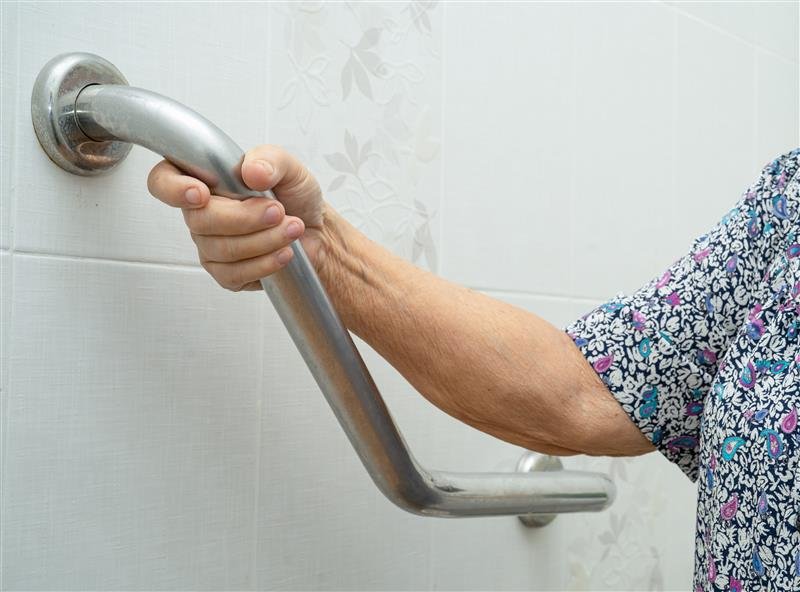
Creating a safe, accessible, and comfortable living environment is essential for anyone facing mobility or physical challenges. Whether you’re planning for your own future needs or supporting a loved one, making thoughtful changes to your home can significantly improve daily life and independence. This guide explores the most effective home adaptations for physical limitations, highlighting essential upgrades, practical tips, and expert resources to help you make informed decisions.
Many people begin with small modifications but quickly realize that a comprehensive approach—addressing bathrooms, entrances, and everyday living spaces—offers the greatest benefits. For those interested in a broader checklist, the aging in place home improvement checklist provides a detailed overview of recommended changes for long-term safety and comfort.
Why Accessibility Upgrades Matter
Physical limitations—whether temporary or permanent—can make everyday tasks challenging. Simple activities like bathing, cooking, or moving between rooms may become difficult or even hazardous without proper support. Adapting your home for mobility needs not only enhances safety but also preserves dignity and independence.
Falls are a leading cause of injury among older adults and those with disabilities. Many accidents happen at home, especially in bathrooms and on stairs. By investing in targeted improvements, you can reduce risks and create a more supportive environment for everyone in the household.
Essential Bathroom Modifications
The bathroom is often the first area addressed when considering home adaptations for physical limitations. Wet surfaces, tight spaces, and high thresholds can increase the risk of slips and falls. Upgrading this space can make a dramatic difference in both safety and usability.
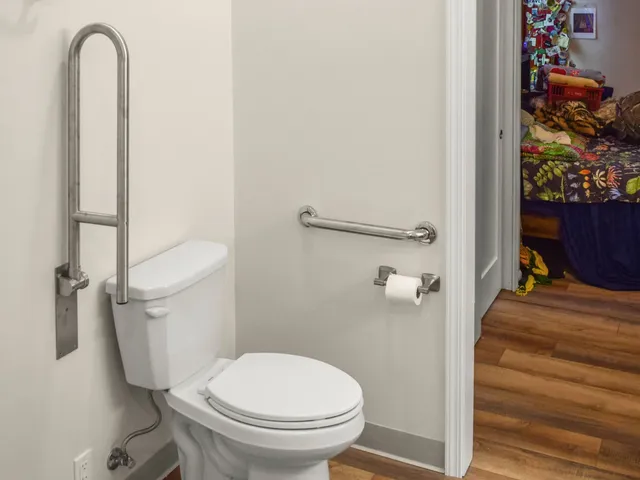
- Grab Bars: Installing sturdy grab bars near toilets, showers, and bathtubs provides essential support. These bars help prevent falls and offer stability when standing or transferring. For more on their benefits, see this detailed explanation of how grab bars improve safety for seniors.
- Raised Toilet Seats: Higher toilet seats reduce the effort needed to sit and stand, making bathroom visits easier and safer.
- Walk-In Showers: Replacing a traditional bathtub with a walk-in or roll-in shower eliminates high thresholds and allows for easier access, especially for wheelchair users.
- Non-Slip Flooring: Adding textured, slip-resistant flooring in wet areas greatly reduces the risk of falls.
- Accessible Sinks and Faucets: Lever-style handles and lower sink heights make washing hands and brushing teeth more manageable.
For more specialized solutions, the bathroom safety solutions for multigenerational homes article provides additional ideas tailored to households with diverse needs.
Upgrading Entrances and Hallways
Getting in and out of the home should be safe and straightforward. Many homes have steps, narrow doorways, or uneven thresholds that can create obstacles for those with mobility challenges. Here are some practical upgrades:
- Ramps: Installing a ramp at the main entrance makes it accessible for wheelchairs, walkers, and anyone who struggles with stairs.
- Widened Doorways: Expanding doorways to at least 32 inches accommodates most mobility devices and reduces the risk of bumps or scrapes.
- Lever Handles: Replacing round doorknobs with lever handles makes doors easier to open for those with limited hand strength.
- Threshold Ramps: Small ramps or beveled edges at door thresholds help prevent trips and ease transitions between rooms.
These changes not only support residents with physical limitations but also make the home more welcoming for visitors of all ages and abilities.
Living Room and Bedroom Adjustments
Comfort and accessibility in living and sleeping areas are just as important as in bathrooms and entryways. Consider these modifications to enhance daily life:
- Furniture Arrangement: Keep pathways clear and ensure there is enough space to maneuver mobility aids.
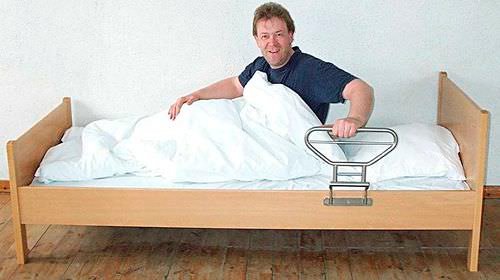
- Adjustable Beds: Beds that can be raised or lowered help with transfers and improve comfort.
- Lighting: Install bright, glare-free lighting and add motion-activated lights for nighttime safety.
- Lowered Storage: Place frequently used items within easy reach to minimize bending or stretching.
For a deeper dive into making bedrooms and living spaces safer, check out the easy home modifications for elderly safety resource.
Kitchen Modifications for Independence
The kitchen is a hub of activity but can present unique challenges for those with physical limitations. Smart upgrades can make meal preparation and cleanup more manageable:
- Accessible Countertops: Lowered counters and open space beneath sinks allow for seated use.
- Pull-Out Shelves: Drawers and shelves that slide out make it easier to access pots, pans, and pantry items.
- Touch or Lever Faucets: Easy-to-use faucets reduce strain on hands and wrists.
- Appliance Placement: Position microwaves, ovens, and refrigerators at accessible heights.
These changes promote independence and reduce the risk of accidents in one of the most-used rooms in the home.
Smart Technology and Advanced Solutions
Modern technology offers new ways to support those with mobility or physical challenges. Integrating smart home features can further enhance safety and convenience:
- Voice-Activated Controls: Smart speakers and assistants allow users to control lights, thermostats, and appliances hands-free.
- Automated Door Openers: These systems enable doors to open and close with the push of a button or a voice command.
- Remote Monitoring: Family members or caregivers can check in remotely, providing peace of mind and quick response in emergencies.
For more on how technology can help, see the smart home features that support senior mobility article.
Planning and Funding Your Home Modifications
Adapting a home for physical limitations can range from simple DIY projects to major renovations. Start by assessing your needs and prioritizing the most urgent changes. Consulting with occupational therapists, contractors experienced in accessibility, or local aging-in-place specialists can help you create a personalized plan.
Funding options may include government grants, insurance, or local nonprofit programs. Research available resources in your area and consider both immediate needs and future requirements when budgeting for upgrades.
Frequently Asked Questions
What are the most important home adaptations for physical limitations?
The most impactful changes typically include installing grab bars in bathrooms, adding ramps at entrances, widening doorways, and improving lighting. These upgrades address the most common hazards and support safe, independent living.
How can I make my bathroom safer for someone with mobility challenges?
Key modifications include adding non-slip flooring, installing grab bars near the toilet and shower, using a raised toilet seat, and considering a walk-in shower. For more ideas, see our guide on bathroom accessibility upgrades that make a difference.
Are there affordable options for home accessibility improvements?
Yes, many effective upgrades—such as grab bars, lever handles, and threshold ramps—are budget-friendly and can be installed without major renovations. Explore local assistance programs or nonprofit organizations for additional support.
Conclusion
Making thoughtful home adaptations for physical limitations can transform a living space into a safer, more comfortable, and empowering environment. By focusing on high-impact areas like bathrooms, entrances, and living spaces, and by leveraging technology and expert advice, you can create a home that supports independence and well-being for years to come.