
Making homes safer and more comfortable for older adults is a top priority for families and caregivers. Senior housing accessibility improvements can dramatically reduce fall risks, support independent living, and enhance quality of life. Whether you’re planning for your own future or helping a loved one, understanding practical upgrades and how to implement them can make all the difference.
From bathroom modifications to thoughtful entryway changes, even small adjustments can have a big impact. This guide covers essential upgrades, product recommendations, and expert tips to help you create a safer, more accessible living environment for seniors. For those seeking a comprehensive approach, the aging in place home improvement checklist is a valuable resource to get started on your accessibility journey.
Why Accessibility Upgrades Matter for Seniors
As people age, mobility and balance often decline, making everyday activities more challenging. Simple tasks like bathing, using the toilet, or moving between rooms can become hazardous without the right support. Accessibility improvements for senior housing focus on eliminating obstacles and providing stability, which helps prevent falls—the leading cause of injury among older adults.
Beyond safety, these upgrades also promote dignity and independence. When seniors can navigate their homes confidently, they’re more likely to stay active and engaged. For families, peace of mind comes from knowing loved ones are protected in their living spaces.
Essential Bathroom Modifications for Safer Living
The bathroom is a common site for slips and falls, making it a priority area for senior housing accessibility improvements. Here are some of the most effective changes:
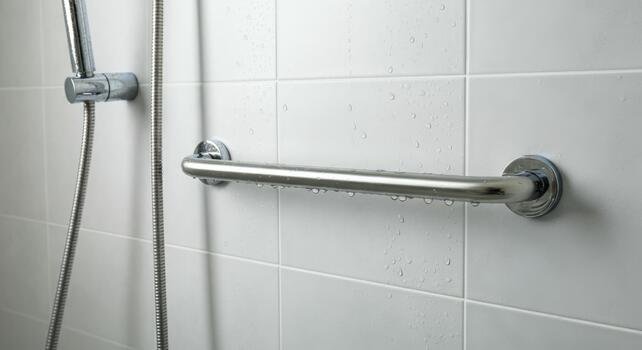
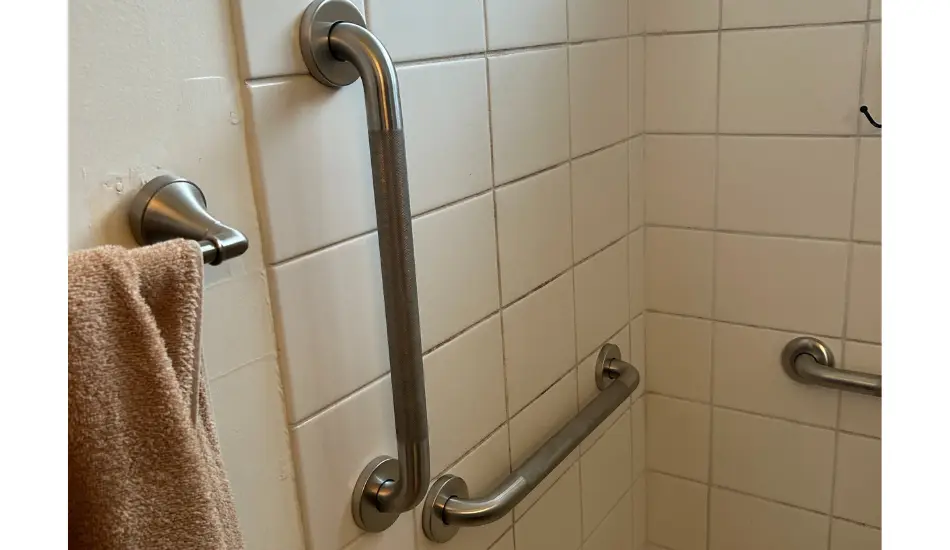
- Grab Bars: Install sturdy grab bars near the toilet, shower, and bathtub to provide support when standing or sitting. Properly anchored bars can prevent dangerous falls.
- Non-Slip Surfaces: Add non-slip mats or adhesive strips inside and outside the shower or tub.
- Walk-In Showers: Consider replacing tubs with walk-in showers for easier access. Low or no-threshold showers reduce tripping hazards.
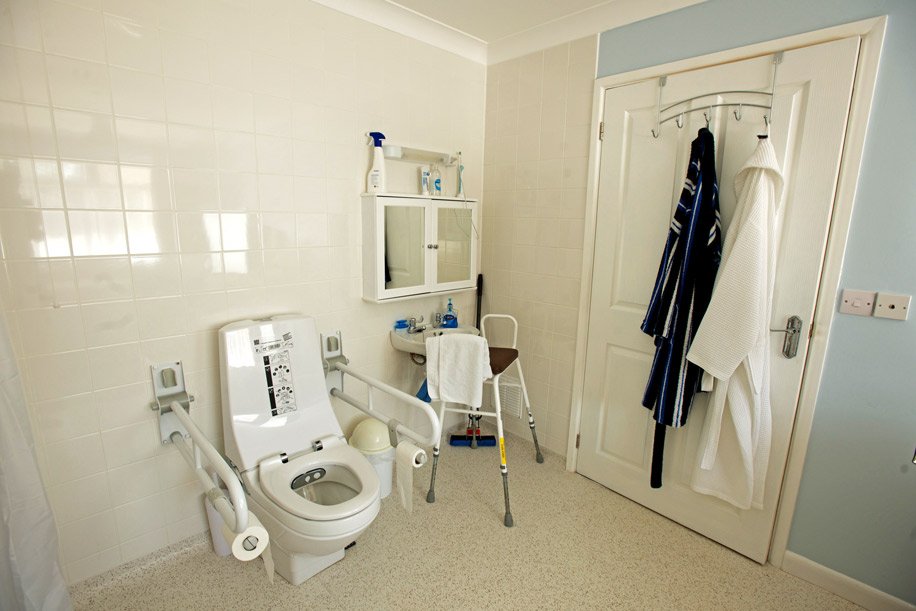
- Raised Toilet Seats: Higher toilet seats or toilet safety rails make sitting and standing less strenuous.
- Handheld Showerheads: These allow seniors to bathe while seated, reducing the risk of slipping.
For more detailed solutions, explore bathroom safety solutions for multigenerational homes to see how families can adapt shared spaces for all ages.
Simple Entryway and Hallway Adjustments
Entryways and hallways are often overlooked, but they play a crucial role in overall home accessibility. Consider these upgrades:
- Ramps: Replace steps with ramps at entrances to accommodate wheelchairs, walkers, or those with limited mobility.
- Wider Doorways: Expanding doorways to at least 32 inches allows easier passage for mobility aids.
- Lever-Style Handles: Swap out round doorknobs for lever handles, which are easier to operate for those with arthritis or limited grip strength.
- Clear Pathways: Remove clutter and secure loose rugs to prevent tripping.
For more on making living spaces safer, check out these easy home modifications for elderly safety that can be implemented throughout the house.
Kitchen and Living Space Enhancements
Everyday tasks in the kitchen and living room can be simplified with a few thoughtful changes:
- Lowered Countertops: Adjust counter heights or add pull-out shelves for easier access.
- Accessible Storage: Place frequently used items within easy reach to avoid bending or stretching.
- Sturdy Chairs: Choose chairs with armrests and firm cushions for better support.
- Smart Lighting: Install bright, glare-free lighting and motion-activated switches to reduce falls and improve visibility.
Modern technology can also play a role. Explore smart home features that support senior mobility for ideas on integrating voice controls, automated lighting, and emergency alerts.
Choosing and Installing Grab Bars: A Must-Have Upgrade
One of the most effective senior housing accessibility improvements is the installation of grab bars. These simple devices provide critical support in bathrooms and other high-risk areas. When choosing grab bars, look for models that are:
- Made of rust-resistant materials like stainless steel
- Textured or knurled for better grip
- Properly rated for weight capacity
Installation should always be into wall studs or with appropriate anchors to ensure stability. For a deeper dive into why these supports are essential, read this comprehensive guide on the importance of grab bars for seniors.
Pairing grab bars with toilet safety rails can further reduce fall risks and support independent living. For more inspiration, see these bathroom accessibility upgrades that make a difference.
Funding and Planning Your Accessibility Project
Budget is often a concern when planning home modifications. Fortunately, many accessibility improvements for seniors are affordable and can be completed in stages. Here are some tips for getting started:
- Prioritize high-risk areas like bathrooms and entryways first.
- Research local grants, nonprofit programs, or insurance coverage that may help offset costs.
- Work with licensed contractors experienced in accessibility modifications.
- Consult occupational therapists for personalized recommendations.
Planning ahead and making gradual changes can help spread out expenses and ensure a safer home environment over time.
Frequently Asked Questions
What are the most important accessibility upgrades for seniors living at home?
The most impactful changes include installing grab bars in bathrooms, adding non-slip flooring, widening doorways, and improving lighting. These upgrades address common fall risks and support greater independence.
How do I choose the right grab bars and safety rails?
Look for grab bars made from durable, rust-resistant materials with textured surfaces for grip. Ensure they are rated for the user’s weight and installed securely into wall studs. Toilet safety rails should be stable, adjustable, and easy to clean.
Are there affordable ways to make a home more accessible for seniors?
Yes, many modifications are budget-friendly. Simple changes like adding grab bars, using non-slip mats, and rearranging furniture can make a big difference. For a step-by-step approach, refer to an aging in place home improvement checklist to prioritize needs and manage costs.
Where can I find more information on home safety for older adults?
Explore resources like easy home modifications for elderly safety and bathroom safety solutions for multigenerational homes for further guidance on creating a secure and comfortable living space.
By focusing on practical, well-chosen upgrades, families can create welcoming, safe environments that allow seniors to thrive at home. Start with the essentials, consult trusted resources, and remember that even small changes can have a lasting impact on comfort and independence.