
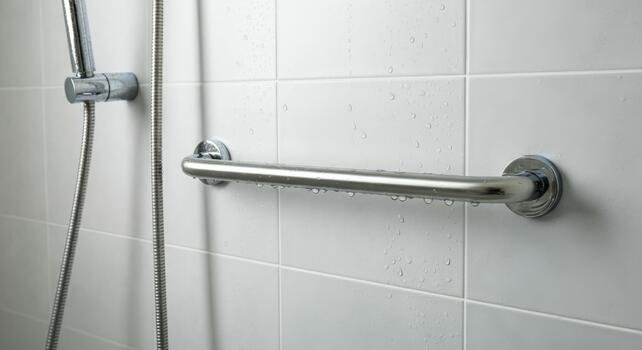
Maintaining independence and safety in the bathroom is a top priority for many older adults and those who care for them. The right bathroom assistance devices for seniors can help reduce the risk of falls, support mobility, and make daily routines more comfortable for everyone involved. Whether you’re a family caregiver or planning for your own future needs, understanding which products truly make a difference is essential.
Falls in the bathroom are a leading cause of injury among older adults. Fortunately, there are a variety of practical solutions that can transform any bathroom into a safer, more accessible space. From grab bars to raised toilet seats, these tools are designed to support balance, stability, and peace of mind. For those considering broader upgrades, resources like the bathroom safety features every senior should consider guide offer additional insights into creating a safer home environment.
Why Bathroom Safety Is Crucial for Older Adults
The bathroom is one of the most hazardous areas in any home, especially for those with limited mobility or balance challenges. Wet floors, slippery surfaces, and awkward layouts can all contribute to accidents. According to the CDC, one in four Americans aged 65+ falls each year, and many of these incidents occur in the bathroom. That’s why investing in bathroom assistance devices for seniors is not just a matter of convenience—it’s a critical step toward maintaining health and independence.
Beyond the physical risks, bathroom accidents can also have emotional consequences, leading to a loss of confidence and reluctance to perform daily self-care. By proactively installing safety equipment, families and caregivers can help seniors feel secure and empowered in their own homes.
Essential Bathroom Tools for Senior Safety
There is a wide range of products designed to address the unique needs of older adults in the bathroom. Here are some of the most effective and widely recommended options:
Grab Bars: The Foundation of Bathroom Support
Grab bars are among the most important bathroom assistance devices for seniors. These sturdy rails provide crucial support when entering or exiting the shower, standing up from the toilet, or navigating slippery floors. They come in a variety of lengths and finishes to suit different spaces and preferences.
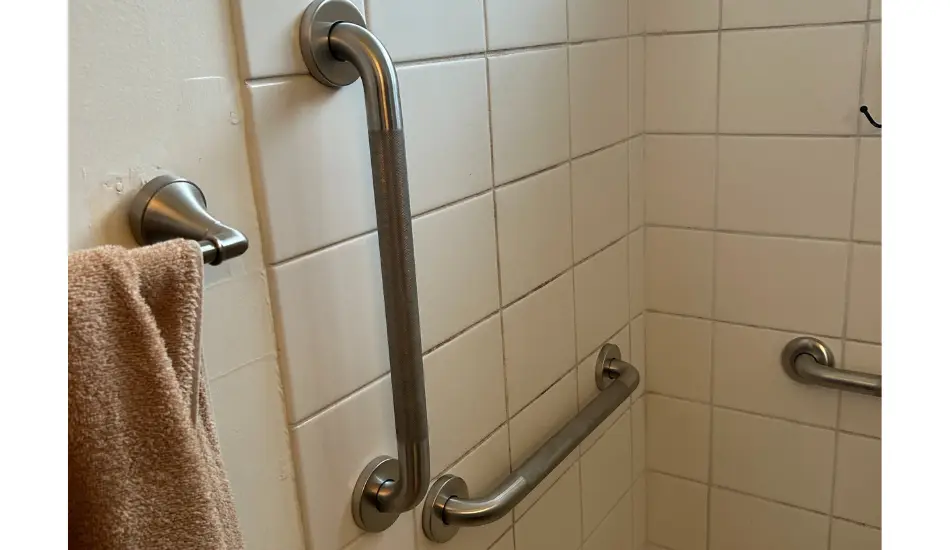
Properly installed grab bars can be life-saving. For more details on why these supports are essential, see this in-depth explanation of grab bar benefits for seniors.
When choosing grab bars, look for models that are securely anchored to wall studs and have a non-slip grip. Placement is also key—install them near the toilet, inside and just outside the shower or tub, and along any pathway where extra support is needed.
Toilet Safety Rails and Raised Seats
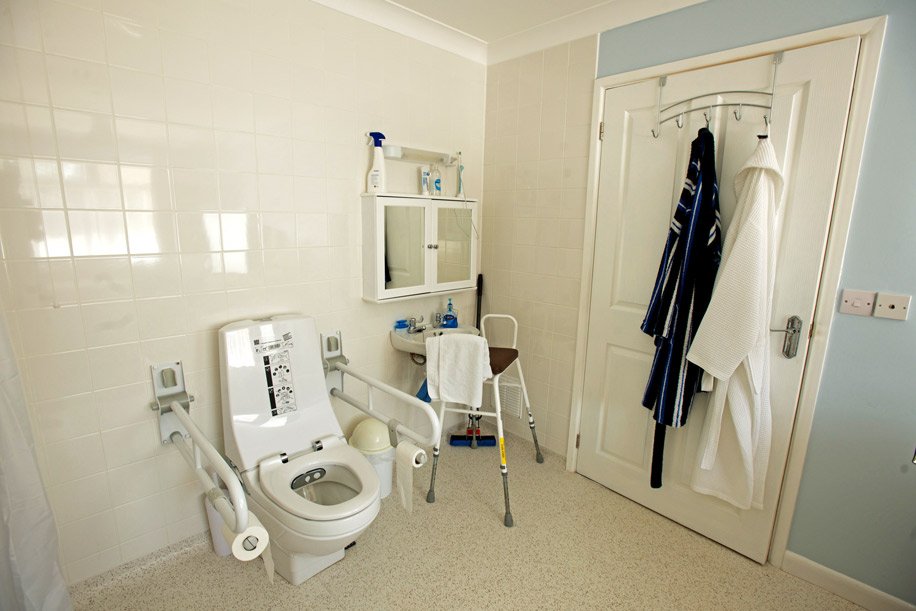
Standing up from a low toilet can be difficult for those with limited strength or joint pain. Toilet safety rails provide stable handholds on either side of the toilet, making it easier to sit and stand safely. Raised toilet seats, which add height to the existing toilet, further reduce the strain on knees and hips.
Many rails are adjustable and can be installed without permanent modifications, making them a flexible solution for renters or those who may move in the future. Raised seats are available with or without arms and can be combined with safety rails for maximum support.
Shower Chairs and Transfer Benches
For seniors who have difficulty standing for long periods or are at risk of slipping, shower chairs and transfer benches provide a safe place to sit while bathing. These devices are especially helpful for those recovering from surgery, managing chronic conditions, or who use wheelchairs.
Shower chairs are designed to be water-resistant and stable, with non-slip feet and drainage holes. Transfer benches extend outside the tub, allowing users to sit down and slide into the bathing area without stepping over a high edge. This greatly reduces the risk of falls and makes bathing more comfortable and dignified.
Non-Slip Mats and Flooring Solutions
Slippery surfaces are a leading cause of bathroom falls. Non-slip mats, adhesive strips, and textured flooring can significantly improve traction in both the shower and the main bathroom area. Choose mats with strong suction cups and ensure they are placed in all high-risk areas, including just outside the tub or shower and in front of the sink.
For those planning larger renovations, consider replacing glossy tiles with slip-resistant flooring materials. This is a long-term investment in safety that can benefit everyone in the household.
Making the Bathroom More Accessible
Beyond individual devices, there are several strategies to enhance overall accessibility in the bathroom. Widening doorways, installing lever-style faucets, and improving lighting can all contribute to a safer, more user-friendly space. For a comprehensive approach, explore the bathroom accessibility upgrades that make a difference resource.
Simple changes, such as lowering towel racks or replacing traditional doorknobs with levers, can make daily routines easier for those with arthritis or limited hand strength. Motion-activated night lights can also help prevent nighttime falls.
Tips for Choosing and Installing Bathroom Aids
Selecting the right bathroom assistance devices for seniors depends on individual needs, bathroom layout, and budget. Here are some practical tips to guide your decision:
- Assess mobility and balance: Consider whether the user needs support standing, sitting, or moving between surfaces.
- Measure carefully: Ensure devices fit the space and can be installed securely.
- Prioritize quality: Choose products from reputable brands with strong safety ratings and positive reviews.
- Consult professionals: Occupational therapists or home modification specialists can provide personalized recommendations.
- Plan for the future: Select adaptable products that can accommodate changing needs over time.
For more ideas on creating a safer home, the aging in place home improvement checklist offers a comprehensive overview of modifications that support long-term independence.
Frequently Asked Questions
What are the most important bathroom safety devices for seniors?
The most essential aids include grab bars, toilet safety rails, raised toilet seats, shower chairs, and non-slip mats. These items address the primary risks of falls and support safe movement throughout the bathroom.
How do I know which bathroom aids are right for my needs?
Start by evaluating the specific challenges faced in the bathroom, such as difficulty standing, stepping over tub edges, or maintaining balance. Consulting with a healthcare provider or occupational therapist can help identify the best solutions for your situation.
Can bathroom safety equipment be installed in rental homes?
Yes, many products—such as tension-mounted grab bars, portable shower chairs, and removable non-slip mats—do not require permanent installation and are suitable for renters. Always check with your landlord before making modifications that involve drilling or permanent fixtures.
Conclusion
Investing in the right bathroom assistance devices for seniors can make a significant difference in safety, comfort, and independence. By understanding the available options and tailoring solutions to individual needs, families and caregivers can create a bathroom environment that supports aging in place with confidence. For more inspiration and practical advice, explore resources on easy home modifications for elderly safety and bathroom safety solutions for multigenerational homes.