
Supporting the well-being of older adults and individuals with mobility challenges often starts at home. One of the most important areas to address is the bathroom, where slips and falls are a leading cause of injury. Bathroom safety education for caregivers and families is essential for reducing risks and promoting independence. Understanding common hazards, implementing practical solutions, and staying informed about best practices can make a significant difference in daily life.
Many families are searching for reliable guidance to create safer environments for their loved ones. By learning about adaptive equipment, safe routines, and accessible design, caregivers can help prevent accidents and provide peace of mind. For those interested in broader home modifications, the aging in place home improvement checklist offers a comprehensive overview of upgrades that support long-term safety and comfort.

Why Bathroom Safety Matters for Caregivers
The bathroom is one of the most hazardous spaces in any home, especially for seniors and those with limited mobility. Wet surfaces, tight spaces, and hard fixtures increase the risk of falls and injuries. According to the CDC, falls are the leading cause of injury among older adults, and a significant portion occur in the bathroom. For caregivers, understanding these risks is the first step toward creating a safer environment.
Proper bathroom safety education for caregivers empowers families to recognize potential dangers and take proactive measures. This knowledge not only helps prevent accidents but also supports the dignity and independence of those receiving care.
Common Hazards and How to Address Them
Identifying and mitigating hazards is a core component of any safety plan. Here are some of the most frequent risks found in bathrooms and practical steps to address them:
- Slippery Floors: Water from showers, sinks, or tubs can create slick surfaces. Use non-slip mats both inside and outside the tub or shower, and quickly clean up spills.
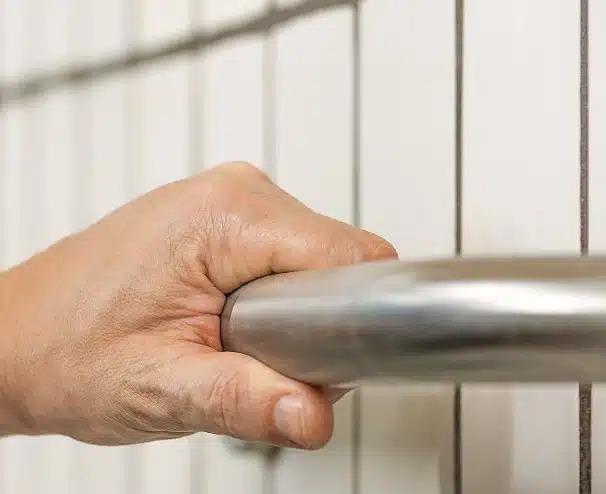
- Lack of Support: Many falls happen when individuals try to steady themselves on towel racks or unstable fixtures. Install sturdy grab bars near the toilet and in the shower or tub area for reliable support.
- Inadequate Lighting: Poor visibility increases the risk of tripping. Ensure the bathroom is well-lit, especially at night, by using bright bulbs and nightlights.
- Clutter and Obstacles: Keep pathways clear of rugs, hampers, and other items that could cause someone to trip or lose balance.
- High Tub Walls and Low Toilets: Stepping over a high tub wall or using a low toilet can be challenging. Consider installing a walk-in shower or using raised toilet seats and transfer benches.
For more inspiration on accessible design, see accessible bathroom design inspiration for practical ideas that blend safety with style.
Essential Equipment for Safer Bathrooms
Equipping the bathroom with the right tools can significantly reduce risks. Some of the most effective safety devices include:
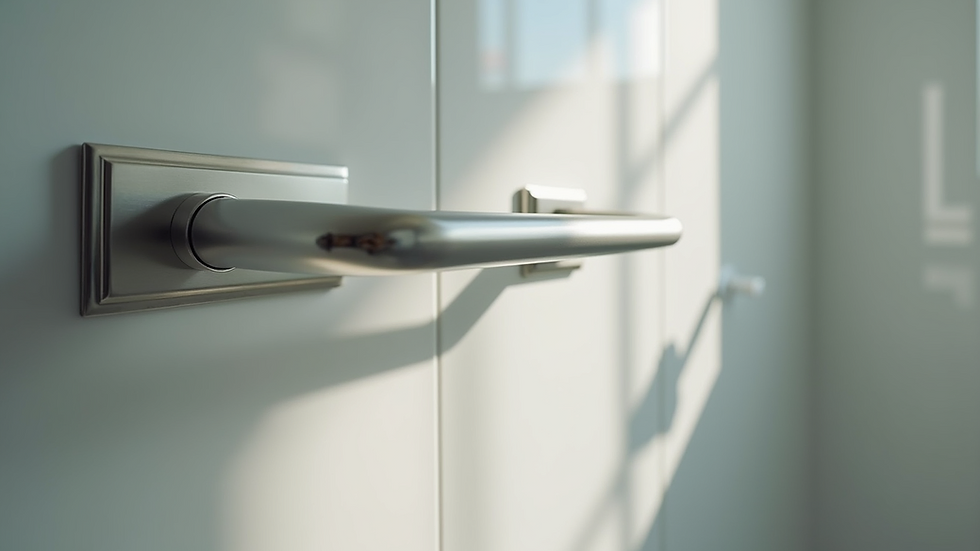
- Grab Bars: Properly installed grab bars provide stable handholds for entering and exiting the tub, shower, or toilet area. Placement is key—learn more about where to install grab bars in the bathroom for maximum benefit.
- Toilet Safety Rails: These rails make it easier and safer for individuals to sit down and stand up from the toilet, reducing strain and fall risk.
- Shower Chairs and Benches: Sitting while showering can help those with balance issues or fatigue maintain independence while staying safe.
- Handheld Showerheads: Adjustable showerheads make bathing easier for those with limited mobility and allow caregivers to assist more comfortably.
- Raised Toilet Seats: These attachments reduce the distance needed to sit or stand, making the process safer and less strenuous.
Best Practices for Caregivers: Daily Routines and Communication
Effective bathroom safety education for caregivers goes beyond equipment. Consistent routines and clear communication are vital for maintaining a secure environment. Here are some best practices to incorporate:
- Supervision When Needed: Some individuals may require assistance with bathing or toileting. Always respect privacy and dignity, but remain close enough to help if necessary.
- Routine Checks: Regularly inspect grab bars, mats, and other safety features to ensure they are secure and in good condition.
- Encourage Safe Habits: Remind loved ones to use grab bars, take their time, and avoid rushing in the bathroom.
- Open Communication: Discuss any concerns or difficulties your loved one may have. Encourage them to share if they feel unsteady or have trouble with any tasks.
- Keep Supplies Accessible: Place toiletries, towels, and other essentials within easy reach to minimize stretching or bending.
For more detailed solutions tailored to families with multiple generations, explore bathroom safety solutions for multigenerational homes.
Home Modifications and Professional Support
Sometimes, simple adjustments are not enough. In these cases, more extensive home modifications may be necessary. Options include:
- Walk-In Showers: Replacing a traditional tub with a walk-in shower eliminates the need to step over high walls and provides easier access.
- Widened Doorways: For wheelchair users or those with walkers, wider doorways improve maneuverability and reduce the risk of bumps or falls.
- Lever-Style Faucets: These are easier to operate than traditional knobs, especially for those with arthritis or limited hand strength.
- Non-Slip Flooring: Upgrading to slip-resistant tiles or vinyl can further reduce the chance of accidents.
Consulting with occupational therapists or certified aging-in-place specialists can help families identify the most effective modifications. For more information on impactful upgrades, see bathroom accessibility upgrades that make a difference.
Ongoing Education and Resources for Families
Staying informed is an ongoing process. As needs change, so should safety strategies. Caregivers and families can benefit from:
- Attending workshops or webinars on home safety and fall prevention
- Reading up-to-date guides and articles from trusted sources
- Consulting with healthcare professionals for personalized advice
- Reviewing resources like bathroom safety features every senior should consider for the latest recommendations
By keeping up with new products, techniques, and expert advice, families can ensure their loved ones remain safe and comfortable at home.
Frequently Asked Questions
What are the most important bathroom safety features for seniors?
Key features include grab bars near the toilet and shower, non-slip mats, raised toilet seats, and adequate lighting. These modifications help prevent falls and make daily routines easier for those with mobility challenges.
How can caregivers encourage loved ones to use safety equipment?
Open communication is essential. Explain the benefits of each device and demonstrate how to use them safely. Involve your loved one in the decision-making process to increase comfort and acceptance.
When should families consider professional help for bathroom modifications?
If mobility issues are significant or if falls have already occurred, consulting with an occupational therapist or home modification specialist is recommended. They can assess the space and suggest tailored solutions to maximize safety.
Are there affordable ways to improve bathroom safety?
Yes. Simple additions like non-slip mats, portable grab bars, and nightlights are cost-effective and easy to install. For more comprehensive changes, look for local programs or grants that support home safety improvements for seniors.
Conclusion
Empowering caregivers and families with bathroom safety education is one of the most effective ways to reduce accidents and promote independence at home. By understanding common hazards, using adaptive equipment, and staying informed about best practices, families can create a safer, more comfortable environment for their loved ones. Regularly reviewing and updating safety measures ensures that everyone can continue to enjoy the comfort and privacy of their own bathroom with confidence.