
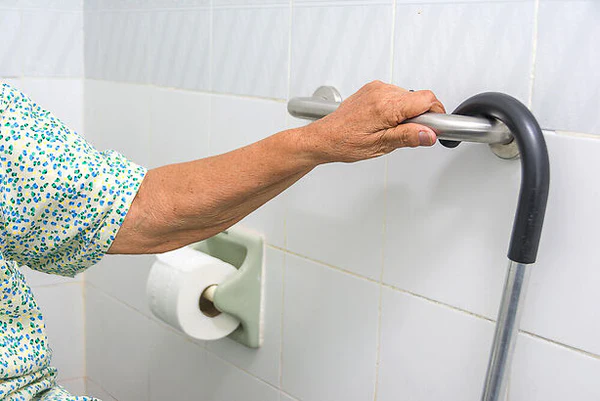
As people age, maintaining independence and safety at home becomes increasingly important. One of the most effective and affordable ways to support seniors in their daily routines is by installing grab bars. These simple devices can make a significant difference in preventing falls, promoting confidence, and enabling older adults to move around their homes more freely. In this article, we’ll explore the benefits of grab bars for elderly individuals, highlight practical installation tips, and answer common questions about their use.
For those looking to create a safer living environment, especially in bathrooms and other high-risk areas, grab bars are a proven solution. If you’re considering broader home modifications, you might also find the aging in place home improvement checklist helpful for a comprehensive approach.
Why Grab Bars Are Essential for Senior Safety
Falls are a leading cause of injury among older adults, often resulting in hospitalizations and a loss of independence. Installing grab bars provides sturdy support in critical areas like bathrooms, hallways, and near stairs. These devices offer a reliable handhold, reducing the risk of slips and giving seniors the confidence to move safely around their homes.
The advantages of grab bars for seniors extend beyond just physical support. They also contribute to peace of mind for both the individual and their loved ones, knowing that extra precautions are in place to prevent accidents.
Key Benefits of Grab Bars for Elderly Residents
Understanding the benefits of grab bars for elderly people can help families and caregivers make informed decisions about home modifications. Here are some of the top reasons to consider installing these safety features:
- Fall Prevention: Grab bars provide a secure grip, especially in wet or slippery areas like showers and bathtubs, significantly lowering the risk of falls.
- Increased Independence: With proper support, seniors can perform daily tasks such as bathing, toileting, and moving between rooms with less assistance.
- Enhanced Confidence: Knowing that sturdy handholds are available helps older adults feel more secure, encouraging them to stay active and mobile.
- Easy Installation: Most grab bars can be installed quickly and affordably, making them a practical solution for immediate safety improvements.
- Versatility: Grab bars come in various sizes and styles, allowing for customization in different parts of the home, including bathrooms, bedrooms, and entryways.
Where to Install Grab Bars for Maximum Effectiveness
To maximize the home safety benefits of grab bars, it’s important to place them in locations where support is most needed. Common areas include:
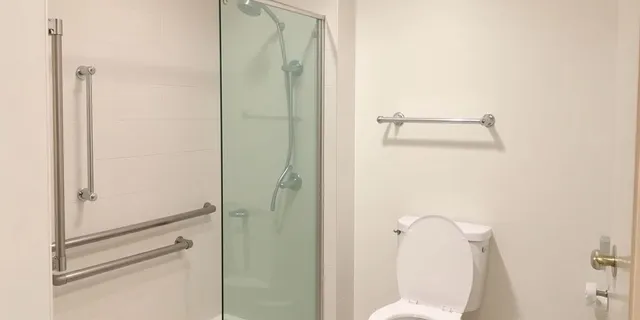
- Bathrooms: Next to toilets, inside showers, and near bathtubs are high-risk zones where extra stability is crucial.
- Hallways and Stairways: Adding grab bars along hallways or at the top and bottom of stairs can help prevent falls during transitions.
- Bedrooms: Near the bed to assist with getting in and out safely.
- Entryways: By doors or steps to provide support when entering or leaving the home.
Choosing the Right Grab Bars for Your Home
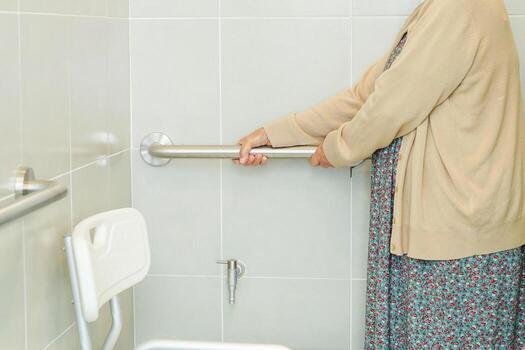
Selecting appropriate grab bars depends on the needs of the user and the layout of the home. Here are some tips for choosing the best options:
- Material: Stainless steel and heavy-duty plastic are popular for their durability and ease of cleaning.
- Grip Surface: Textured or ribbed surfaces provide better traction, especially when hands are wet.
- Length and Shape: Straight bars are common, but angled or curved designs can offer additional support in certain locations.
- Weight Capacity: Always check the manufacturer’s specifications to ensure the bar can support the user’s weight.
- Installation Method: Wall-mounted bars offer the most stability, while suction-cup models are suitable for temporary needs but may not be as secure.
For more inspiration on accessible design, see accessible bathroom design inspiration for practical ideas and real-world examples.
How Grab Bars Improve Bathroom Accessibility
The bathroom is one of the most hazardous places for seniors due to slippery surfaces and limited space. Installing grab bars can transform these areas into safer, more accessible environments. They assist with getting in and out of the shower or bathtub, standing up from the toilet, and maintaining balance while moving around.
If you’re planning a bathroom upgrade, consider reading about bathroom accessibility upgrades that make a difference for additional tips on creating a safer space for all ages.
Expert Insights on Senior Mobility and Safety
According to expert advice on bathroom grab bars and senior mobility, these devices are invaluable for reducing accidents and promoting autonomy. Occupational therapists often recommend grab bars as a first step in making homes safer for aging adults.
For those living in multigenerational households, it’s worth exploring bathroom safety solutions for multigenerational homes to ensure everyone’s needs are addressed.
Installation Tips for Maximum Security
Proper installation is crucial for ensuring grab bars provide the intended support. Here are some guidelines:
- Mount grab bars into wall studs whenever possible for maximum strength.
- Use rust-resistant screws and hardware, especially in humid environments like bathrooms.
- Position bars at heights that are comfortable and accessible for the user.
- Test the bar’s stability before regular use to ensure it can bear weight without shifting.
If you’re unsure about installation, consider hiring a professional or consulting resources like the bathroom safety features every senior should consider guide for more detailed instructions.
Frequently Asked Questions
What is the ideal location for grab bars in a bathroom?
The most effective spots are near the toilet, inside the shower or tub, and by the bathroom entrance. Placement should be based on where the user needs the most support, typically at points where they transition from sitting to standing or step over thresholds.
Are suction-cup grab bars safe for elderly users?
Suction-cup models can provide temporary support but are not as reliable as wall-mounted bars. They may lose suction over time or on uneven surfaces. For long-term safety, especially for seniors, permanently installed grab bars are recommended.
Can grab bars be installed in other areas of the home?
Absolutely. While bathrooms are the most common location, grab bars are also useful in hallways, bedrooms, and entryways—anywhere additional support is needed to prevent falls and improve mobility.
How do I choose the right grab bar for my needs?
Consider the user’s mobility, the specific area of installation, and the type of wall surface. Look for bars with a non-slip grip and ensure they meet the necessary weight capacity. Consulting with a healthcare professional can also help determine the best options.
Do grab bars require professional installation?
While many grab bars can be installed with basic tools, professional installation ensures they are securely anchored and positioned correctly. This is especially important for seniors who rely on them for daily support.
By understanding the benefits of grab bars for elderly individuals and following best practices for installation, families can create a safer, more comfortable home environment that supports independence and well-being.