
As the population ages, families and caregivers are increasingly focused on new trends in senior home safety and the evolving technologies that support independent living. Today’s solutions go far beyond traditional grab bars and night lights. Innovations in smart home devices, adaptive bathroom fixtures, and remote monitoring are transforming how older adults remain secure and comfortable at home. This article explores the latest advancements, practical upgrades, and essential resources to help you create a safer environment for seniors.
For those planning comprehensive improvements, the aging in place home improvement checklist is a valuable resource to ensure all aspects of safety and accessibility are addressed.
Smart Home Devices: A New Era in Senior Safety
One of the most significant shifts in recent years is the adoption of smart home technology tailored for older adults. Devices such as voice-activated assistants, motion-sensing lights, and automated door locks are now commonplace. These tools not only enhance convenience but also address critical safety concerns.
- Voice assistants like Amazon Alexa or Google Home allow seniors to control lights, thermostats, and security systems without needing to move around the house.
- Smart sensors can detect unusual activity, such as a fall or prolonged inactivity, and send alerts to caregivers or family members.
- Video doorbells and remote-controlled locks provide peace of mind by allowing seniors to see and communicate with visitors before opening the door.
Integrating these devices can reduce the risk of accidents and make daily routines easier, especially for those with limited mobility or cognitive challenges.
Bathroom Innovations for Enhanced Security
The bathroom remains one of the most hazardous areas for older adults. Recent advancements focus on minimizing slip and fall risks while promoting independence. Modern solutions include:
- Non-slip flooring and walk-in tubs that eliminate the need to step over high edges.
- Adjustable-height toilets and sinks for easier access.
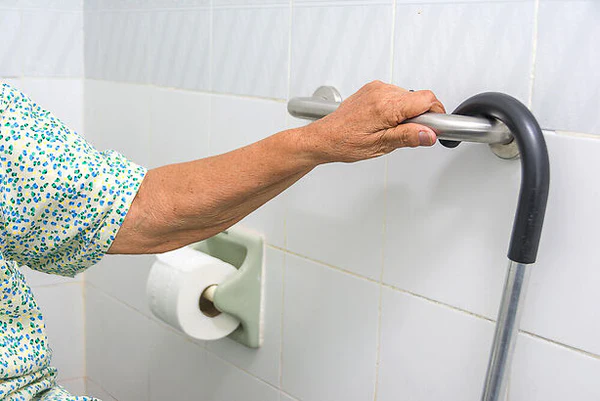
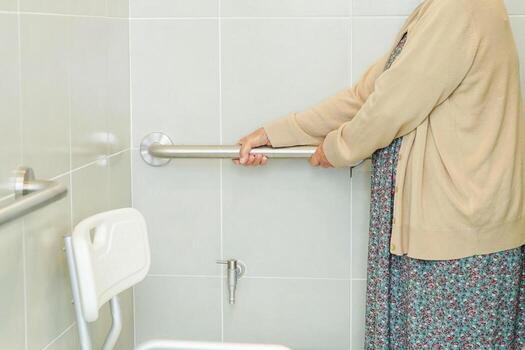
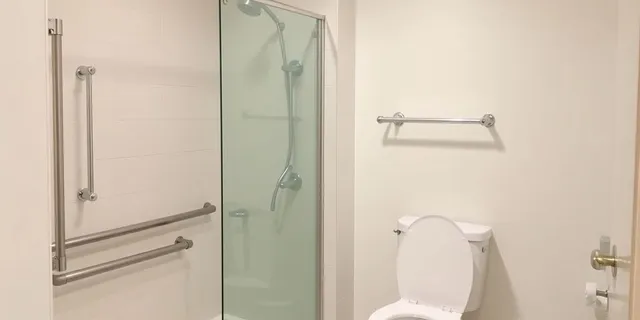
- Strategically placed grab bars and support rails for stability.
For a deeper look at how these upgrades can benefit all generations, see the bathroom safety solutions for multigenerational homes guide.
Grab bars, in particular, are a cornerstone of modern bathroom safety. According to this overview of grab bars and senior mobility, these fixtures not only prevent falls but also support confidence and autonomy for older adults.
Remote Monitoring and Emergency Response Systems
Another key development in new trends in senior home safety is the widespread use of remote monitoring and emergency alert systems. These technologies enable real-time oversight without compromising privacy or independence.
- Wearable devices with fall detection can automatically notify emergency contacts or medical services if an incident occurs.
- Home monitoring systems track movement patterns and can alert caregivers if something seems out of the ordinary, such as missed medications or unusual nighttime activity.
- Medical alert buttons are now available in discreet, waterproof designs, making them suitable for use in the shower or bath.
These solutions are especially valuable for seniors living alone or those with chronic health conditions, providing reassurance to both users and their families.
Accessible Design and Universal Upgrades
Beyond technology, physical modifications play a crucial role in reducing hazards and supporting aging in place. Universal design principles ensure that homes are accessible to everyone, regardless of age or ability. Some effective strategies include:
- Widening doorways to accommodate walkers or wheelchairs.
- Installing lever-style door handles and faucets for easier operation.
- Improving lighting throughout the home to reduce shadows and glare.
- Adding ramps or stairlifts where needed.
For more on practical changes that make a difference, the bathroom accessibility upgrades that make a difference article offers actionable tips for every budget.
Preventing Falls: The Foundation of Home Safety
Falls remain the leading cause of injury among older adults. Addressing this risk is a central theme in modern home safety strategies. Key prevention methods include:
- Removing tripping hazards such as loose rugs and electrical cords.
- Using contrasting colors for steps and thresholds to improve visibility.
- Ensuring all pathways are clear and well-lit.
- Encouraging regular vision and hearing checks.
Understanding the underlying causes of falls is essential. The understanding fall risks in older adults resource provides insights into common hazards and how to address them effectively.
For a more focused look at bathroom-related risks, bathroom safety features every senior should consider outlines must-have upgrades for this high-risk area.
Integrating Technology and Design for Holistic Safety
The most effective approach to senior home safety combines both advanced technology and thoughtful design. By layering smart devices with physical modifications, families can create environments that are not only secure but also comfortable and empowering for older adults. This holistic strategy supports both independence and peace of mind.
Staying updated on new trends in senior home safety ensures that your loved ones benefit from the latest innovations, whether it’s a simple grab bar or a fully integrated smart home system.
Frequently Asked Questions
What are the most important features to look for in senior home safety technology?
Key features include fall detection, emergency alert systems, voice-activated controls, and remote monitoring. Devices should be easy to use, reliable, and compatible with the senior’s daily routines.
How can I make a bathroom safer for an older adult?
Install non-slip flooring, grab bars, and toilet safety rails. Consider walk-in tubs or showers, and ensure lighting is bright and even. For more ideas, review the bathroom safety features every senior should consider guide.
Are smart home devices difficult for seniors to use?
Many smart home devices are designed with simplicity in mind. Voice assistants and automated systems can be set up to require minimal interaction, making them accessible even for those with limited technical experience.