
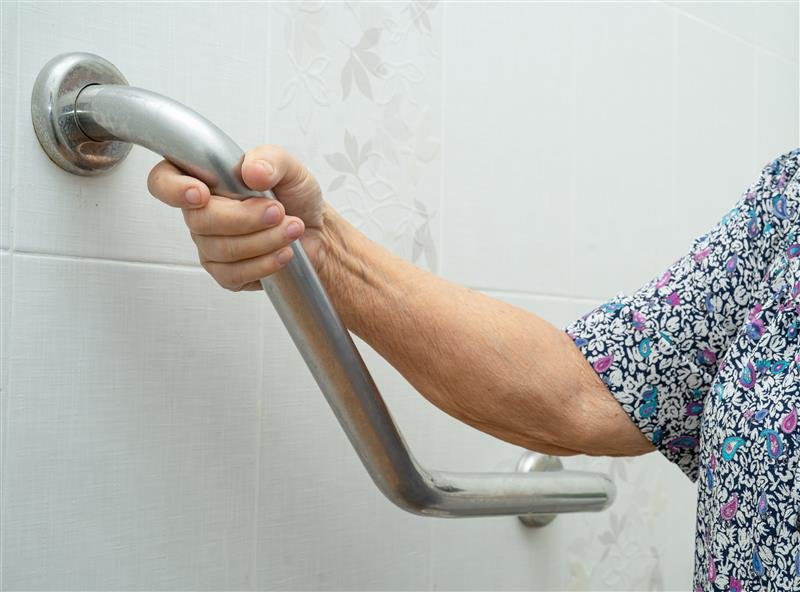
Supporting the health, safety, and independence of older adults at home is a priority for many families. As people age, their living spaces often need adjustments to ensure comfort and reduce risks. A comprehensive approach to senior wellness and home accessibility can make daily routines safer and more manageable, allowing older adults to remain in familiar surroundings with confidence.
From bathroom safety upgrades to thoughtful changes in lighting and mobility aids, there are practical steps anyone can take to create a more accessible and supportive environment. This guide outlines key considerations, room-by-room checklists, and essential products that can make a real difference for seniors and their loved ones.
For a broader look at home upgrades that support aging in place, see the aging in place home improvement checklist for additional tips and strategies.
Why Home Accessibility Matters for Senior Wellness
As mobility, vision, and strength change with age, the risk of falls and injuries increases. Ensuring that a home is accessible is not just about convenience—it’s about preventing accidents and supporting ongoing health. Features such as grab bars, non-slip flooring, and improved lighting can help seniors maintain their independence while reducing hazards.
Research shows that most falls occur in the home, especially in bathrooms and on stairs. By proactively addressing these areas, families can help older adults avoid hospitalizations and maintain their quality of life. Home accessibility is a key component of holistic senior care, supporting both physical and emotional well-being.
Room-by-Room Checklist for a Safer Home
Every area of the home presents unique challenges. Use this checklist to identify and address the most common risks and opportunities for improvement.
Bathroom Safety Upgrades
- Install grab bars near toilets and in showers to provide sturdy support.
- Use non-slip mats inside and outside the tub or shower.
- Consider a raised toilet seat or toilet safety rails for easier transfers.
- Ensure faucets are easy to turn and water temperature is regulated to prevent burns.
- Keep toiletries and towels within easy reach to avoid stretching or bending.
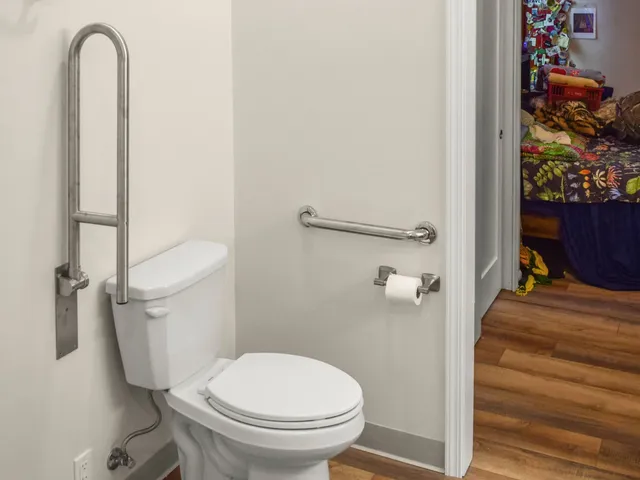
For more ideas on making bathrooms safer and more accessible, explore bathroom accessibility upgrades that make a difference.
Improving Mobility and Confidence Throughout the Home
- Remove loose rugs or secure them with non-slip backing.
- Keep pathways clear of clutter and furniture.
- Install handrails on both sides of stairways and hallways.
- Use contrasting colors for steps and thresholds to improve visibility.
- Ensure all rooms are well-lit, especially at night.
Enhancements like these can help older adults move around their homes with greater assurance. For more targeted advice, see senior mobility and confidence at home for top upgrades that support independence.
Kitchen and Living Area Adjustments
- Place frequently used items within easy reach to avoid climbing or stretching.
- Use lever-style handles on doors and cabinets for easier operation.
- Consider automatic shut-off devices for stoves and appliances.
- Arrange furniture to allow wide, clear walkways for mobility aids.
- Install anti-slip flooring in high-traffic areas.
Essential Products for Senior Wellness and Accessibility
There are many products designed to enhance safety and comfort for older adults. Some of the most effective options include:
- Grab bars and safety rails for bathrooms and hallways
- Shower chairs or benches for safer bathing
- Motion-sensor night lights to illuminate pathways
- Reachers and dressing aids to minimize bending and stretching
- Medical alert systems for emergency assistance
Grab bars, in particular, are a proven way to reduce falls and provide peace of mind. According to this guide on how grab bars improve safety for seniors in assisted living, these simple devices can make a significant difference in daily routines and overall confidence.
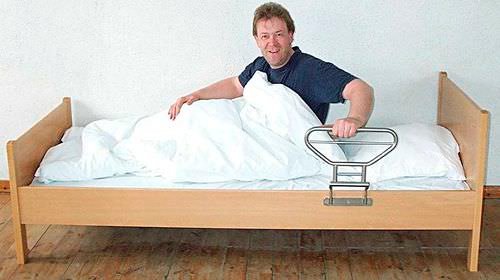
Reducing Fall Risks and Supporting Independence
Falls are a leading cause of injury among older adults, but many incidents can be prevented with thoughtful planning. Regularly reviewing the home for hazards, updating equipment, and encouraging safe habits are all part of a proactive approach. For more insights, check out understanding fall risks in older adults to learn about common dangers and prevention strategies.
In addition to physical changes, it’s important to foster a supportive environment. Encourage open conversations about needs and preferences, and involve seniors in decisions about their living space. This not only improves safety but also promotes dignity and autonomy.
Tips for Implementing Home Accessibility Changes
- Start with a thorough walk-through of the home, noting any obstacles or risks.
- Prioritize changes in high-risk areas like bathrooms and stairways.
- Seek input from occupational therapists or aging-in-place specialists if needed.
- Review and update accessibility features regularly as needs change.
- Consider both permanent and temporary solutions, depending on the situation.
For a deeper dive into creating a comfortable and accessible living environment, the article on best practices for aging in place offers additional guidance on supporting long-term wellness at home.
Frequently Asked Questions
What are the most important home modifications for senior safety?
The most critical changes include installing grab bars in bathrooms, adding handrails to stairs, improving lighting, and removing tripping hazards. These updates address the most common sources of falls and injuries for older adults.
How can I make a bathroom safer for an older adult?
Use non-slip mats, install grab bars near the toilet and in the shower, consider a raised toilet seat or safety rails, and keep essentials within easy reach. These steps help prevent slips and support safe transfers.
Are there affordable options for improving home accessibility?
Yes, many effective solutions—such as grab bars, night lights, and non-slip rugs—are budget-friendly and easy to install. Start with the highest-risk areas and make incremental changes as needed.
Where can I find more information about aging in place upgrades?
Resources like the aging in place home improvement checklist and bathroom accessibility upgrades that make a difference provide detailed advice and product recommendations for creating a safer home.
Taking a proactive approach to senior wellness and home accessibility empowers older adults to live more safely and comfortably. With the right modifications and ongoing attention, families can create supportive environments that foster independence and peace of mind.