
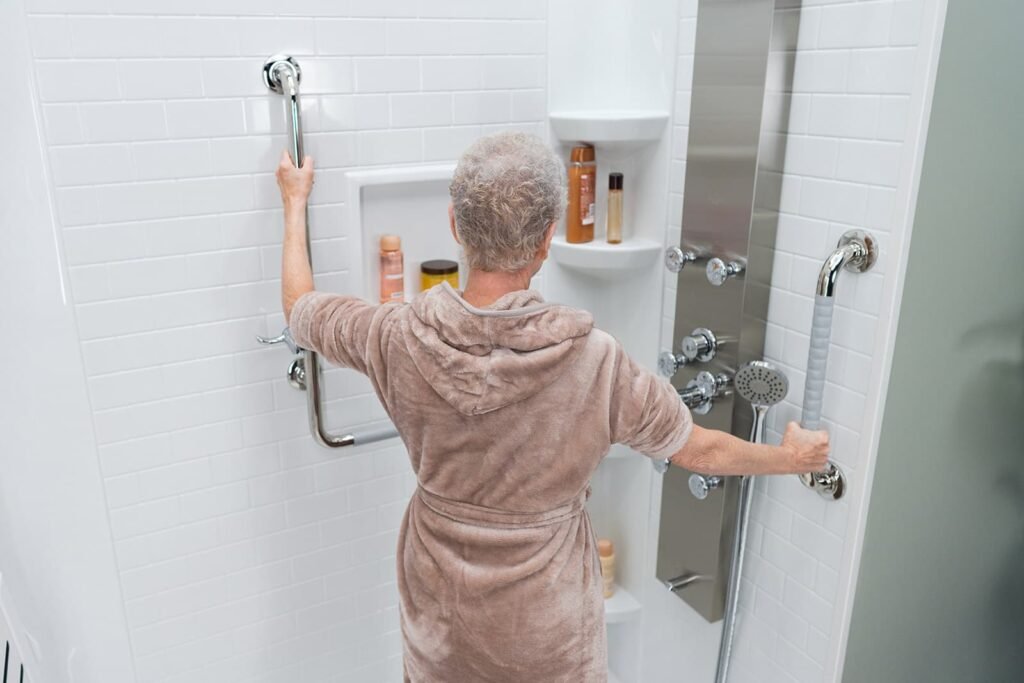
As more older adults choose to remain in their homes as they age, the importance of smart home features that support senior mobility has never been greater. Advances in home technology and thoughtful design can help seniors maintain independence, reduce fall risks, and enjoy greater comfort. From automated lighting to accessible bathroom upgrades, these solutions are transforming daily life for those who want to age in place safely.
Understanding which upgrades make the biggest impact is key. Many families are now exploring options that combine convenience, safety, and adaptability. If you’re considering improvements for yourself or a loved one, it’s helpful to start with a comprehensive resource like the aging in place home improvement checklist to identify priorities and plan effectively.
Why Accessibility Upgrades Matter for Seniors
Mobility challenges are a common concern as people age. Everyday tasks like bathing, cooking, or moving between rooms can become more difficult. By integrating mobility-supporting smart home features, seniors can reduce their reliance on others and stay safer at home. These upgrades also offer peace of mind for caregivers and family members, knowing that loved ones have the support they need.
Falls remain one of the leading causes of injury among older adults. Simple modifications—such as grab bars, non-slip flooring, and smart lighting—can dramatically lower the risk. For a deeper look at how to address these hazards, see our guide on understanding fall risks in older adults.
Essential Smart Home Features for Enhanced Mobility
Modern technology offers a range of solutions tailored to the needs of seniors. Here are some of the most effective smart home features that support senior mobility and independence:
- Voice-Activated Assistants: Devices like Amazon Alexa or Google Home allow seniors to control lights, thermostats, and even call for help using simple voice commands.
- Automated Lighting: Motion-sensor lights in hallways, bathrooms, and entryways help prevent trips and falls, especially at night.
- Smart Door Locks: Keyless entry systems make it easier for those with limited dexterity to enter and exit the home securely.
- Remote-Controlled Window Shades: Motorized blinds can be adjusted with the touch of a button or a voice command, eliminating the need to reach or stretch.
- Medical Alert Systems: Wearable devices or wall-mounted buttons can quickly connect seniors with emergency services if needed.
Bathroom Safety: A Top Priority for Aging in Place
The bathroom is often the most hazardous room in the house for those with mobility issues. Installing grab bars and toilet safety rails can make a significant difference in preventing slips and falls. These features are easy to add and provide immediate benefits.
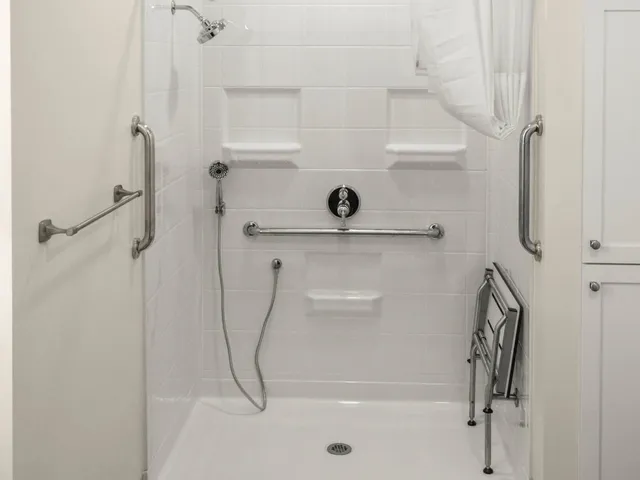
For those looking to make more comprehensive changes, consider walk-in tubs, non-slip mats, and raised toilet seats. These upgrades are discussed in detail in our article on bathroom accessibility upgrades that make a difference.
How Technology Supports Daily Living for Seniors
Beyond the bathroom, smart technology can be integrated throughout the home to support mobility and safety. For example, automated medication dispensers help ensure that prescriptions are taken on time, while video doorbells allow seniors to see and communicate with visitors without opening the door.
Home monitoring systems can alert caregivers to unusual activity or emergencies. These systems are especially valuable for those living alone. By combining these tools with physical upgrades, seniors can enjoy a safer, more manageable living environment.
Choosing the Right Mobility Solutions
When selecting smart home features that support senior mobility, it’s important to consider individual needs and preferences. Some may benefit most from simple modifications, while others require more advanced technology. Consulting with occupational therapists or home safety experts can help identify the best options.
It’s also wise to prioritize upgrades that are easy to use and maintain. Features that require minimal learning or upkeep are more likely to be used consistently and effectively.
Grab Bars and Toilet Rails: Simple Upgrades, Big Impact
Grab bars and toilet safety rails are among the most recommended additions for seniors. They provide stable support when standing, sitting, or moving between surfaces. According to this comprehensive overview of grab bars for elderly safety, proper placement and installation are crucial for effectiveness.

These devices are not only affordable but also easy to install in most homes. They can be placed near toilets, showers, bathtubs, and even along hallways for added security. For more ideas on creating a safe and comfortable environment, see our article on senior mobility and confidence at home.
Integrating Smart Features with Traditional Modifications
While technology plays a big role, traditional home modifications remain essential. Combining smart devices with physical upgrades—like ramps, widened doorways, and lever-style door handles—creates a holistic approach to accessibility. This blend ensures that seniors can navigate their homes with confidence, regardless of their specific mobility challenges.
Routine assessments and updates are recommended as needs change over time. For practical tips on maintaining comfort and safety, read our guide on best practices for aging in place.
Frequently Asked Questions
What are the most important smart home features for seniors with mobility issues?
The most impactful features include voice-activated assistants, motion-sensor lighting, grab bars, toilet safety rails, and smart door locks. These upgrades help reduce fall risks and make daily tasks easier to manage.
How do grab bars and toilet safety rails improve bathroom safety?
Grab bars and toilet safety rails provide sturdy support for standing, sitting, and moving within the bathroom. They help prevent slips and falls, which are common in wet or slippery environments, and are easy to install in most homes.
Can smart home technology be combined with traditional accessibility upgrades?
Yes. Integrating smart devices with modifications like ramps, non-slip flooring, and widened doorways creates a comprehensive approach to home safety and accessibility for seniors.
Conclusion
Investing in smart home features that support senior mobility is a practical way to promote independence, safety, and well-being for older adults. By combining technology with thoughtful design, families can create homes that adapt to changing needs and enable seniors to age in place with confidence. Whether starting with simple upgrades or planning a full renovation, these solutions offer lasting benefits for everyone involved.