
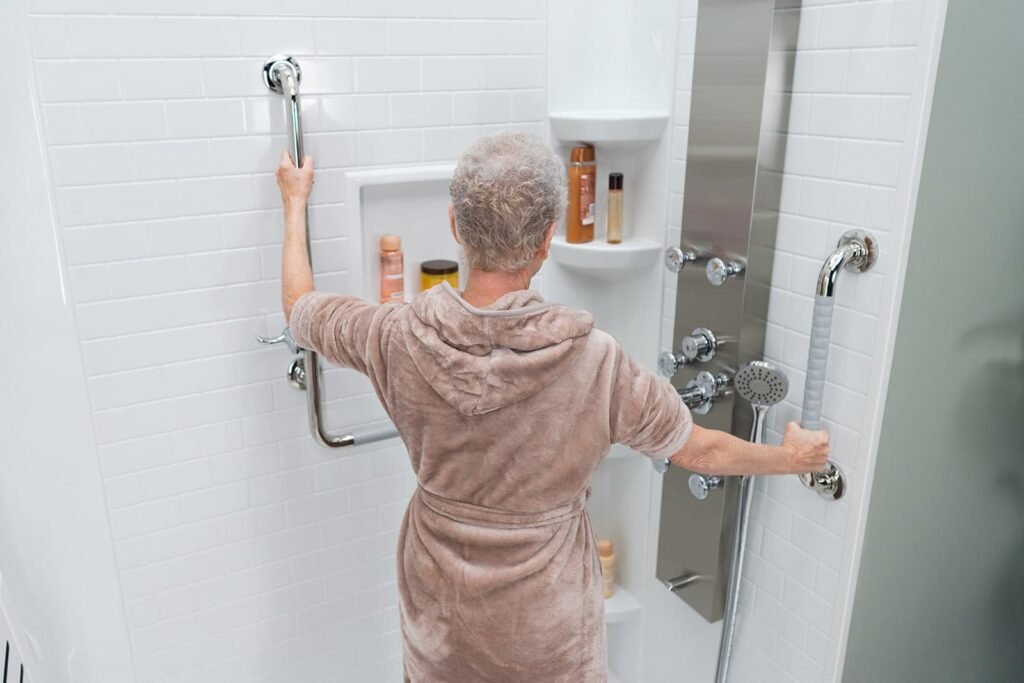
Creating a safer living environment is one of the most important steps families can take to support older adults who wish to remain independent. As we age, our needs change, and so do the risks within our homes. Adding the best home safety features for seniors can significantly reduce accidents, promote confidence, and make daily routines easier for everyone involved.
From simple modifications like grab bars to more comprehensive upgrades, there are many ways to make a home more accessible and secure. If you’re looking for a practical starting point, the aging in place home improvement checklist offers a thorough overview of essential improvements for older adults. In this article, we’ll explore the most effective safety upgrades to consider this year, focusing on solutions that address common hazards and support independent living.
Why Prioritize Home Safety for Older Adults?
Falls and injuries are a leading cause of emergency room visits among seniors. Many of these incidents happen at home, often due to slippery surfaces, poor lighting, or inaccessible fixtures. By proactively adding essential safety features for seniors, families can help prevent accidents and support aging in place with dignity and comfort.
Home modifications not only reduce risks but also boost confidence and independence. Even small changes—like installing grab bars or improving lighting—can make a significant difference in daily life.
Top Home Safety Upgrades for Seniors
Let’s look at the most impactful improvements to consider for a safer, more accessible home environment.
1. Grab Bars and Handrails: Essential Support in Key Areas
One of the most recommended home safety features for seniors is the installation of sturdy grab bars and handrails. These provide reliable support in areas where slips and falls are most likely, such as bathrooms, hallways, and staircases.
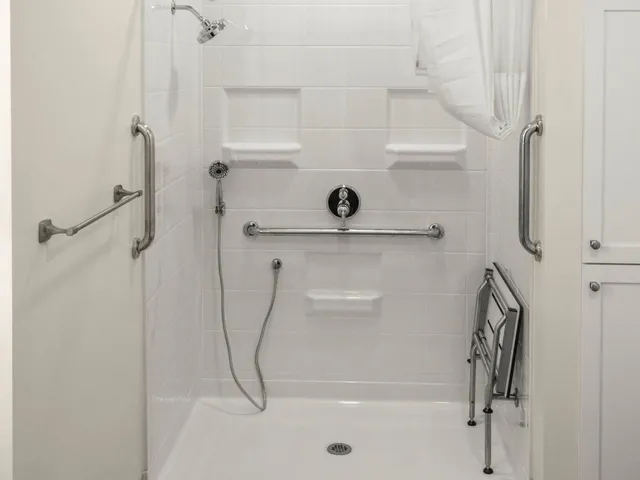
Grab bars should be installed near toilets, inside and outside bathtubs or showers, and along stairways. For more guidance on choosing and installing these supports, check out this comprehensive guide to grab bars for elderly adults.
2. Non-Slip Flooring and Mats: Preventing Slips and Falls
Slippery surfaces are a major hazard for older adults. Upgrading to non-slip flooring in bathrooms, kitchens, and entryways can dramatically reduce fall risk. In addition, non-slip mats should be placed in the shower, bathtub, and by the sink. These simple additions are among the best home safety features for seniors because they address one of the most common causes of injury.
When selecting mats, look for options with strong grip backing and beveled edges to prevent tripping. Regularly check for wear and replace as needed to maintain effectiveness.
3. Improved Lighting: Enhancing Visibility Throughout the Home
Poor lighting can make it difficult to spot obstacles or changes in floor level. Upgrading to brighter, energy-efficient LED bulbs and adding night lights in hallways, bathrooms, and bedrooms can make a big difference. Motion-sensor lights are especially helpful for nighttime trips to the bathroom or kitchen.
Consider adding additional light fixtures in areas where shadows are common, such as stairwells and closets. Well-lit spaces help seniors move confidently and safely throughout their homes.
4. Accessible Bathroom Modifications
The bathroom is a frequent site of accidents for older adults. Beyond grab bars, consider other bathroom accessibility upgrades that make a difference, such as:
- Walk-in showers or tubs with low thresholds
- Handheld showerheads for easier bathing
- Raised toilet seats or toilet safety rails for easier transfers
- Lever-style faucet handles for easier grip
For more ideas, see our detailed article on bathroom accessibility upgrades that make a difference.

5. Easy-Access Storage and Organization
Reaching for items on high shelves or bending to access low cabinets can be risky for seniors. Adjusting storage so that everyday items are within easy reach helps prevent overexertion and falls. Pull-out shelves, lazy Susans, and labeled containers can make kitchens and bathrooms safer and more user-friendly.
6. Doorway and Entryway Adjustments
Narrow doorways and high thresholds can be challenging for those using mobility aids. Widening doorways, installing ramps, and removing trip hazards at entrances can greatly improve accessibility. Lever-style door handles are also easier to operate than traditional knobs, especially for those with arthritis or limited hand strength.
7. Emergency Response Systems and Smart Technology
Modern technology offers valuable tools for senior safety. Medical alert systems, smart doorbells, and voice-activated assistants can provide peace of mind for both seniors and caregivers. These devices allow for quick communication in case of an emergency and can be integrated into daily routines for added convenience.
Additional Tips for a Safer Home Environment
- Remove clutter and loose rugs that could cause tripping.
- Secure electrical cords along walls and out of walkways.
- Install smoke and carbon monoxide detectors on every level of the home.
- Schedule regular home safety assessments to identify new risks as needs change.
Understanding the specific fall risks in older adults can help you prioritize which modifications will have the greatest impact.
Frequently Asked Questions
What are the most important safety features to add for seniors living at home?
Key upgrades include installing grab bars and handrails, using non-slip mats, improving lighting, and making bathrooms more accessible. These changes target the most common sources of falls and injuries.
How can I make a bathroom safer for an older adult?
Focus on adding grab bars near the toilet and in the shower, using non-slip mats, installing a raised toilet seat, and considering a walk-in shower or tub. Lever-style faucets and handheld showerheads also improve ease of use.
Are there affordable ways to improve home safety for seniors?
Yes, many effective modifications are budget-friendly. Installing grab bars, using non-slip mats, and adding night lights are low-cost changes that offer significant safety benefits. Regularly reviewing and decluttering spaces can also help prevent accidents.
Conclusion
Enhancing home safety for older adults is a proactive way to support independence and well-being. By focusing on practical upgrades—such as grab bars, improved lighting, and accessible storage—you can create a secure and comfortable environment. For a comprehensive approach, explore our resources on improving quality of life through accessibility and consult with professionals as needed. Taking these steps today can help seniors enjoy their homes with greater confidence and peace of mind.