
Creating a secure and accessible home environment is essential for promoting elderly wellness through safer living spaces. As people age, their mobility, balance, and strength can decrease, making everyday activities more challenging and increasing the risk of accidents. Thoughtful modifications and practical upgrades can help seniors maintain independence, reduce hazards, and support their overall well-being.
Families, caregivers, and older adults themselves are increasingly seeking ways to adapt homes for greater safety and comfort. From installing grab bars to reorganizing high-traffic areas, these changes can make a significant difference in quality of life. For those looking for a comprehensive approach, resources like the aging in place home improvement checklist provide actionable steps to assess and improve home safety.
Why Safe Living Spaces Matter for Senior Health
Falls and injuries are among the leading causes of hospitalization for older adults. According to the CDC, millions of seniors experience falls each year, often resulting in serious consequences such as fractures or loss of independence. By focusing on safer living spaces, families can help prevent these incidents and support healthy aging at home.
Environmental hazards—like slippery floors, poor lighting, and clutter—can be addressed with targeted improvements. These changes not only reduce the risk of accidents but also foster confidence and autonomy for seniors. For couples or individuals wishing to remain in their homes as they age, prioritizing safety is a key component of long-term wellness.
Key Home Modifications for Elderly Wellness
Adapting the home environment is a proactive way to support wellness for seniors. Here are some of the most effective modifications:
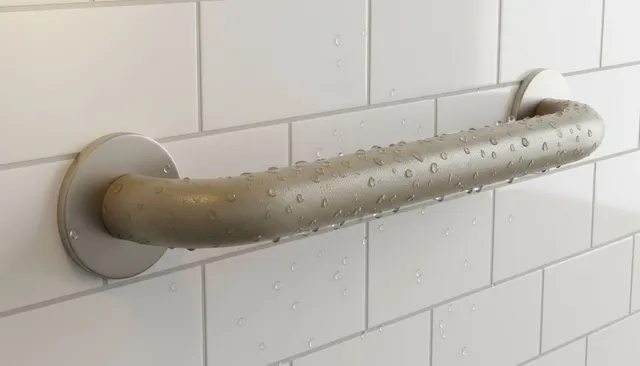
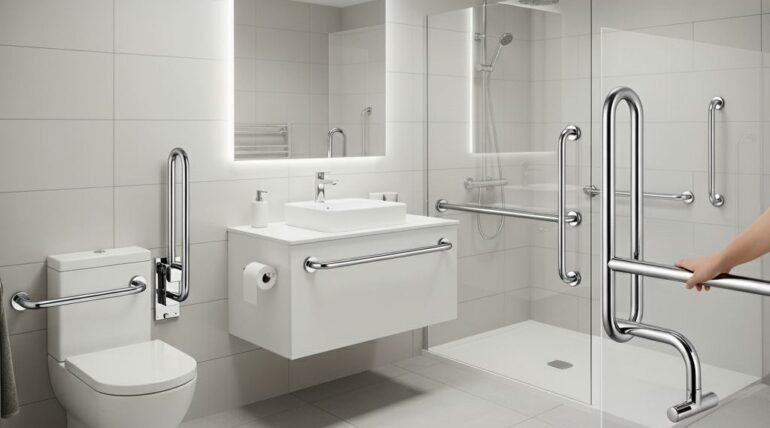
- Grab Bars and Handrails: Installing sturdy grab bars in bathrooms, hallways, and near stairs provides essential support for balance and mobility.
- Non-Slip Flooring: Replacing or treating slippery surfaces with non-slip materials reduces the risk of falls, especially in kitchens and bathrooms.
- Improved Lighting: Bright, glare-free lighting in all rooms and hallways helps seniors see obstacles and navigate safely.
- Accessible Storage: Lowering shelves and organizing frequently used items within easy reach minimizes the need for stretching or climbing.
- Wider Doorways: Expanding doorways and removing thresholds can accommodate mobility aids such as walkers and wheelchairs.
For a deeper look at practical upgrades, the article on home safety for elderly couples explores essential modifications that benefit both individuals and families.
Bathroom Safety: A Top Priority
The bathroom is one of the most hazardous areas for seniors due to wet surfaces and limited space. Installing grab bars and safety rails is a proven way to enhance stability and prevent slips. According to experts, grab bars should be placed near toilets, inside showers, and along bathtubs for optimal support. For more detailed advice, see this guide on where to install grab bars in the bathroom.
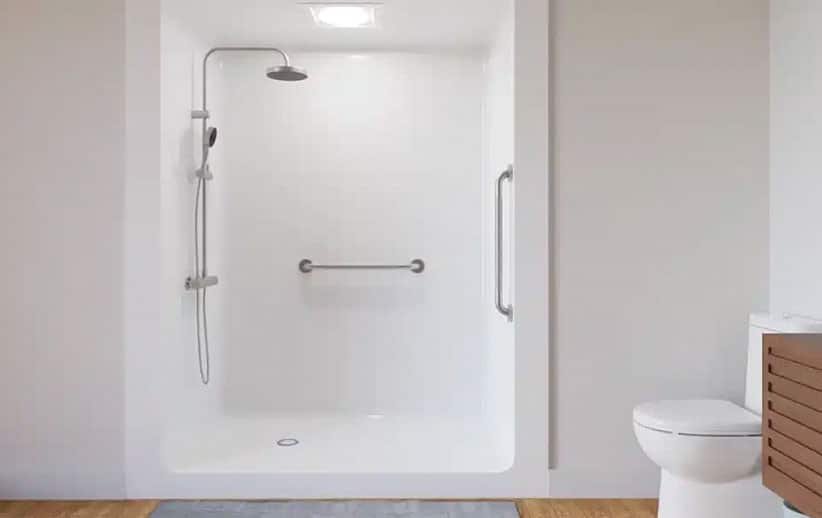
Other helpful bathroom upgrades include:
- Raised toilet seats for easier transfers
- Walk-in showers with low or no threshold
- Non-slip mats and flooring
- Handheld showerheads for flexible use
For more organization tips, check out senior bathroom organization tips to make daily routines smoother and safer.
Reducing Fall Risks Throughout the Home
Falls are not limited to the bathroom. Living rooms, bedrooms, and entryways can also present hazards. To support elderly wellness through safer living spaces, consider these strategies:
- Remove loose rugs and secure carpets to prevent tripping
- Keep walkways clear of clutter and electrical cords
- Arrange furniture to allow wide, unobstructed paths
- Install nightlights in hallways and bedrooms
- Use contrasting colors to highlight steps and edges
Understanding the specific risks faced by older adults is crucial. The article on understanding fall risks in older adults provides valuable insights on identifying and addressing common hazards.
Planning for Long-Term Independence
Home modifications are most effective when they anticipate future needs. Even if a senior is currently mobile, planning ahead for changing abilities can prevent emergencies and costly renovations later. Consider consulting with occupational therapists or home safety specialists to evaluate the living space and recommend personalized solutions.
For those considering a broader range of upgrades, the guide on retirement home safety modifications outlines essential projects to complete this year for lasting peace of mind.
Simple Daily Habits That Support Safety
Beyond physical changes to the home, daily routines and habits play a vital role in maintaining safety and well-being. Encourage seniors to:
- Wear supportive, non-slip footwear indoors
- Use mobility aids as recommended by healthcare providers
- Keep emergency contact information easily accessible
- Stay hydrated and maintain a balanced diet to support strength and balance
- Schedule regular vision and hearing checks
Combining these habits with a thoughtfully adapted home environment creates a strong foundation for aging in place with confidence.
Frequently Asked Questions
What are the most important safety features to add for seniors living at home?
Key features include grab bars in bathrooms, non-slip flooring, improved lighting, and clear, uncluttered pathways. These modifications address the most common causes of falls and injuries among older adults.
How do grab bars improve safety in the bathroom?
Grab bars provide stable support for sitting, standing, and moving in and out of showers or bathtubs. They help prevent slips on wet surfaces and make it easier for seniors to maintain balance during daily routines.
When should families start making home modifications for elderly loved ones?
It’s best to begin planning before mobility or health issues become urgent. Early modifications allow seniors to adjust gradually and ensure the home remains safe and accessible as needs change over time.