
Ensuring a safe bathroom environment is a top priority for anyone caring for older adults, individuals with disabilities, or loved ones recovering from injury. The bathroom is one of the most hazardous areas in the home, with slippery surfaces and hard fixtures increasing the risk of falls and injuries. A thorough bathroom safety checklist for caregivers helps identify potential hazards and implement practical solutions to protect those in your care.
This guide covers essential steps, recommended equipment, and actionable tips to create a safer bathroom. Whether you are a family member or a professional caregiver, following these guidelines can significantly reduce the risk of accidents and make daily routines more manageable for everyone involved.

For those interested in a broader approach to home safety, you may also find valuable insights in our article on home safety for elderly couples, which explores essential upgrades throughout the house.
Why a Bathroom Safety Assessment Matters
Bathrooms present unique risks due to wet floors, limited space, and the need for frequent transfers in and out of tubs, showers, and toilets. According to the CDC, falls are the leading cause of injury among older adults, and many of these incidents occur in the bathroom. A proactive approach using a bathroom safety checklist for caregivers can help prevent injuries, promote independence, and provide peace of mind for both caregivers and families.
Beyond physical safety, making thoughtful modifications can also support dignity and comfort for those with mobility challenges or medical conditions.
Key Elements of a Comprehensive Bathroom Safety Checklist
To create a safer bathroom, consider the following areas and recommended actions:
- Flooring: Ensure all surfaces are non-slip. Use bath mats with rubber backing and promptly clean up any water spills.
- Grab Bars and Support Rails: Install sturdy grab bars near the toilet, shower, and bathtub to assist with transfers and balance. For guidance on placement and types, see this room-by-room guide to grab bars.
- Lighting: Provide bright, glare-free lighting. Nightlights can help with nighttime navigation.
- Shower and Tub Access: Use shower chairs, transfer benches, and handheld showerheads to improve safety and comfort.
- Toilet Modifications: Raised toilet seats and safety rails make sitting and standing easier and safer.
- Clutter Reduction: Keep floors clear of obstacles and store toiletries within easy reach to minimize bending or stretching.
- Water Temperature: Set water heater thermostats to a safe level (below 120°F/49°C) to prevent burns.
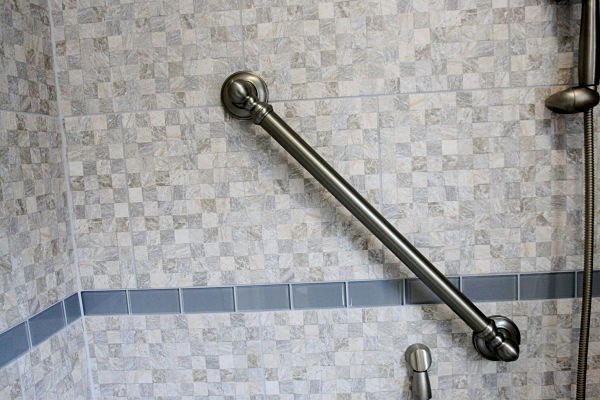
Grab Bars and Support Rails: Essential for Fall Prevention
One of the most effective ways to enhance bathroom safety is by installing grab bars and support rails. These devices provide stable handholds for individuals with limited mobility or balance issues. When choosing grab bars, look for models that are securely anchored to wall studs and have a textured grip for added security. Consider placing them:
- Vertically or horizontally near the shower entrance
- Inside the shower or tub area
- Beside the toilet for assistance with sitting and standing
Support rails come in various styles, including floor-to-ceiling poles and fold-down models. For a detailed comparison of support rails and other mobility aids, see our article on support rails vs other mobility aids.
Shower and Bathtub Modifications for Safer Bathing
Bathing can be particularly challenging for those with limited strength or balance. To minimize risks:
- Install a sturdy shower chair or transfer bench to allow seated bathing
- Use a handheld showerhead for easier rinsing and less movement
- Apply non-slip strips or mats to the tub or shower floor
- Keep soap, shampoo, and towels within arm’s reach
For homes with walk-in tubs or curbless showers, ensure that thresholds are low and easy to cross. These upgrades can make a significant difference in both safety and comfort.
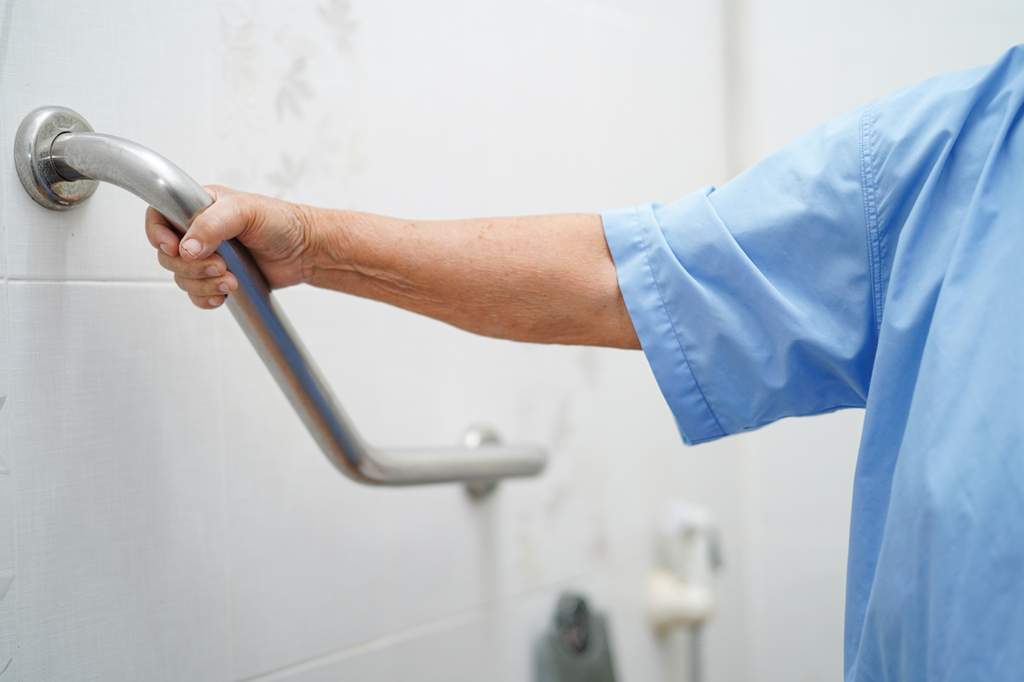
Toilet Safety: Rails, Raised Seats, and Accessibility
Transferring on and off the toilet is a common source of falls. To address this risk:
- Install toilet safety rails on both sides for stable support
- Use a raised toilet seat to reduce the distance needed to sit or stand
- Ensure toilet paper and hygiene supplies are easily accessible
These modifications can make toileting safer and more dignified for those with mobility challenges. For more comprehensive strategies, explore our guide on senior injury prevention at home.
Lighting and Visibility: Preventing Nighttime Accidents
Poor lighting increases the risk of slips and falls, especially at night. Install bright, energy-efficient bulbs and add nightlights along the path to the bathroom. Motion-activated lights can further improve safety for those who may have trouble finding switches in the dark.
Reducing Wet Floor Hazards
Slippery floors are a leading cause of bathroom injuries. To reduce this risk:
- Use absorbent, non-slip bath mats outside the tub and shower
- Wipe up water spills immediately
- Consider anti-slip coatings for tile or vinyl floors
For more solutions, see our in-depth article on wet floor safety solutions for modern bathrooms.
Routine Maintenance and Ongoing Safety Checks
Regularly inspect all safety equipment and fixtures to ensure they remain secure and functional. Check grab bars, rails, and mats for signs of wear or looseness. Replace any damaged items promptly. Encourage open communication between caregivers and those being cared for to address new concerns as they arise.
Additional Tips for Caregivers and Families
- Keep emergency contact information posted in the bathroom
- Consider installing an emergency alert button or pull cord
- Store cleaning products and medications out of reach or in locked cabinets
- Encourage independence while providing supervision as needed
Making these adjustments not only improves safety but also supports confidence and autonomy for those who need extra support.
Frequently Asked Questions
What are the most important items to include in a bathroom safety checklist?
The most critical items are non-slip flooring, securely installed grab bars, adequate lighting, toilet safety rails, and clutter-free pathways. Regularly checking these features ensures ongoing safety for everyone using the bathroom.
How often should caregivers review and update bathroom safety measures?
It’s best to review safety measures at least every six months or whenever there is a change in mobility, health status, or living arrangements. Immediate updates should be made after any fall or near-miss incident.
Are there affordable options for making bathrooms safer?
Yes, many safety upgrades are budget-friendly. Non-slip mats, portable grab bars, and raised toilet seats are cost-effective solutions. For more extensive modifications, look for local programs or grants that assist with home safety improvements.
Conclusion
Implementing a bathroom safety checklist for caregivers is a proactive way to reduce risks and enhance quality of life for those in your care. By focusing on slip prevention, proper support, and routine maintenance, you can create a safer, more accessible bathroom for everyone. For further reading on making homes safer and more comfortable, explore our guide on senior home safety essentials for independent living.