
Supporting older adults at home requires a proactive approach to safety. Among the most pressing concerns is the risk of falls, which can lead to serious injuries and loss of independence. For those providing care, knowing where to find fall prevention resources for caregivers is essential for creating a safer living environment and reducing anxiety for both families and their loved ones.
This article offers a practical overview of available tools, expert guidance, and actionable steps to help minimize fall risks. Whether you are a family member, a professional caregiver, or simply want to make a home safer for aging relatives, you’ll find valuable information here to guide your decisions.

For those interested in a broader approach to home modifications, our guide on home safety for elderly couples explores essential upgrades that benefit all household members.
Why Falls Are a Serious Concern for Older Adults
Falls are the leading cause of injury among seniors. According to the CDC, one in four Americans aged 65+ falls each year, and the consequences can be severe—ranging from fractures and head injuries to a decline in confidence and mobility. Many falls are preventable with the right strategies and support systems in place.
Understanding the main risk factors is the first step. These include:
- Muscle weakness and balance problems
- Medication side effects
- Poor vision or hearing
- Cluttered or poorly lit living spaces
- Slippery surfaces, especially in bathrooms and kitchens
Essential Fall Prevention Resources for Caregivers
A wide range of fall prevention resources for caregivers are available to help reduce hazards and promote independence. These resources include educational materials, home modification guides, and access to professional services.
- Educational Programs: Many local hospitals, community centers, and senior organizations offer workshops on fall prevention. These programs teach practical exercises to improve strength and balance, as well as tips for making the home safer.
- Home Safety Assessments: Occupational therapists or home safety specialists can evaluate a living space and recommend changes, such as installing grab bars or improving lighting.
- Online Guides and Checklists: Reliable websites provide checklists and step-by-step instructions for identifying and addressing common hazards. For example, our article on senior injury prevention at home outlines core upgrades that make a significant difference.
- Support Groups: Connecting with other caregivers can provide emotional support and practical advice for managing daily challenges.
Home Modifications That Make a Difference
Simple changes to the home environment can dramatically lower the risk of falls. Here are some of the most effective modifications:
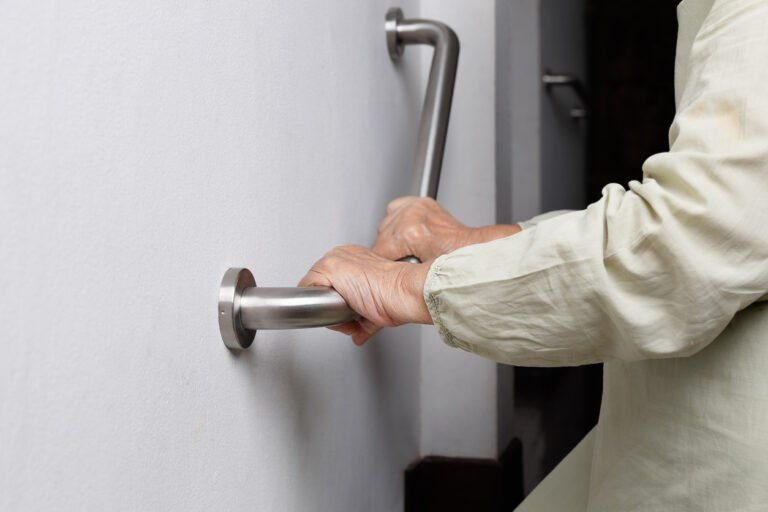
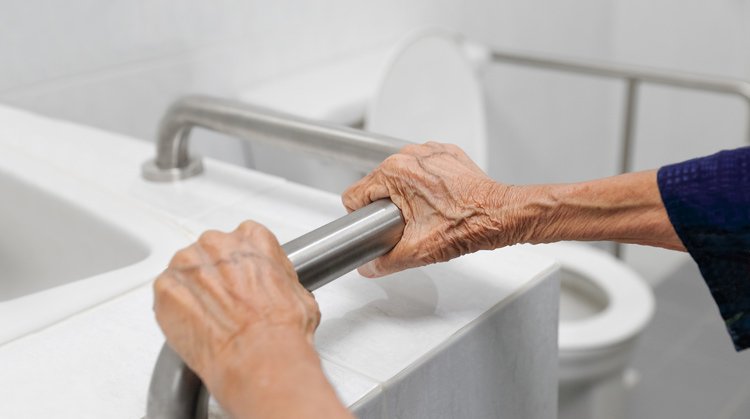
- Grab Bars and Handrails: Installing sturdy grab bars in bathrooms and next to stairs provides extra support. For a comprehensive overview, see this comprehensive guide on bathroom grab bars for elderly safety.
- Non-Slip Flooring: Use non-slip mats in the bathroom and kitchen. Consider upgrading to slip-resistant flooring in high-traffic areas. Our article on wet floor safety solutions covers the best options for modern bathrooms.
- Improved Lighting: Ensure all rooms and hallways are well-lit. Use nightlights in bedrooms and bathrooms to prevent trips during nighttime visits.
- Decluttering: Remove loose rugs, electrical cords, and unnecessary furniture from walkways.
- Accessible Storage: Place frequently used items within easy reach to avoid the need for step stools or bending.
For those seeking a more comprehensive approach, our resource on senior home safety essentials offers a checklist for independent living.
Choosing and Using Mobility Aids
Mobility aids such as canes, walkers, and support rails can provide crucial stability. Selecting the right device depends on the individual’s needs and the layout of the home. For a detailed comparison, see our analysis of support rails vs other mobility aids.
When introducing new equipment:
- Consult with a physical or occupational therapist to ensure proper fit and use.
- Regularly inspect aids for wear and tear.
- Train both the user and caregivers on safe operation.
Practical Tips for Everyday Fall Prevention
Beyond home modifications and equipment, daily routines play a major role in reducing fall risk. Here are some practical strategies for caregivers and families:
- Encourage Regular Exercise: Activities like walking, tai chi, and gentle stretching help maintain strength and balance.
- Review Medications: Work with healthcare providers to identify drugs that may cause dizziness or drowsiness.
- Schedule Vision and Hearing Checks: Updated prescriptions and hearing aids can make a big difference.
- Establish Routines: Consistent schedules for meals, medications, and activities help reduce confusion and accidents.
- Stay Connected: Social engagement and regular check-ins can help spot early signs of mobility changes or health issues.
Accessing Community and Online Support
Many organizations offer free or low-cost fall prevention resources for caregivers. Local Area Agencies on Aging, senior centers, and non-profits provide workshops, home assessments, and support groups. Online platforms also offer downloadable checklists, instructional videos, and forums for sharing experiences.
Caregivers should not hesitate to seek help when needed. Collaboration with healthcare professionals, home safety experts, and other families can make the journey less overwhelming and more effective.
FAQ: Fall Prevention for Caregivers and Families
- What are the most important home modifications to prevent falls?
- Installing grab bars in bathrooms, using non-slip mats, improving lighting, and removing tripping hazards such as loose rugs are among the most effective changes. These upgrades are simple yet significantly reduce the risk of accidents.
- How can caregivers assess fall risk in the home?
- Start with a room-by-room checklist to identify hazards like clutter, slippery floors, and poor lighting. Consider a professional home safety assessment for a thorough evaluation and personalized recommendations.
- Are there programs that help pay for fall prevention equipment?
- Some local agencies, insurance plans, and non-profits offer financial assistance or discounts on safety equipment. Check with your Area Agency on Aging or healthcare provider for available programs in your region.
By taking advantage of the many fall prevention resources for caregivers, families can create a safer, more supportive environment for their loved ones. Proactive planning, ongoing education, and the right tools make a meaningful difference in maintaining independence and well-being.