
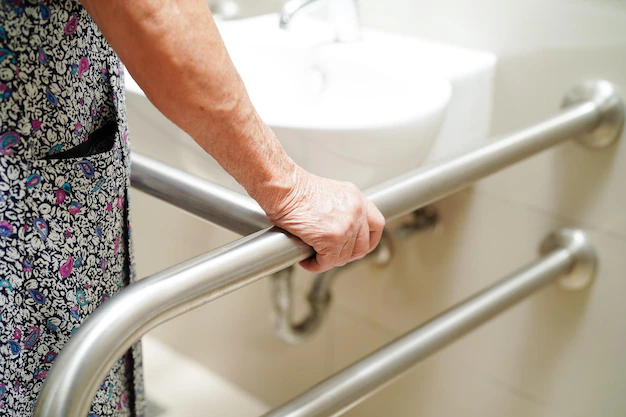
More older adults than ever are choosing to remain in their own homes as they age. With the right strategies, it’s possible to enjoy independence and comfort while minimizing risks. This aging at home safely guide offers practical advice and proven solutions for seniors and their families who want to create a secure, accessible living environment.
From simple home modifications to smart daily routines, there are many ways to make aging in place both safe and enjoyable. Whether you’re planning for yourself or supporting a loved one, understanding the essentials of home safety is the first step to maintaining quality of life and peace of mind.
For those looking to further improve their living space, our senior home safety essentials resource provides additional insights on must-have products and modifications for independent living.
Why Home Safety Matters for Today’s Seniors
Remaining at home offers emotional comfort and a sense of familiarity, but it also presents unique challenges. Falls, limited mobility, and reduced vision are common concerns. According to the CDC, falls are the leading cause of injury among older adults. That’s why a proactive approach to safety is crucial.
By following a comprehensive aging at home safely guide, seniors can address hazards before they become problems. This includes making adjustments to bathrooms, kitchens, and entryways, as well as adopting daily habits that reduce risk.
Essential Home Modifications for Safer Living
One of the most effective ways to prevent accidents is by modifying the home environment. Here are some top recommendations:
- Install grab bars and support rails: These provide stability in bathrooms and along hallways. For a detailed comparison, see our article on support rails vs other mobility aids.
- Improve lighting: Bright, glare-free lighting reduces the risk of tripping, especially in stairways and bathrooms. For those with vision challenges, our guide on walk-in shower lighting for low vision users offers targeted advice.
- Eliminate tripping hazards: Remove loose rugs, secure cords, and keep walkways clear.
- Use non-slip flooring: Especially important in kitchens and bathrooms. For more on this, check our recommendations for wet floor safety solutions.
- Widen doorways and clear pathways: This helps accommodate walkers or wheelchairs and makes moving around easier.
Bathroom Safety: A Priority in Every Aging at Home Plan
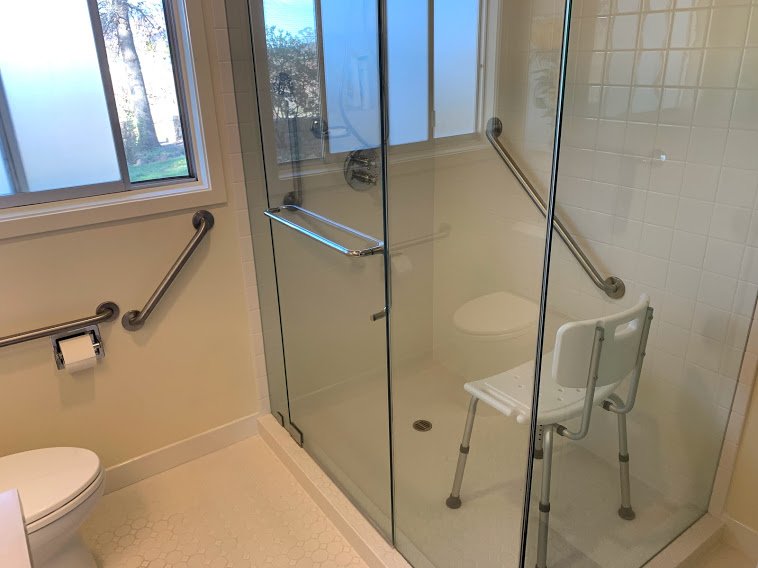
The bathroom is one of the most hazardous areas for older adults. Slippery surfaces, limited space, and the need to move between sitting and standing all increase the risk of falls. Here’s how to make this space safer:
- Install grab bars: Place them near the toilet, shower, and bathtub for extra support. For a deep dive into their benefits, read this comprehensive guide on bathroom grab bars for elderly safety.
- Use raised toilet seats and safety rails: These make it easier to sit and stand, reducing strain on joints.
- Non-slip mats: Place these inside and outside the shower or tub to prevent slipping.
- Accessible shower design: Consider a walk-in shower with a low threshold and a sturdy seat.

Daily Habits That Support Independence
Home modifications are only part of the equation. Developing safe daily routines is just as important. Here are some habits that help seniors stay independent and reduce risk:
- Keep frequently used items within easy reach to avoid unnecessary stretching or climbing.
- Wear supportive, non-slip footwear at all times inside the home.
- Stay hydrated and eat balanced meals to maintain strength and balance.
- Use assistive devices such as canes or walkers as recommended by healthcare providers.
- Check in regularly with family or neighbors for added peace of mind.
Technology and Smart Solutions for Aging in Place
Modern technology offers new ways to enhance safety and convenience for seniors living at home. Consider these options:
- Medical alert systems: Wearable devices can summon help in an emergency.
- Smart lighting: Motion-activated lights illuminate paths at night.
- Video doorbells and security cameras: These provide peace of mind and allow for remote monitoring by family members.
- Medication reminders: Automated dispensers and smartphone apps help ensure medications are taken as prescribed.
Integrating these tools with the strategies outlined in this aging at home safely guide can further reduce risks and support independence.
When to Seek Professional Help
Some home modifications and health concerns require expert assistance. Occupational therapists can assess your living space and suggest personalized improvements. Contractors experienced in accessible design can install ramps, widen doorways, or remodel bathrooms to suit specific needs.
If you notice increased difficulty with daily tasks, frequent falls, or new health issues, consult a healthcare provider. Early intervention can prevent more serious problems down the road.
Frequently Asked Questions
What are the most important safety features for seniors living at home?
The most critical features include grab bars in bathrooms, non-slip flooring, improved lighting, and clear pathways free of clutter. Support rails and accessible shower designs also play a key role in preventing falls and supporting mobility.
How can I make the bathroom safer for an elderly family member?
Install sturdy grab bars near the toilet and shower, use non-slip mats, and consider a raised toilet seat with safety rails. A walk-in shower with a seat and handheld showerhead can also improve safety and comfort.
Are there affordable ways to improve home safety for seniors?
Yes, many effective solutions are budget-friendly. Simple changes like removing loose rugs, adding nightlights, and installing basic grab bars can make a significant difference. For more ideas, explore our senior home safety essentials guide.
Can technology help seniors age in place?
Absolutely. Devices such as medical alert systems, smart lighting, and medication reminders can make daily life safer and more convenient. These tools are especially helpful for seniors who live alone or have limited mobility.
Conclusion
Staying safe and independent at home is possible with the right approach. By combining practical home modifications, healthy routines, and modern technology, seniors can enjoy comfort and security for years to come. Use the tips and resources in this aging at home safely guide as a starting point for creating a living environment that supports your needs and lifestyle.