
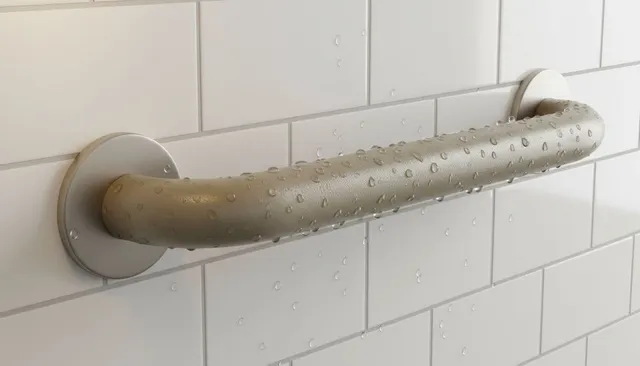
Creating a safe and accessible bathroom is a top priority for many families supporting aging loved ones. Bathroom support systems for elderly users are designed to reduce the risk of slips, falls, and injuries, while also promoting independence and dignity. From grab bars to toilet safety rails, these solutions can make daily routines much safer and more comfortable for seniors.
Understanding which products are most effective, how to install them, and what features to look for is crucial. This article explores leading options, practical advice, and essential considerations for choosing and using bathroom safety equipment. For those interested in a broader approach to home safety, you may also want to review senior home safety essentials for independent living.
Why Bathroom Safety Matters for Older Adults
Bathrooms are among the most hazardous areas in any home, especially for seniors. Wet surfaces, awkward movements, and limited mobility can turn simple tasks into risky situations. According to the CDC, falls are a leading cause of injury among older adults, with many incidents occurring in the bathroom. Installing bathroom support systems can significantly reduce these risks by providing stable handholds and support where it’s needed most.
Beyond physical safety, these aids also help maintain privacy and confidence. Seniors who feel secure in their environment are more likely to continue living independently and enjoy a higher quality of life.
Essential Bathroom Support Solutions for Seniors
There are several types of bathroom support systems for elderly users that address different needs and preferences. Here are some of the most effective and widely recommended options:
- Grab Bars: Fixed or removable bars that provide support when entering, exiting, or moving within the bath or shower.
- Toilet Safety Rails: Sturdy frames or rails that help users sit down and stand up from the toilet safely.
- Shower Seats and Benches: Allow users to sit while bathing, reducing fatigue and the risk of slipping.
- Non-Slip Mats and Flooring: Textured surfaces that prevent falls on wet floors.
- Raised Toilet Seats: Increase the height of the toilet, making it easier to use for those with limited mobility.
Each of these solutions can be used alone or in combination, depending on the individual’s needs and the bathroom layout. For more advice on preventing accidents, see our guide to wet floor safety solutions for modern bathrooms.
Top Grab Bars and Handrails for Elderly Bathrooms
Grab bars are a cornerstone of bathroom support systems. They offer reliable support for balance and movement, especially in slippery areas like showers and near toilets. When choosing grab bars, consider:
- Material: Stainless steel and heavy-duty plastic are both durable and easy to clean.
- Length and Shape: Straight bars are versatile, while angled or wave-shaped bars can provide ergonomic grips.
- Installation: Wall-mounted bars offer maximum stability, but suction-cup models are available for temporary needs.
- Placement: Install bars at entry points, along the shower wall, and beside the toilet for comprehensive support.
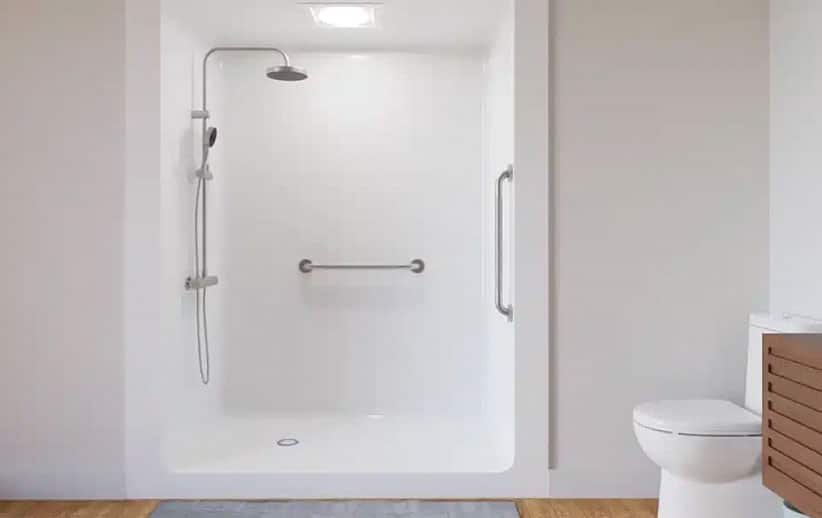
For guidance on where to install grab bars for maximum safety, refer to this comprehensive guide to grab bar placement.
Choosing Toilet Safety Rails and Raised Seats
Getting on and off the toilet can be challenging for those with reduced strength or balance. Toilet safety rails are designed to provide stable handholds, while raised seats minimize the distance users need to bend or lower themselves. When selecting these products, look for:
- Adjustable Height and Width: Customizable rails and seats ensure a proper fit for different body types and bathroom layouts.
- Non-Slip Feet: Rubberized or textured bases prevent shifting during use.
- Easy Installation: Many models require no tools and can be fitted securely in minutes.
- Weight Capacity: Always check the manufacturer’s specifications to ensure safe use.
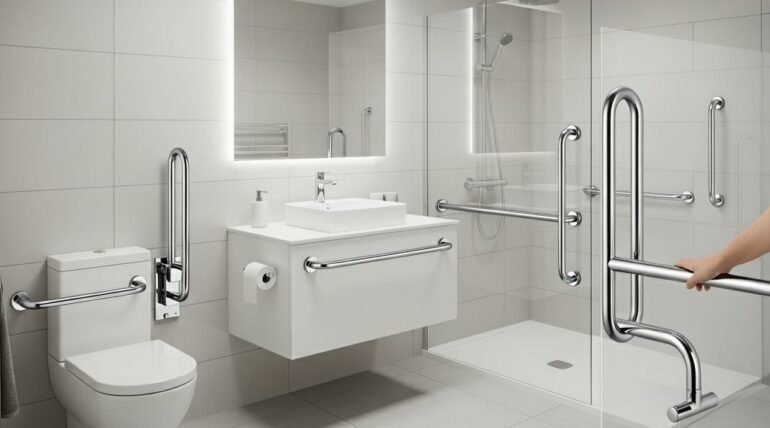
Combining toilet safety rails with grab bars and a raised seat offers comprehensive support for one of the most common sources of falls in the bathroom.
Additional Supportive Features for Safer Bathrooms
Beyond the basics, several other enhancements can further improve bathroom safety for seniors:
- Shower Benches: Provide a stable seat for those who tire easily or have difficulty standing for long periods.
- Handheld Showerheads: Allow users to direct water flow while seated, minimizing movement and reducing the risk of slipping.
- Contrasting Colors: Using fixtures and supports in colors that stand out from the wall or floor helps those with low vision identify them quickly. For more on this, see our article on walk-in shower lighting for low vision users.
- Accessible Storage: Placing toiletries and towels within easy reach reduces unnecessary stretching or bending.
Thoughtful design and the right combination of aids can transform a standard bathroom into a safer, more comfortable environment for elderly users.
Installation Tips and Maintenance
Proper installation is essential for all bathroom support systems for elderly users. Here are some practical tips:
- Follow manufacturer instructions closely for each product.
- Use wall studs or appropriate anchors for grab bars and rails to ensure they can support weight.
- Regularly check all supports for signs of wear, looseness, or damage, and address issues promptly.
- Clean all equipment with non-abrasive cleaners to maintain hygiene and prevent deterioration.
Professional installation may be advisable for permanent fixtures, especially if you’re unsure about wall types or weight requirements. For those planning a full bathroom remodel, consider integrating these features from the start for a seamless and attractive result. If space is a concern, you may find helpful ideas in our guide on how to maximize space in a walk-in shower.
Frequently Asked Questions
What are the most important bathroom safety features for seniors?
The most critical features include grab bars, toilet safety rails, non-slip flooring, and shower seats. These aids provide stability and reduce the risk of falls, which are a leading cause of injury among older adults.
Where should grab bars be installed in a senior’s bathroom?
Grab bars are best placed near the shower or tub entrance, along the shower wall, and beside the toilet. For detailed recommendations, refer to a professional guide to grab bar placement.
Can bathroom support systems be installed in rental properties?
Many support products, such as suction-cup grab bars and freestanding toilet rails, are designed for temporary installation and can be removed without damaging walls or fixtures. Always check with your landlord and choose products that suit your living situation.
Conclusion
Investing in bathroom support systems for elderly users is a practical step toward safer, more independent living. By selecting the right combination of grab bars, toilet safety rails, and other aids, you can create a bathroom that supports mobility, confidence, and peace of mind. Regular maintenance and thoughtful placement of these products ensure they remain effective for years to come.