
Creating a home that is safe, comfortable, and accessible for everyone is a priority for many families. Whether you are planning for aging in place, accommodating a loved one with mobility challenges, or simply looking to make your living space more inclusive, understanding the essentials of handicap accessible home improvements is crucial. These upgrades not only enhance independence but also add value and peace of mind to your property.
From entryway modifications to bathroom safety features, there are a wide range of solutions available to make daily living easier and more secure. In this article, we’ll explore practical strategies, highlight key areas for improvement, and provide guidance on how to get started with accessibility renovations.
One important aspect to consider is the safety and support provided by bathroom fixtures. For example, understanding walk-in shower grab bar weight ratings can help ensure that the right products are chosen for maximum stability and user confidence.
Why Accessibility Modifications Matter
Adapting a home for accessibility is about more than just convenience. It’s about fostering independence, reducing the risk of accidents, and supporting the well-being of everyone in the household. Handicap accessible home improvements can help individuals maintain their routines, participate in family life, and enjoy their environment with fewer barriers.
- Increased safety: Reduces the risk of falls and injuries.
- Greater independence: Enables people to move freely and perform daily tasks without assistance.
- Enhanced property value: Accessible features are attractive to a broader range of buyers.
- Compliance with regulations: Meets ADA guidelines and local building codes where applicable.
Key Areas for Handicap Accessible Home Improvements
When planning upgrades, focus on the spaces that present the most challenges for mobility and safety. Here are some of the most impactful areas to address:
Entryways and Doorways
Accessible entry points are essential for anyone using a wheelchair, walker, or cane. Consider these modifications:
- Install ramps with gentle slopes and non-slip surfaces.
- Widen doorways to at least 32 inches for wheelchair access.
- Replace traditional doorknobs with lever-style handles for easier use.
- Ensure thresholds are low or beveled to prevent tripping.
Bathroom Safety and Comfort
Bathrooms are a common site for slips and falls, making them a top priority for accessibility upgrades. Popular improvements include:
- Walk-in tubs or roll-in showers with seating and handheld showerheads.
- Grab bars positioned near the toilet, shower, and bathtub. For more details, see our guide on walk-in shower grab bar weight ratings.
- Non-slip flooring and mats.
- Raised toilet seats for easier transfers.

Accessible Kitchens and Living Spaces
Making kitchens and living rooms more accessible supports daily living and social interaction. Consider these enhancements:
- Lower countertops and sinks for wheelchair users.
- Pull-out shelves and drawers for easier access to storage.
- Open floor plans to allow for clear pathways.
- Easy-to-reach light switches and appliances.
Bedroom and Hallway Adjustments
Bedrooms and hallways should be free of obstacles and easy to navigate. Improvements might include:
- Wider doorways and clear floor space for maneuvering mobility aids.
- Bed rails or transfer poles for added support.
- Lever-style window handles for easier opening and closing.
- Bright, even lighting to reduce shadows and tripping hazards.
Choosing the Right Accessibility Features
Not every home requires the same modifications. The best approach is to assess the specific needs of the residents and prioritize upgrades that will have the greatest impact. Consulting with an occupational therapist or certified aging-in-place specialist can help identify the most beneficial changes.
Some homeowners may also want to explore advanced features, such as:
- Automated door openers and smart home controls.
- Stair lifts or residential elevators for multi-level homes.
- Voice-activated lighting and security systems.
Funding and Support for Accessibility Upgrades
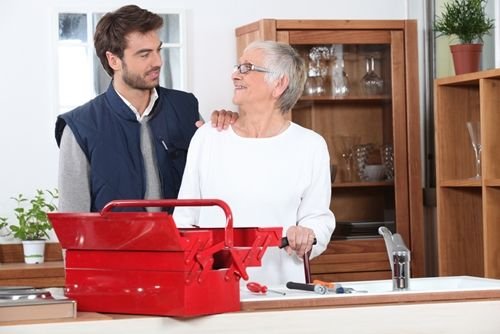
Many families worry about the cost of making their homes more accessible. Fortunately, there are government programs, grants, and nonprofit organizations that can help offset expenses. For a detailed overview of available resources, visit this guide to government programs for seniors’ home repairs.
Some insurance policies and Medicare plans may also cover certain modifications, especially those deemed medically necessary. For example, if you are considering a walk-in tub, you may want to learn more about whether walk-in tubs are covered by insurance and what documentation is required.
Maintenance and Long-Term Planning
Once accessibility features are installed, regular maintenance is essential to ensure continued safety and functionality. Check grab bars, ramps, and lifts periodically for signs of wear or damage. Keep pathways clear and update lighting as needed. As needs change, revisit your home’s layout and consider additional improvements to support ongoing independence.
Frequently Asked Questions
What are the most cost-effective accessibility upgrades?
Simple changes like installing grab bars, adding non-slip mats, replacing doorknobs with levers, and improving lighting are affordable and make a significant difference in safety and usability.
Do I need a professional to make my home accessible?
While some upgrades can be handled as DIY projects, it’s best to consult with professionals for structural changes, electrical work, or when ADA compliance is required. Occupational therapists and certified aging-in-place specialists can provide valuable recommendations.
Are there programs to help pay for accessibility renovations?
Yes, various local and federal programs, as well as nonprofit organizations, offer financial assistance for accessibility modifications. Research eligibility requirements and available grants to find the best options for your situation.
Conclusion
Investing in handicap accessible home improvements is a practical way to support safety, independence, and quality of life for everyone in your household. By focusing on high-impact areas and leveraging available resources, you can create a welcoming environment that meets your family’s needs now and in the future. For further information on specific features like walk-in tub frame construction types or walk-in tub warranty coverage, explore additional guides on our site.