
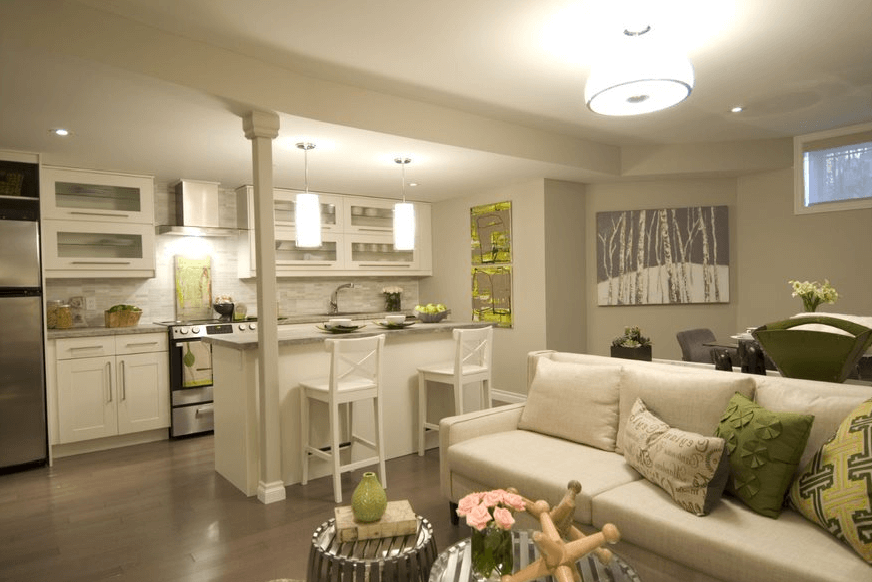
Proper illumination is essential for ensuring safety and confidence when moving through your home, especially during the evening or at night. Thoughtful lighting design not only helps prevent trips and falls but also provides comfort and independence for everyone, including children, older adults, and those with limited mobility. This guide will share practical advice on lighting for safe movement, covering strategies for every room and highlighting the best products to enhance visibility and reduce hazards.
Before diving into specific recommendations, it’s important to recognize that lighting is just one aspect of home safety. For those interested in additional safety features, such as bathroom upgrades, you might find value in learning about walk-in tub suction safety features to further reduce risks in wet environments.
Why Home Lighting Matters for Safety
Many accidents at home are caused by poor visibility. Insufficient or uneven lighting can hide obstacles, create shadows, and make it difficult to see changes in floor level. By focusing on lighting for safe movement, you can:
- Reduce the risk of trips, slips, and falls
- Help everyone navigate hallways and stairs confidently
- Support independence for seniors and people with disabilities
- Make nighttime bathroom visits safer and less disruptive
Effective lighting is not just about brightness. The placement, type, and color temperature of your lights all play a role in creating a safe and welcoming environment.
Key Areas to Illuminate for Safe Navigation
Each area of your home presents unique challenges. Here are the most important spaces to address when planning your lighting strategy:
- Entrances and Exits: Ensure all entryways are well-lit, both inside and out. Motion-activated lights can be helpful for hands-free illumination.
- Hallways: Use continuous lighting or night lights to eliminate dark patches and highlight doorways or turns.
- Staircases: Install lights at the top and bottom of stairs, and consider LED strip lights along the handrail or steps for extra visibility.
- Bathrooms: Soft, indirect lighting helps prevent glare and makes nighttime visits safer. Illuminated switches or motion sensor night lights are excellent additions.
- Kitchens and Living Areas: Task lighting under cabinets and in corners helps prevent accidents when preparing food or moving around furniture.
- Bedrooms: Bedside lamps, night lights, or illuminated pathways make it easy to get up safely at night.
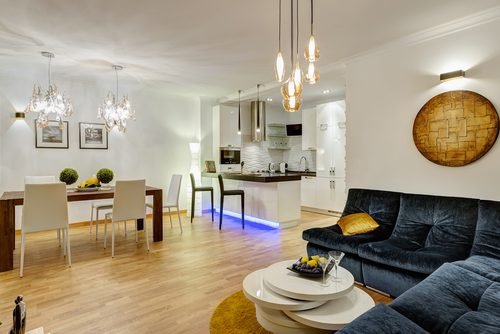
Choosing the Right Types of Lighting for Safe Movement
Not all lights are created equal. When selecting fixtures and bulbs, consider the following options to enhance safety:
- LED Recessed Lights: These provide even, glare-free illumination and are ideal for hallways, kitchens, and living rooms. Their low profile means they won’t create obstacles or collect dust.
- Motion Sensor Night Lights: Perfect for bedrooms, bathrooms, and stairways, these lights turn on automatically when movement is detected, reducing the need to fumble for switches in the dark.
- Under-Cabinet and Step Lighting: These targeted lights brighten workspaces and highlight potential hazards, such as uneven flooring or steps.
- Smart Lighting Systems: Programmable lights can be set to turn on at specific times or controlled via smartphone, offering convenience and peace of mind.
When possible, use bulbs with a color temperature of 2700K–3000K for a warm, inviting glow that reduces harsh shadows and glare. For task areas, a slightly cooler temperature (up to 4000K) can improve visibility.

Installation Tips for Optimal Illumination
To maximize the benefits of your lighting upgrades, follow these installation guidelines:
- Eliminate Shadows: Place lights so they overlap slightly, avoiding dark spots in hallways and corners.
- Highlight Hazards: Use accent lighting to draw attention to steps, thresholds, and changes in floor level.
- Accessible Switches: Install light switches at a height that’s easy for everyone to reach, and consider illuminated or rocker switches for better visibility.
- Layer Your Lighting: Combine ambient, task, and accent lighting to create a balanced environment that adapts to different needs throughout the day.
- Regular Maintenance: Replace burnt-out bulbs promptly and clean fixtures to maintain brightness.
For those interested in maintaining other areas of the home, especially bathrooms, you might also want to explore the benefits of microfiber towels for walk-in showers to keep surfaces safe and clean.
Special Considerations for Seniors and Accessibility
Older adults and people with mobility challenges are at greater risk of falls, making lighting for safe movement even more critical. Here are some targeted suggestions:
- Install night lights in bedrooms, bathrooms, and hallways to provide guidance after dark.
- Use motion-activated lighting to reduce the need for manual switches.
- Ensure staircases are brightly lit, with clear contrast between steps and risers.
- Opt for glare-free fixtures and avoid exposed bulbs that can cause discomfort or confusion.
Combining these lighting solutions with other safety features, such as grab bars and non-slip mats, helps create a secure and comfortable living environment for everyone.
Frequently Asked Questions
What is the best type of lighting for hallways and stairs?
Continuous, evenly spaced LED recessed lights or wall-mounted fixtures work well for hallways and stairs. Adding motion sensor night lights can further improve safety by providing automatic illumination when needed.
How can I make my bathroom safer at night?
Install soft, indirect lighting such as motion-activated night lights or illuminated switches. Avoid harsh overhead lights that can cause glare and make it difficult to adjust your eyes in the dark.
Are smart lighting systems worth it for home safety?
Smart lighting systems offer convenience and flexibility, allowing you to schedule lights or control them remotely. They can be especially helpful for those with mobility limitations or for families who want to ensure lights are always on when needed.
Conclusion
Enhancing your home’s lighting is a practical and effective way to support safe movement for everyone. By focusing on key areas, choosing the right fixtures, and following best practices for installation, you can significantly reduce the risk of accidents and create a more comfortable living space. Remember to combine lighting improvements with other safety measures for the best results, and revisit your setup regularly to adapt to changing needs.