
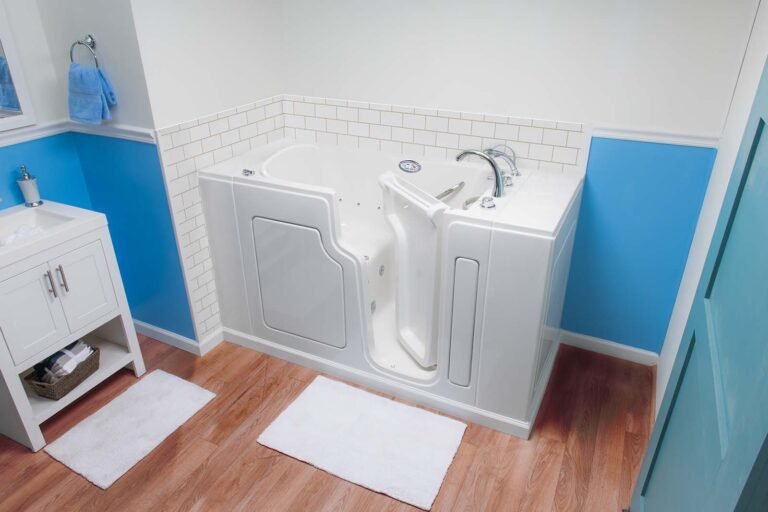
A blocked walk-in tub drain can quickly turn a relaxing bath into a frustrating experience. Whether you’re dealing with slow drainage or a complete backup, restoring proper water flow is essential for both comfort and hygiene. This guide covers practical, step-by-step solutions for how to clear a clogged walk-in tub drain safely and efficiently, using tools and products you likely already have at home.
Walk-in tubs are designed for easy access and safety, but their unique features can sometimes make drain maintenance a bit different from standard bathtubs. Knowing how to address clogs promptly helps prevent water damage, unpleasant odors, and potential safety hazards. Before diving into the cleaning process, it’s helpful to understand what causes these blockages and how to prevent them in the future.
If you’re also interested in optimizing your walk-in tub’s performance, you might want to learn about how to troubleshoot walk-in tub jet noise for a quieter, more enjoyable bathing experience.
Common Causes of Walk-In Tub Drain Blockages
Understanding what leads to clogs can help you both clear and prevent them. The most frequent culprits include:
- Hair buildup: Hair can easily accumulate in the drain, especially in households with multiple users.
- Soap scum: Residue from soap and bath products can combine with hair and other debris, forming stubborn blockages.
- Bath oils and lotions: These products can solidify in pipes, narrowing the passage for water flow.
- Foreign objects: Small items like jewelry, bath beads, or even washcloth threads can accidentally enter the drain.
- Hard water deposits: Mineral buildup from hard water can gradually reduce drain efficiency.
Regular cleaning and mindful use of bath products can go a long way in preventing these issues.
Quick Assessment Before You Start
Before attempting any fixes, determine the severity of the clog:
- Slow drainage: Water drains, but much more slowly than usual.
- Standing water: Water remains in the tub and does not drain at all.
- Recurring clogs: The drain clears temporarily but blocks again soon after.
For minor slowdowns, simple home remedies may suffice. For severe or persistent blockages, you may need to try several methods or consult a professional.
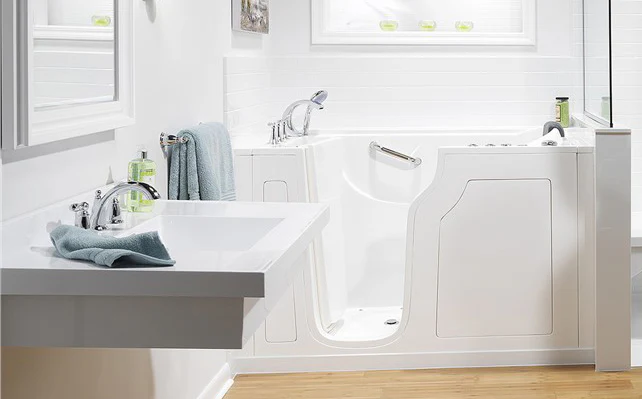
Step-by-Step Solutions for Unclogging Your Walk-In Tub Drain
Here are proven methods for clearing a blocked walk-in tub drain quickly and safely. Always start with the least invasive option and progress as needed.
1. Remove Visible Debris by Hand
If you can see hair or other debris near the drain cover, use gloves or tweezers to pull it out. Many walk-in tubs have removable drain covers—check your manufacturer’s instructions for safe removal.
2. Use a Plunger
A standard cup plunger can be effective for minor clogs:
- Ensure there’s enough water in the tub to cover the plunger’s cup.
- Place the plunger over the drain and press down firmly to create a seal.
- Push and pull rapidly for 20-30 seconds.
- Remove the plunger and check if water drains more quickly.
Repeat as necessary, but avoid excessive force to protect the tub’s finish.
3. Try a Drain Snake or Zip-It Tool
For deeper clogs, a flexible drain snake or a disposable plastic “zip-it” tool can reach and extract hair and debris:
- Insert the tool into the drain as far as it will go.
- Twist gently and pull out to remove trapped material.
- Dispose of debris and flush the drain with hot water.
Avoid using metal snakes on acrylic or fiberglass tubs to prevent scratching.
4. Use a Baking Soda and Vinegar Solution
This natural remedy can help dissolve soap scum and minor blockages:
- Pour 1/2 cup of baking soda into the drain.
- Follow with 1 cup of white vinegar.
- Let the mixture fizz for 15-20 minutes.
- Flush with a kettle of hot (not boiling) water.
Repeat if necessary. This method is safe for most plumbing and won’t harm your tub’s surface.
5. Apply a Safe, Non-Corrosive Drain Cleaner
If the clog persists, consider a non-corrosive enzymatic drain cleaner designed for tubs and showers. These products break down organic matter without damaging pipes or finishes. Always follow the manufacturer’s instructions and avoid harsh chemicals that can harm your plumbing or void your tub’s warranty.
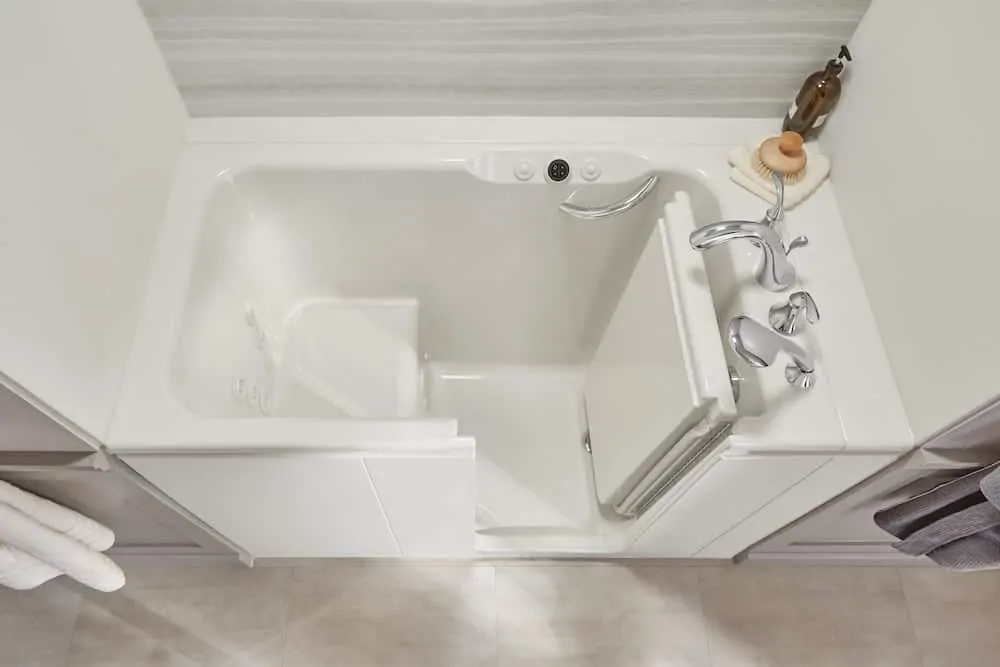
When to Call a Professional Plumber
If you’ve tried all the above methods and the drain remains blocked, or if you notice signs of a more serious plumbing issue (such as water backing up elsewhere in your home), it’s time to contact a licensed plumber. Persistent or recurring clogs may indicate a deeper problem in your home’s drainage system.
Professional plumbers have specialized tools, such as motorized augers and hydro-jetting equipment, to clear stubborn blockages safely. They can also inspect your plumbing for damage or improper installation.
Preventing Future Clogs in Walk-In Tubs
Regular maintenance is the best way to avoid future drainage problems. Here are some practical tips:
- Install a drain screen or hair catcher to trap debris before it enters the pipes.
- Rinse the tub and drain with hot water after each use to help dissolve soap and oils.
- Limit the use of heavy bath oils and thick lotions that can solidify in pipes.
- Clean the drain cover and surrounding area weekly.
- Use enzymatic drain cleaners monthly as a preventive measure.
For more tips on maintaining accessible bathing spaces, check out the walk-in shower maintenance guide for additional cleaning strategies.
If you’re interested in the benefits of specialized cleaning tools, you might also explore the benefits of microfiber towels for walk-in showers to keep your bathing area spotless.
Frequently Asked Questions
What should I do if my walk-in tub drain is completely blocked and water won’t move?
Start by removing any visible debris and using a plunger. If that doesn’t work, try a drain snake or a baking soda and vinegar solution. If the clog persists after these steps, it’s best to contact a professional plumber to avoid damaging your plumbing.
Are chemical drain cleaners safe for walk-in tubs?
Most walk-in tubs are made from acrylic or fiberglass, which can be damaged by harsh chemical cleaners. It’s safer to use enzymatic or natural solutions, such as baking soda and vinegar. Always check your tub manufacturer’s recommendations before applying any product.
How often should I clean my walk-in tub drain to prevent clogs?
A monthly cleaning routine is usually sufficient for most households. Installing a drain screen and rinsing the tub after each use also helps minimize buildup and blockages.
Can I use a plunger on a walk-in tub drain?
Yes, a standard cup plunger is safe for most walk-in tubs. Just be gentle to avoid damaging the tub’s surface or the drain cover.
Conclusion
Dealing with a blocked walk-in tub drain doesn’t have to be a major hassle. With the right approach and a little regular maintenance, you can keep your tub draining smoothly and enjoy safe, comfortable baths. Remember to use gentle, non-corrosive cleaning methods and seek professional help if you encounter persistent problems. Taking these steps will help you get the most out of your accessible bathing investment for years to come.