
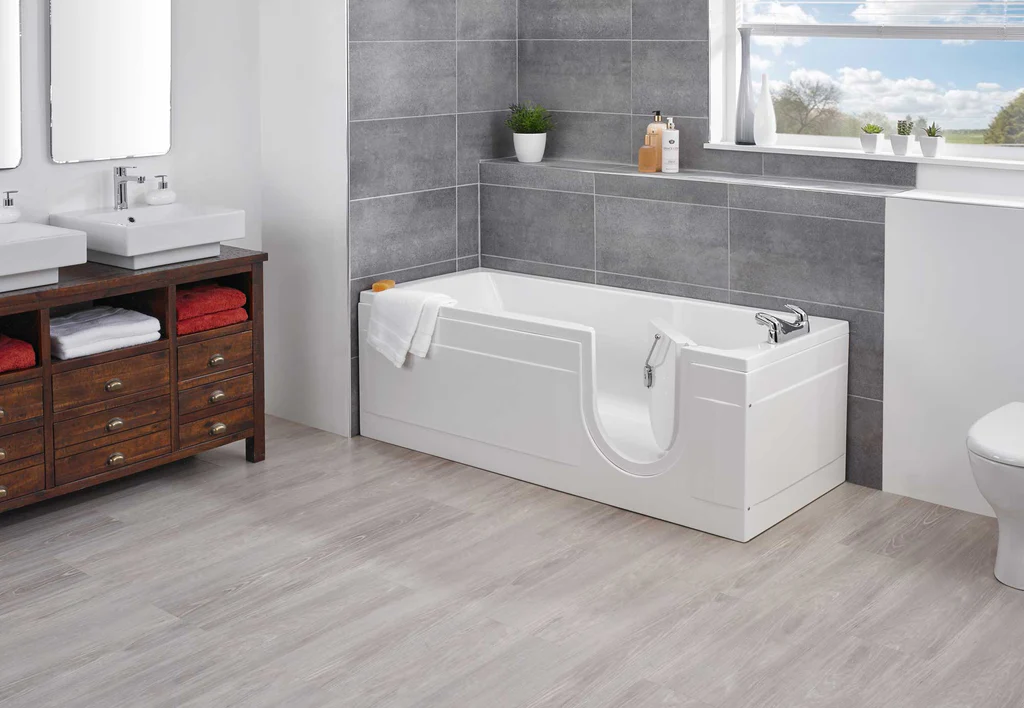
Walk-in tubs are designed to make bathing safer and more comfortable, especially for seniors and those with limited mobility. However, using these specialized bathtubs correctly is essential to maximize their safety features and prevent slips, falls, or other accidents. This guide provides practical steps and expert tips for safe operation, from entering and exiting to maintaining a secure bathing environment.
Before you begin, it’s important to familiarize yourself with your tub’s unique features, such as grab bars, anti-slip flooring, and door mechanisms. For additional guidance on optimizing your bathroom for safety, you may want to consult a safety grab bar placement guide to ensure all support fixtures are correctly installed.
Preparing for a Safe Bathing Experience
Before stepping into your walk-in tub, take a few moments to prepare the area and yourself. Remove any loose rugs or clutter from the bathroom floor to prevent tripping. Make sure the tub’s door, controls, and safety features are in good working order. If your tub has jets, ensure they are clean and free of debris; regular maintenance is crucial, and you can find detailed instructions in this walk-in tub jet cleaning guide.
- Check water temperature before filling the tub. Aim for a comfortable, safe temperature (typically between 100°F and 104°F) to avoid burns.
- Keep essentials within reach, such as soap, shampoo, towels, and a phone in case of emergency.
- Ensure grab bars and non-slip mats are securely in place.
- If you use mobility aids, have them nearby for easy access after bathing.
Entering the Tub: Step-by-Step Safety
Entering a walk-in tub safely requires attention to detail. Here’s how to do it confidently:
- Open the tub door fully and ensure the threshold is clear of obstacles.
- Hold onto a grab bar or another sturdy support as you step over the low threshold. Move slowly and deliberately.
- Close and securely latch the door before turning on the water. Double-check the seal to prevent leaks.
- Settle onto the built-in seat before starting the fill cycle. Most walk-in tubs have a comfortable, contoured seat designed for stability.
Filling and Using the Tub Safely
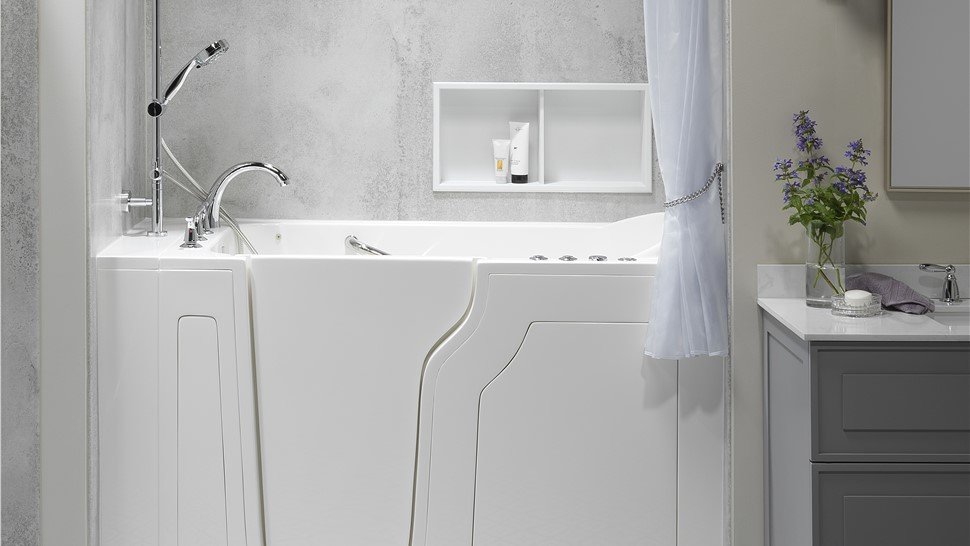
Once you are comfortably seated and the door is latched, begin filling the tub. Modern walk-in tubs are designed to fill quickly, but it’s important to remain patient and attentive throughout the process.
- Monitor the water level as it rises. Do not attempt to stand or move around while the tub is filling.
- Adjust the controls for jets or air bubbles only after the water has reached the desired level. If your tub has advanced safety features, such as anti-scald valves or emergency drains, familiarize yourself with their operation.
- Keep your hands and feet away from the drain and jet openings during use.
- Remain seated throughout your bath to minimize the risk of slipping.
For those interested in comparing the safety and style of different bathing solutions, the article on walk-in shower vs curbless shower offers valuable insights.
Exiting the Tub: Essential Steps for Safety
Safely leaving your walk-in tub is just as important as entering it. Follow these steps to reduce the risk of falls:
- Drain the tub completely before attempting to open the door. Most walk-in tubs have a fast-drain feature, but always wait until all water is gone.
- Unlock and open the door slowly. Be mindful of any remaining water on the floor.
- Use grab bars or sturdy supports to steady yourself as you step out. Move slowly and avoid sudden movements.
- Dry your feet and the floor immediately to prevent slipping.
Additional Safety Tips for Walk-In Tub Users
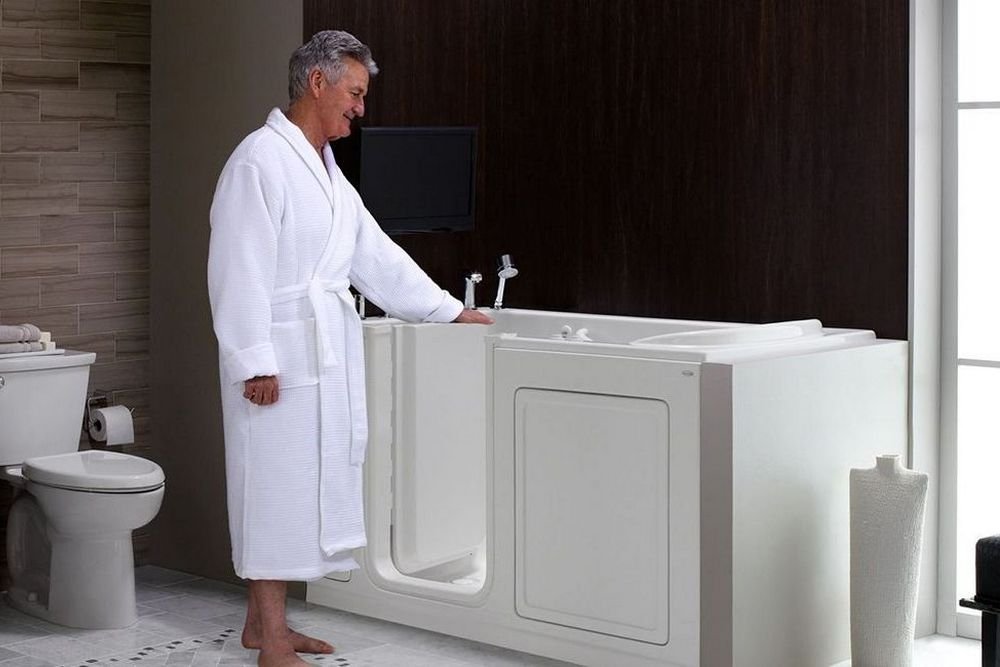
To further enhance your bathing safety, consider the following recommendations:
- Install extra grab bars in strategic locations. For guidance, refer to a safety grab bar placement guide.
- Use non-slip mats both inside and outside the tub.
- Keep the bathroom well-lit to avoid tripping hazards.
- Test emergency features regularly, such as quick-drain and anti-scald systems.
- Consider a medical alert device if you live alone or have a history of falls.
For those planning a bathroom remodel, learning about the best materials for walk-in shower walls can help you create a safer and more durable environment.
Understanding Key Features That Enhance Tub Safety
Modern walk-in tubs are equipped with a variety of features designed to support safe use. Some of the most important include:
- Low-entry thresholds to minimize the risk of tripping.
- Built-in seating for stability and comfort.
- Anti-slip surfaces on the floor and seat.
- Easy-to-reach controls for water temperature, jets, and drains.
- Emergency quick-drain systems for fast exit if needed.
For a deeper dive into the most effective safety enhancements, see the article on safety features of walk-in bathtubs.
Maintaining a Safe Tub Environment
Regular maintenance is vital for continued safety. Clean your tub according to the manufacturer’s instructions, paying special attention to jets and seals. Inspect grab bars, doors, and anti-slip surfaces for wear and tear. If you notice any issues, address them promptly to prevent accidents.
If you are considering other accessible bathing options, you might find it helpful to read about aging-in-place walk-in showers and how they compare to tubs in terms of safety and convenience.
Frequently Asked Questions
What should I do if I feel unsteady while using a walk-in tub?
If you ever feel unsteady, remain seated and use the built-in grab bars for support. Avoid standing or moving around until you feel secure. If you live alone, consider keeping a phone within reach or using a medical alert system for added peace of mind.
How often should I clean and inspect my walk-in tub?
It’s best to clean your tub after each use, especially if it has jets. Perform a more thorough inspection of all safety features, such as grab bars and door seals, at least once a month. For step-by-step cleaning instructions, refer to this walk-in tub jet maintenance guide.
Are walk-in tubs suitable for people with severe mobility challenges?
Walk-in tubs are designed to accommodate a wide range of mobility needs. However, individuals with severe limitations may require additional modifications, such as transfer benches or caregiver assistance. Consult with a healthcare professional to determine the best setup for your situation.