
Slippery steps, whether inside or outside the home, pose a significant safety risk. Proper illumination is one of the most effective ways to reduce accidents and provide peace of mind for everyone, especially in areas prone to moisture or low visibility. Choosing the right lighting for slippery steps is not just about aesthetics—it’s about creating a safer environment for all ages and abilities.
From subtle night lights in hallways to robust outdoor fixtures that withstand the elements, there are many solutions available. This article explores the best practices, fixture types, and installation tips to help you select and implement the most effective lighting for any staircase or walkway. If you’re also interested in broader home safety topics, you may want to read about how to check walk-in tub electrical grounding for added peace of mind in wet areas.
Why Proper Illumination Matters for Slippery Steps
Falls are among the most common household injuries, and poorly lit steps are a leading cause. Moisture, spills, or even smooth surfaces can make steps hazardous, especially at night or during bad weather. Installing lighting for slippery steps helps by:
- Highlighting step edges to prevent missteps or missed footing
- Making obstacles or spills visible before they become a hazard
- Guiding movement in low-light conditions, such as dusk or nighttime
- Improving accessibility for older adults, children, and those with mobility challenges
Effective lighting is a proactive measure that can prevent injuries and provide confidence when navigating stairs or walkways.
Types of Lighting Solutions for Indoor and Outdoor Steps
There are several fixture types and technologies designed specifically for stair safety. The best choice depends on your location, weather exposure, and personal preferences.
Indoor Step Lighting Options
- Recessed step lights: Installed directly into stair risers or walls, these provide subtle, glare-free illumination.
- LED strip lights: Flexible and easy to install under stair treads or handrails, offering continuous visibility.
- Motion sensor night lights: Automatically activate when movement is detected, ideal for hallways and bathrooms.
- Wall sconces: Mounted along stairways to cast even light across each step.
For indoor spaces, consider lighting that minimizes shadows and is easy to maintain. Motion-activated options are particularly useful for late-night trips or for those who may forget to turn lights on manually.
Outdoor Lighting for Steps and Walkways
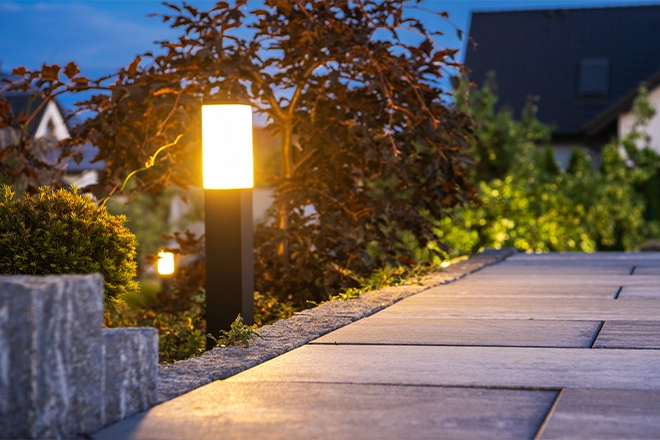
- Bollard lights: Short posts that cast light along paths and steps, improving visibility and marking edges.
- Step deck lights: Small fixtures installed into the vertical face of outdoor steps, providing direct illumination.
- Solar-powered lights: Easy to install and energy-efficient, these are ideal for areas without nearby power sources.
- Floodlights with motion sensors: Activate when someone approaches, deterring intruders and lighting up large areas.
Outdoor fixtures should be weather-resistant and bright enough to cut through rain, fog, or snow. Placement is key—ensure every step is clearly visible from the top and bottom of the staircase.

Choosing the Right Fixtures for Your Needs
When selecting lighting for slippery steps, consider the following factors to ensure both safety and longevity:
- Brightness: Choose fixtures that provide enough light without causing glare. For outdoor steps, look for at least 100–200 lumens per fixture.
- Color temperature: Warm white (2700K–3000K) is comfortable for indoor use, while cool white (4000K–5000K) enhances visibility outdoors.
- Weather resistance: Outdoor lights should have a high IP rating (IP65 or higher) to withstand rain and dust.
- Energy efficiency: LED options use less power and last longer than incandescent bulbs.
- Ease of installation: Battery-powered or solar lights are ideal for DIY projects, while hardwired solutions may require a professional.
It’s also important to match the style of your lighting to your home’s decor. Discreet fixtures blend in, while decorative options can add character to your entryway or garden.
Installation Tips for Maximum Safety
Proper placement and installation are just as important as the type of light you choose. Follow these tips to get the most out of your stair lighting:
- Install fixtures at regular intervals to eliminate dark spots and shadows.
- Position lights to illuminate the tread (horizontal part) of each step, not just the riser (vertical part).
- For outdoor steps, angle lights downward to avoid glare and prevent light pollution.
- Use motion sensors in areas where lights are not needed all night, reducing energy use and extending bulb life.
- Test your setup at night to ensure every step is clearly visible from all approaches.
Regularly clean fixtures and replace bulbs as needed. Wet or dirty lenses can reduce brightness and compromise safety.
Additional Safety Tips for Slippery Steps
While lighting is crucial, it’s only one part of a comprehensive safety strategy. Consider these additional measures:
- Apply non-slip treads or coatings to each step.
- Keep steps clear of debris, leaves, or snow.
- Install sturdy handrails on both sides of the staircase.
- Check for loose boards or uneven surfaces and repair promptly.
Combining good lighting with these precautions will significantly reduce the risk of slips and falls.
Frequently Asked Questions
What is the best type of light for outdoor steps?
Weatherproof LED step lights or bollard lights are highly recommended for outdoor use. They provide focused illumination, withstand the elements, and are energy-efficient. Solar-powered options are convenient for areas without electrical access.
How bright should step lighting be?
For most residential applications, lights between 100 and 200 lumens per fixture are sufficient. The goal is to clearly define each step without causing glare or harsh shadows.
Can I install step lighting myself?
Many battery-powered or plug-in LED lights are designed for easy DIY installation. However, hardwired fixtures or those requiring new electrical connections should be installed by a qualified electrician to ensure safety and code compliance.
Are motion sensor lights suitable for stairs?
Yes, motion sensor lights are ideal for stairways, especially in areas where lights are only needed when someone is present. They enhance safety and save energy by turning on automatically when movement is detected.
Conclusion
Investing in the right lighting for slippery steps is a practical way to prevent accidents and create a welcoming environment in and around your home. By understanding fixture options, installation best practices, and complementary safety measures, you can ensure that every step is as safe as possible—day or night. For more tips on maintaining a safe and accessible home, explore related topics such as walk-in tub foot massage jet benefits and other home safety guides.