
As people age, maintaining safety and independence at home becomes increasingly important. One of the most significant changes that can support aging in place is upgrading the bathroom, especially by installing a walk in shower. However, the cost of these modifications can be a barrier for many older adults. Fortunately, there are various walk in shower grants for seniors and financial assistance programs available to help cover these expenses.
This article explores the main sources of funding, eligibility requirements, and practical steps to access support for bathroom modifications. We’ll also highlight additional resources and tips for maximizing safety and comfort in the bathroom. For those interested in maintaining their new shower, learning about the benefits of microfiber towels for walk-in showers can help keep surfaces clean and safe.
Understanding Financial Assistance for Bathroom Modifications
Many seniors and their families are unaware that there are dedicated programs offering grants for walk in showers and other home modifications. These programs are designed to help older adults remain safe and independent in their own homes by reducing the risk of falls and making daily routines easier.
Assistance can come in the form of direct grants, low-interest loans, or a combination of both. Some programs are federally funded, while others are state or locally administered. It’s important to research all available options and understand the specific requirements for each program.
Key Sources of Walk In Shower Grants for Seniors
There are several main avenues for seniors seeking financial help with bathroom upgrades. Here are the most common sources:
- Medicaid Home and Community-Based Services (HCBS) Waivers: Many states offer Medicaid waivers that cover home modifications, including walk in showers, for eligible seniors who meet income and health criteria.
- Veterans Affairs (VA) Programs: Veterans and their spouses may qualify for the VA’s Home Improvements and Structural Alterations (HISA) grant, which can be used for accessible bathroom installations.
- State Assistive Technology Programs: Most states have agencies that provide funding or equipment loans for home accessibility improvements.
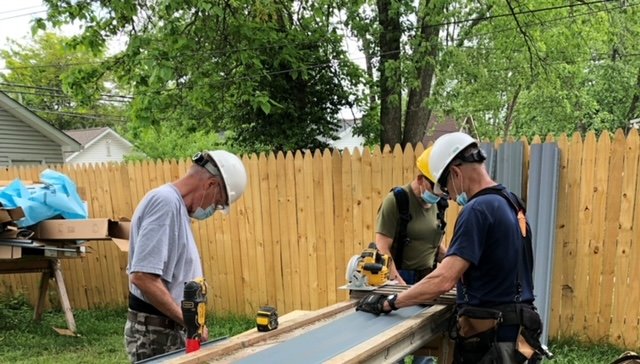
- Nonprofit and Community Organizations: Local charities, such as Rebuilding Together, often offer grants or volunteer labor for seniors needing safer bathrooms.
- Federal Housing Grants: Programs like the USDA Rural Development Section 504 Home Repair program provide grants and loans for low-income seniors in rural areas to improve home safety.
For a comprehensive overview of available programs, this guide to home repair and modification assistance for seniors offers detailed information on eligibility and application processes.
Eligibility and Application Tips for Walk In Shower Funding
Each program supporting walk in shower grants for seniors has its own eligibility criteria. Most require applicants to be over a certain age (typically 62 or older), meet income limits, and demonstrate a medical or functional need for the modification. Veterans programs may have additional service requirements.
To improve your chances of approval, gather the following before applying:
- Proof of age and residency
- Income documentation
- Medical records or a doctor’s note explaining the need for a walk in shower
- Estimates from licensed contractors for the work
Be prepared for a waiting period, as funding is often limited and demand is high. Applying to multiple programs can increase your chances of receiving assistance.
Maximizing Safety and Value with Walk In Showers
Upgrading to a walk in shower provides more than just accessibility. These showers reduce tripping hazards, offer easier entry and exit, and often come with features like grab bars and non-slip flooring. To further enhance safety, consider pairing your new shower with other bathroom improvements, such as:
- Installing a handheld showerhead
- Adding a shower seat or bench
- Using non-slip mats or coatings
- Improving lighting in the bathroom
For those interested in easy cleaning and long-term maintenance, exploring the benefits of non-porous surfaces in walk-in showers can help keep your bathroom both safe and hygienic.

Additional Resources and Support
Beyond grants, there are other ways to make bathroom upgrades more affordable. Some contractors offer payment plans or discounts for seniors. Local Area Agencies on Aging can provide referrals to trusted installers and help navigate grant applications. For those considering other bathroom safety features, learning about walk-in tub suction safety features or walk-in tub foot massage jet benefits can help you choose the best solution for your needs.
Staying informed about available programs and maintaining your new shower will help ensure long-term comfort and safety at home.
Frequently Asked Questions
What types of home modifications do walk in shower grants for seniors cover?
Most programs will fund the installation of accessible showers, grab bars, non-slip flooring, and sometimes additional features like shower seats or handheld showerheads. Some grants may also cover related plumbing or electrical work if it is necessary for the modification.
How long does it take to receive funding for a walk in shower?
The timeline varies depending on the program and demand. Some grants are awarded within a few weeks, while others may take several months due to application reviews and funding cycles. Applying early and submitting all required documentation can help speed up the process.
Can I combine multiple grants or funding sources for my bathroom project?
Yes, many seniors use a combination of grants, loans, and personal funds to cover the full cost of a walk in shower installation. Be sure to check each program’s rules, as some may have restrictions on combining funds.