
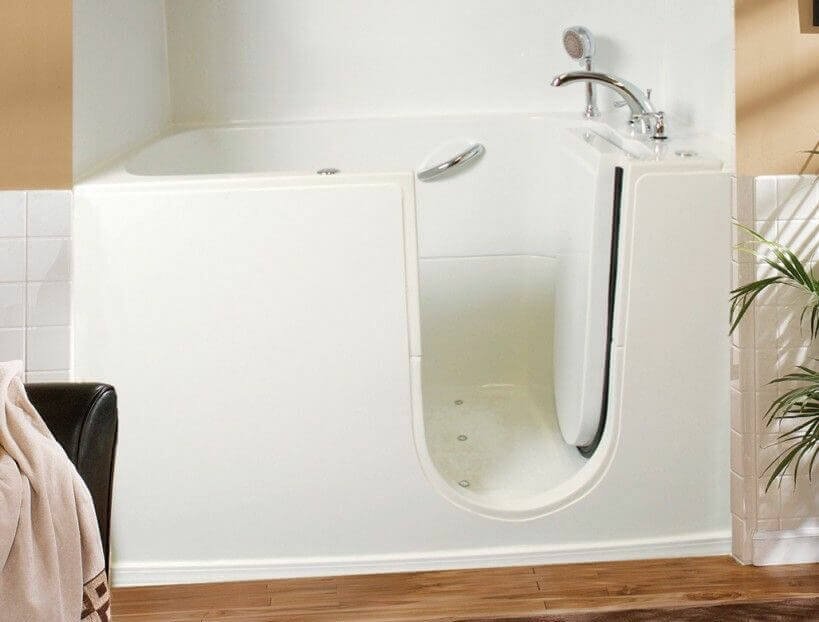
Maintaining a clean and hygienic bathroom is a top priority for many homeowners, especially when it comes to walk-in showers. One of the most significant advances in modern bathroom design is the use of non-porous surfaces in walk-in showers. These materials are engineered to resist water absorption, grime, and bacteria, making them a practical choice for anyone seeking a low-maintenance and sanitary bathing environment. In this article, we’ll explore the key advantages of non-porous walk-in shower surfaces, how they simplify cleaning routines, and why they’re a smart investment for both comfort and long-term value.
If you’re considering a bathroom upgrade, understanding the walk-in shower non-porous surface benefits can help you make an informed decision. From reducing mold growth to saving time on cleaning, these surfaces offer a range of perks that enhance both hygiene and convenience. For those interested in related safety features, you may also want to read about walk-in tub suction safety features for additional peace of mind.
Why Non-Porous Materials Matter in Walk-In Showers
Traditional shower surfaces, such as natural stone or standard grout, are often porous and can absorb moisture. This creates an environment where mold, mildew, and bacteria thrive, leading to staining, unpleasant odors, and potential health risks. In contrast, non-porous walk-in shower surfaces are designed to repel water and prevent the buildup of contaminants.
Common non-porous materials used in walk-in showers include acrylic, fiberglass, cultured marble, and certain types of engineered stone. These surfaces are smooth and seamless, leaving fewer places for dirt and soap scum to accumulate. As a result, they require less scrubbing and fewer harsh chemicals to keep them looking pristine.
Key Advantages of Non-Porous Walk-In Shower Surfaces
Choosing a non-porous surface for your walk-in shower brings several important benefits:
- Effortless Cleaning: Non-porous materials do not absorb water or soap residue, making it easy to wipe away grime with a soft cloth or sponge.
- Reduced Mold and Mildew: By resisting moisture penetration, these surfaces help prevent the growth of mold and mildew, which are common problems in damp bathroom environments.
- Stain Resistance: Non-porous walk-in shower walls and floors are less likely to develop stubborn stains from hard water, shampoo, or body oils.
- Enhanced Hygiene: Because bacteria and germs cannot penetrate the surface, it’s easier to maintain a sanitary shower space.
- Long-Lasting Beauty: These materials retain their appearance over time, resisting discoloration and wear even with frequent use.
How Non-Porous Surfaces Simplify Cleaning Routines
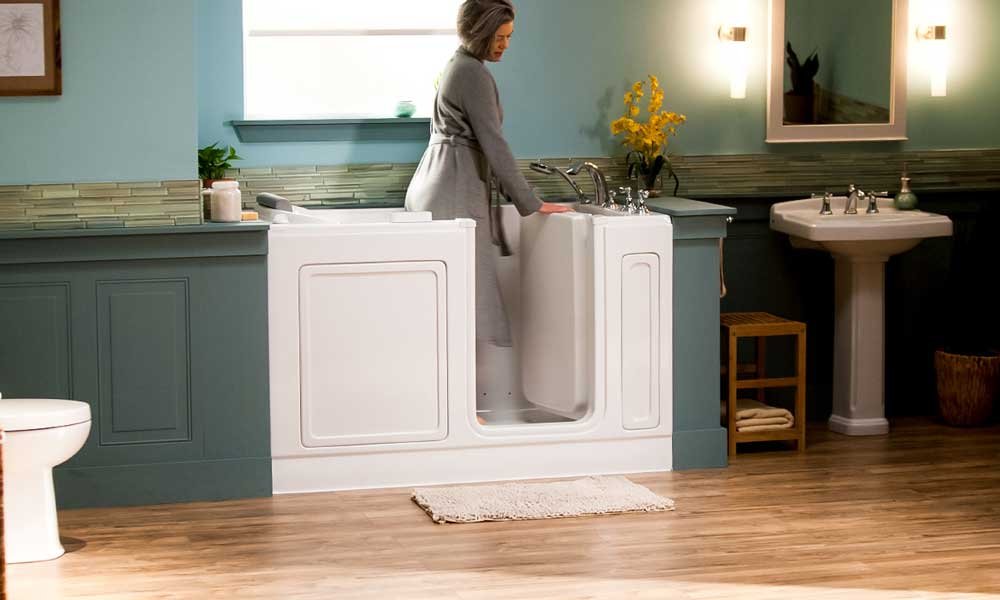
One of the most appreciated walk-in shower non-porous surface benefits is the ease of cleaning. Unlike traditional tile and grout, which can require scrubbing with specialized cleaners, non-porous surfaces can often be cleaned with just mild soap and water. This not only saves time but also reduces the need for harsh chemicals that can damage surfaces or irritate sensitive skin.
For daily maintenance, simply wiping down the shower walls and floor after use can prevent water spots and soap scum buildup. Weekly cleaning is usually as simple as using a non-abrasive sponge and a gentle cleanser. This straightforward routine is especially helpful for individuals with mobility challenges or busy lifestyles.
To further streamline your cleaning process, consider using specialized tools. For example, the benefits of microfiber towels for walk-in showers include their ability to trap dust and residue without scratching surfaces, making them ideal for maintaining non-porous materials.
Comparing Non-Porous and Porous Shower Surfaces
Understanding the differences between non-porous and porous materials can help you choose the best option for your bathroom:
| Feature | Non-Porous Surfaces | Porous Surfaces |
|---|---|---|
| Water Absorption | Repels water, stays dry | Absorbs moisture, stays damp |
| Mold/Mildew Risk | Low | High |
| Cleaning Effort | Minimal, easy wipe-down | Requires scrubbing, special cleaners |
| Stain Resistance | High | Low |
| Longevity | Retains appearance | Can discolor or degrade |
Popular Non-Porous Materials for Walk-In Showers
There are several non-porous materials commonly used in walk-in shower installations. Each offers its own combination of durability, appearance, and price point:
- Acrylic: Lightweight, affordable, and available in many colors and styles. Acrylic panels are seamless and easy to clean.
- Fiberglass: Similar to acrylic, fiberglass is non-porous and resists stains. It’s a popular choice for prefabricated shower units.
- Cultured Marble: Made from a blend of stone and resin, cultured marble offers a luxurious look with the benefits of a non-porous finish.
- Solid Surface Materials: Engineered stone and other solid surfaces provide a sleek, modern appearance and exceptional resistance to moisture.
When selecting a material, consider your budget, style preferences, and cleaning expectations. All of these options deliver the core walk-in shower non-porous surface benefits that make maintenance easier and more effective.
Long-Term Value and Health Benefits
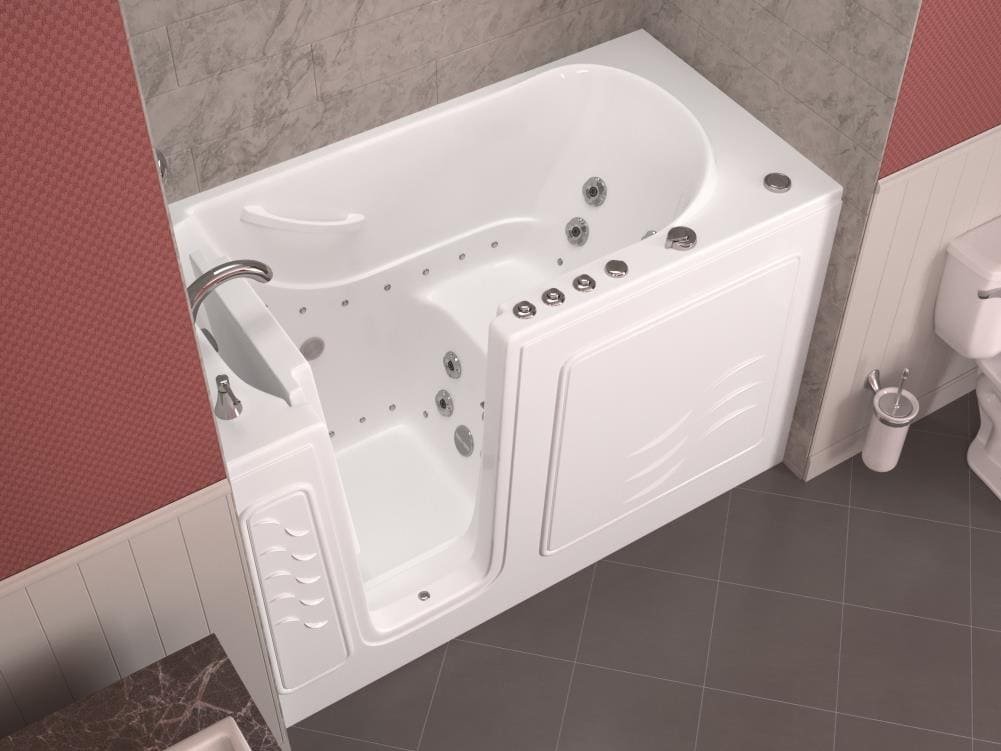
Investing in a walk-in shower with a non-porous surface isn’t just about convenience—it’s also about long-term value and health. These materials are less likely to harbor allergens, bacteria, or mold, contributing to a cleaner indoor environment. For families with children, elderly members, or anyone with allergies or respiratory issues, this can make a noticeable difference in daily comfort.
Additionally, non-porous surfaces are durable and resistant to chipping, cracking, and fading. This means your shower will maintain its appearance and functionality for years, reducing the need for costly repairs or replacements.
If you’re interested in learning more about the broader advantages of bathroom upgrades, including walk-in tubs and showers, check out this comprehensive guide to bathroom upgrades for additional insights.
Practical Tips for Maintaining Non-Porous Shower Surfaces
To get the most from your walk-in shower, follow these simple maintenance tips:
- Wipe down surfaces after each use to prevent water spots and soap scum.
- Use a squeegee or microfiber towel for quick daily cleaning.
- Avoid abrasive scrubbers or harsh chemicals that could damage the finish.
- Perform a deeper clean weekly with a mild, non-abrasive cleaner.
- Inspect caulking and seals periodically to ensure water stays out of joints and seams.
For those planning a new installation, be sure to measure carefully and consider accessibility features. If you need guidance, resources like how to measure walk-in tub threshold height can help you create a safer, more comfortable bathing space.
Frequently Asked Questions
What makes a shower surface non-porous?
A non-porous shower surface is made from materials that do not absorb water or other liquids. This means moisture, grime, and bacteria cannot penetrate the surface, making it easier to clean and maintain.
Are non-porous walk-in showers more expensive than traditional options?
While some non-porous materials may have a higher upfront cost compared to basic tile or stone, the reduced maintenance, longevity, and health benefits often make them a cost-effective choice in the long run.
Can I retrofit my existing shower with a non-porous surface?
Yes, many manufacturers offer wall panels and shower bases that can be installed over existing surfaces. This allows you to upgrade to a non-porous, easy-to-clean shower without a full remodel.
Conclusion
Opting for a walk-in shower with a non-porous surface is a smart move for anyone seeking a cleaner, healthier, and more manageable bathroom. With benefits ranging from effortless cleaning to improved hygiene and long-term durability, these surfaces are a standout choice for modern homes. By understanding the advantages and following simple maintenance tips, you can enjoy a beautiful, low-maintenance shower for years to come.