
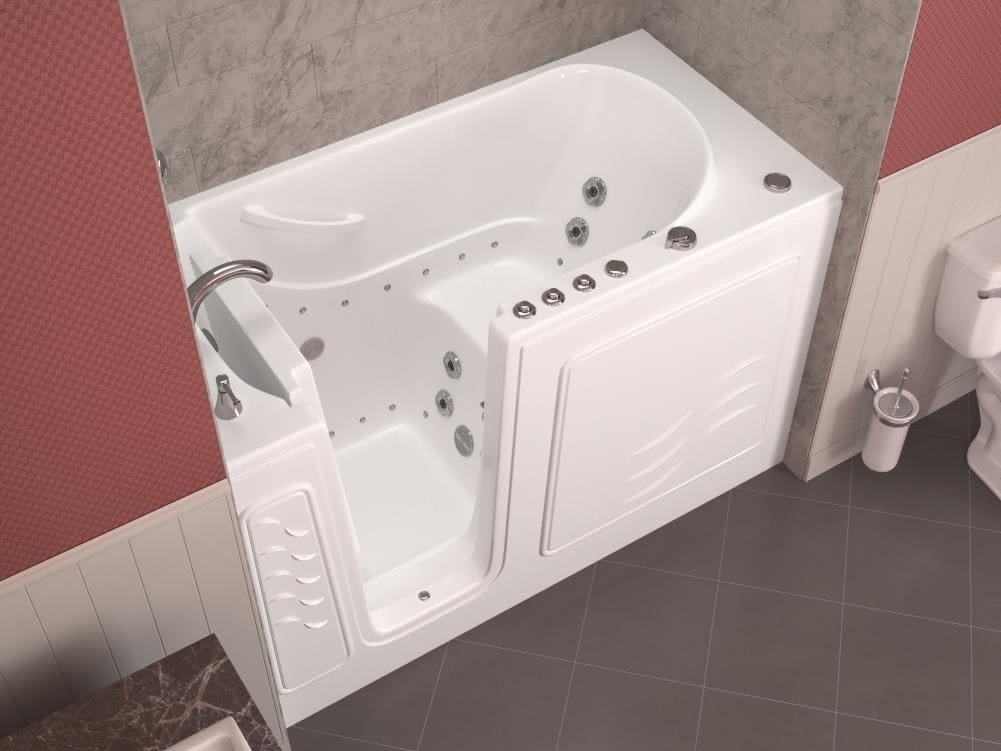
Choosing the right walk-in tub can make a significant difference in comfort, safety, and overall bathing experience, especially for those seeking therapeutic benefits or improved accessibility. One of the most important features to consider is the type of jets a tub offers. Understanding walk-in tub jet types is key to selecting a model that meets your needs for relaxation, hydrotherapy, and maintenance.
This article explores the main jet systems found in walk-in tubs—air, water (hydro), and microbubble jets. We’ll break down how each system works, their unique benefits, and what to consider when comparing options. If you’re also interested in the structural aspects of these tubs, you may want to review details about walk-in tub frame construction types for a more comprehensive understanding.
How Jet Systems Enhance Walk-In Tub Therapy
Jet systems are designed to provide more than just a relaxing soak. They can deliver targeted massage, improve circulation, and help with muscle soreness or joint pain. For those with mobility challenges or chronic conditions, the right jet system can turn a daily routine into a source of relief and comfort.
Before diving into the specific types, it’s helpful to know that most walk-in tubs offer one or more jet systems, sometimes in combination. The choice of jets impacts not only the bathing experience but also cleaning, maintenance, and even the tub’s price point.
Air Jets: Gentle, Bubbling Massage
Air jet systems use a blower to push warm air through small holes located along the tub’s base and sides. This creates a gentle, effervescent bubbling effect throughout the water. Air jets are often favored for their soothing, all-over massage that isn’t too intense, making them ideal for sensitive skin or those who prefer a lighter touch.
- How they work: Air is drawn in by a blower and released through multiple small jets, creating thousands of bubbles that rise and gently massage the body.
- Benefits: Air jets offer a calming sensation, promote relaxation, and can help stimulate circulation. They’re also less likely to cause discomfort for users with arthritis or neuropathy.
- Maintenance: Air systems are generally easier to clean because they don’t recirculate bathwater, reducing the risk of residue buildup inside the jets.
If you’re planning to install grab bars for added safety, it’s important to consider walk-in shower grab bar weight ratings to ensure proper support alongside your tub’s features.
Hydro (Water) Jets: Deep Tissue Relief
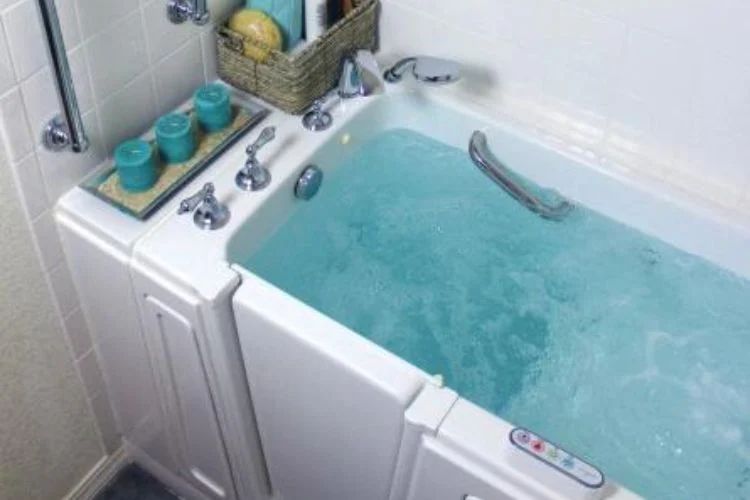
Hydro jets, sometimes called whirlpool jets, use a pump to draw in bathwater and force it back out through larger, strategically placed nozzles. This creates a more powerful, targeted massage that can be adjusted for intensity and direction. Hydro jets are popular for those seeking relief from muscle tension, sports injuries, or chronic pain.
- How they work: Water is sucked in by a pump, pressurized, and expelled through adjustable jets. Many tubs allow users to control the flow and direction for a customized massage.
- Benefits: Hydro jets deliver a stronger, more focused massage than air jets. They can help with muscle recovery, joint stiffness, and overall relaxation.
- Maintenance: Water jets require more regular cleaning, as bathwater is recirculated through the system. Some tubs feature self-cleaning cycles or easy-access jet covers for maintenance.
When considering hydro jet systems, also think about faucet placement for ease of use. For more on this, see the guide to walk-in tub faucet reach and placement.
Microbubble Jets: Advanced Skin and Circulation Benefits
Microbubble technology is a newer addition to the world of walk-in tubs. These systems infuse the water with millions of microscopic bubbles, much smaller than those produced by air jets. The result is a silky, cloud-like bath that gently exfoliates the skin and can enhance hydration.
- How they work: A microbubble generator dissolves air into the water, producing bubbles less than 50 microns in diameter. These bubbles penetrate the skin’s surface, providing a gentle cleansing and moisturizing effect.
- Benefits: Microbubble baths are known for their skin-softening properties, improved circulation, and the ability to help remove impurities from pores. The sensation is gentle and enveloping, suitable for sensitive users.
- Maintenance: These systems are relatively low-maintenance, as the microbubbles help keep the tub clean. However, regular system flushing is still recommended.
Microbubble jets are often combined with air or hydro systems for a more comprehensive spa-like experience. They are especially appealing for those with skin conditions or anyone seeking a luxurious soak.
Comparing Jet Types: Which Is Right for You?
| Jet System | Massage Intensity | Best For | Maintenance |
|---|---|---|---|
| Air Jets | Gentle, all-over | Relaxation, sensitive skin | Low |
| Hydro Jets | Strong, targeted | Muscle/joint relief | Moderate |
| Microbubble Jets | Very gentle, enveloping | Skin care, circulation | Low |
When choosing a walk-in tub, consider your primary goals. If you want a gentle, relaxing soak, air jets or microbubble systems may be best. For deeper massage and muscle relief, hydro jets are ideal. Some tubs offer dual systems, allowing you to switch between or combine effects.
Other Factors to Consider When Selecting Jet Systems
- Noise Level: Air blowers and water pumps can vary in volume. If you’re sensitive to noise, ask about decibel ratings or look for models with insulated motors.
- Ease of Cleaning: Removable jet covers and self-cleaning cycles can simplify maintenance. Microbubble systems often help keep the tub cleaner overall.
- Adjustability: Some hydro jets are adjustable for direction and intensity, while air and microbubble systems usually offer more uniform coverage.
- Cost: Hydro and microbubble systems may increase the price of the tub. Balance your budget with the features that matter most for your needs.
For those planning a bathroom remodel, it’s also wise to consider drainage and space requirements. For example, walk-in shower drainage slope requirements can impact installation planning if you’re combining a tub and shower area.
Benefits of Hydrotherapy for Aging in Place
Hydrotherapy is especially beneficial for older adults and those with limited mobility. The right jet system can help reduce pain, improve flexibility, and support independent living. For more insights on accessible bathroom solutions, see this detailed guide to aging in place with walk-in showers.
Combining safety features like grab bars, non-slip flooring, and easy-to-use controls with a therapeutic jet system creates a bathing environment that is both comfortable and secure.
FAQs About Walk-In Tub Jet Systems
Are air jets or hydro jets easier to clean?
Air jet systems are generally easier to maintain because they don’t recirculate bathwater, reducing the risk of buildup inside the jets. Hydro jets require more frequent cleaning since water is pumped through the system, but many models offer self-cleaning features.
Can I get a walk-in tub with both air and water jets?
Yes, many modern walk-in tubs offer combination systems that include both air and hydro jets. This allows users to customize their bathing experience, switching between gentle bubbles and more intense massage as needed.
What are the main advantages of microbubble jet systems?
Microbubble jets provide a gentle, skin-softening effect and can help with circulation and exfoliation. They’re especially beneficial for those with sensitive skin or conditions like eczema, and they tend to keep the tub cleaner due to the nature of the microbubbles.
Do jet systems affect water usage or energy costs?
Jet systems themselves don’t significantly increase water usage, but hydro and microbubble systems may use more electricity to power pumps and blowers. It’s a good idea to check the energy efficiency ratings of any tub you’re considering.
Conclusion
Selecting the right jet system for your walk-in tub is a personal decision that depends on your health needs, comfort preferences, and maintenance expectations. Whether you opt for air, hydro, or microbubble jets—or a combination—you’ll benefit from enhanced relaxation, improved circulation, and a safer bathing experience. Take time to compare features, ask about cleaning requirements, and consider how each system aligns with your daily routine. With the right information, you can make a confident choice that supports your well-being for years to come.