
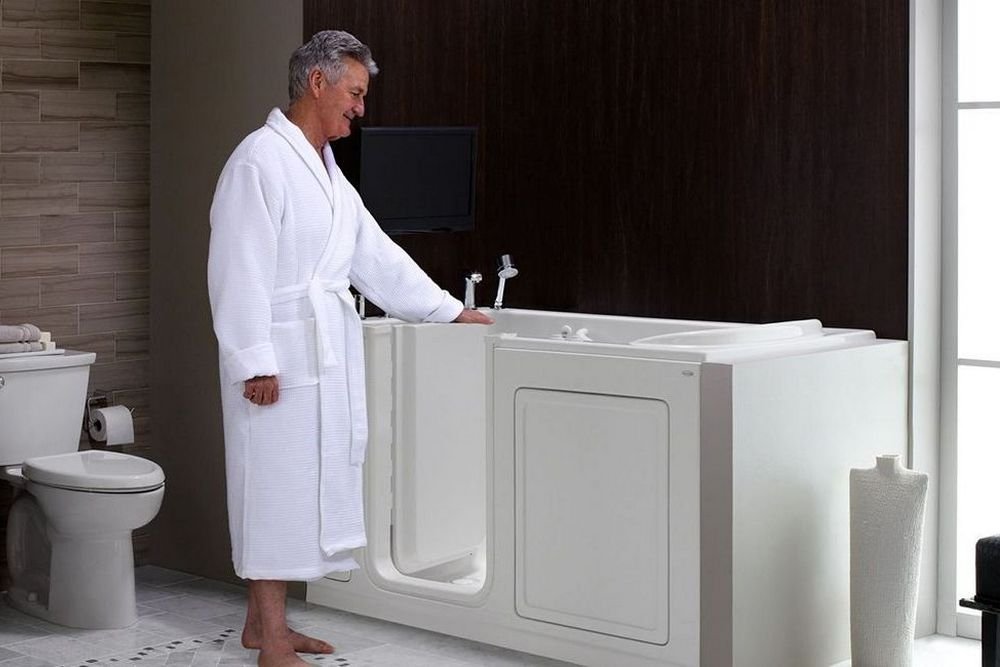
For those seeking safer and more comfortable bathing, walk-in tub remote control features have become a game-changer. These controls are designed to simplify the bathing experience, especially for seniors and individuals with mobility challenges. With intuitive buttons and accessible layouts, remote controls allow users to manage water temperature, jets, lighting, and more, all from a seated position. Understanding how these features work and what to look for can help you choose a tub that truly meets your needs.
Before diving into the specifics, it’s worth noting that the right accessories can further enhance safety and comfort. For example, learning about walk-in shower grab bar weight ratings can help ensure your bathroom is as supportive as possible.
Why Remote Controls Matter for Walk-In Tubs
Remote controls are more than just a convenience—they are a critical accessibility feature. For many users, reaching traditional dials or knobs can be difficult or even unsafe. Remote controls, whether wired or wireless, allow for easy operation without unnecessary stretching or movement. This is particularly helpful for those with arthritis, limited hand strength, or balance concerns.
Modern walk-in tubs often come equipped with remotes that control a range of functions, making it easier to customize your bathing experience. By simplifying operation, these controls help users maintain independence and reduce the risk of slips or falls.
Key Walk-In Tub Remote Control Features to Look For
When evaluating different tubs, pay attention to the following walk-in tub remote control features that can make daily use safer and more enjoyable:
- Large, Clearly Labeled Buttons: Easy-to-read buttons reduce confusion and are especially helpful for those with visual impairments.
- Backlit Controls: Lighting on the remote makes it simple to operate the tub in low-light conditions.
- Water Temperature Adjustment: Remotes often allow users to set and maintain their preferred water temperature without manual mixing.
- Jet and Air Bubble Control: Adjust the intensity or pattern of hydrotherapy jets for a customized soak.
- Chromotherapy and Lighting: Some remotes include controls for built-in LED lighting, supporting relaxation and mood enhancement.
- Quick Drain and Fill: Start or stop the tub’s filling and draining process with a single button, minimizing wait times.
- Lockout/Safety Features: Prevent accidental changes or unauthorized use with lockout functions, ideal for homes with children or memory care needs.
How Remote Controls Enhance Accessibility and Comfort
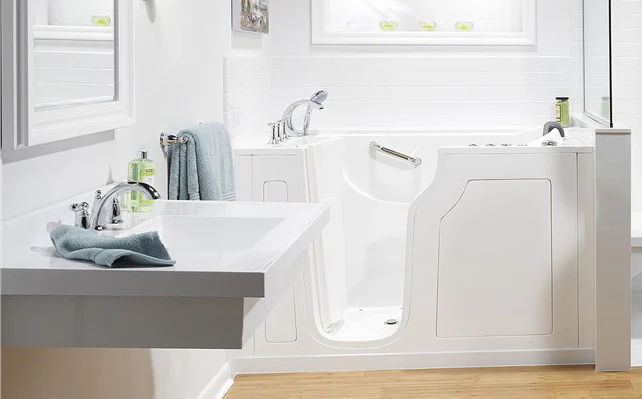
One of the main benefits of remote controls is the ability to operate the tub without having to stand, bend, or reach awkwardly. This is especially important for those with limited mobility or chronic pain. Many remotes are designed to be waterproof and floatable, so they can safely be used in the bath and won’t get lost or damaged if dropped in water.
Some advanced models feature ergonomic designs that fit comfortably in the hand, with tactile feedback so users can feel when a button has been pressed. This attention to detail can make a significant difference in daily usability and overall satisfaction.
For those interested in the construction and durability of their tub, exploring walk-in tub frame construction types can provide additional insight into long-term reliability and maintenance.
Comparing Wired and Wireless Remote Options
Walk-in tubs may come with either wired or wireless remotes, each with its own advantages:
- Wired Remotes: These are permanently attached to the tub, ensuring they are always within reach and never misplaced. They are typically waterproof and easy to clean.
- Wireless Remotes: Offering greater flexibility, wireless options can be moved around the bathroom or even mounted on a wall. However, they require batteries and may need occasional pairing or charging.
Choosing between these options depends on your household’s needs and preferences. Wired remotes are ideal for those who want a simple, always-available solution, while wireless remotes offer more freedom of placement and use.
Maintenance and Troubleshooting Tips for Remote Controls
To keep your remote control functioning smoothly, a few simple maintenance steps can go a long way:
- Wipe down the remote regularly with a damp cloth to prevent soap or residue buildup.
- For wireless remotes, replace batteries as needed and store the remote in a designated spot when not in use.
- If the remote becomes unresponsive, consult your tub’s manual for reset instructions or contact the manufacturer for support.
- Keep the remote away from extreme heat or direct sunlight, which can damage electronic components.
Most modern remotes are designed to be durable and water-resistant, but following these guidelines can help extend their lifespan and ensure reliable performance.
Additional Accessibility Upgrades
While remote controls are a major step forward, other upgrades can further improve the safety and comfort of your bathroom. Consider adding grab bars, non-slip flooring, and adjustable showerheads. For more ideas, review advice on walk-in shower handheld sprayer placement to optimize accessibility in your bathing area.
For those interested in broader bathroom adaptations, exploring walk-in showers designed for older adults can offer additional inspiration and practical solutions.
Choosing the Right Tub for Your Needs
When selecting a walk-in tub, consider not only the remote control features but also the overall design, size, and installation requirements. Look for models that offer the right combination of safety, comfort, and ease of use. Reading reviews, consulting with professionals, and visiting showrooms can help you make an informed decision.
If you’re weighing the pros and cons of different bathroom upgrades, you might also find it useful to compare walk-in shower kits and custom builds to see which solution fits your home and lifestyle best.
Frequently Asked Questions
Are walk-in tub remotes waterproof?
Most walk-in tub remotes are designed to be water-resistant or waterproof, allowing for safe use in wet environments. Always check the manufacturer’s specifications to ensure your remote is suitable for use in the bath.
Can I replace or upgrade my walk-in tub remote control?
In many cases, replacement remotes are available from the tub manufacturer. Some models also allow for upgrades to more advanced remotes, but compatibility should be confirmed before purchasing.
What should I do if my remote stops working?
First, check for simple issues such as dead batteries (for wireless remotes) or loose connections (for wired remotes). If the problem persists, consult your tub’s manual or reach out to customer support for troubleshooting steps.
Do all walk-in tubs come with remote controls?
No, not every walk-in tub includes a remote control as standard. Some entry-level models may have manual controls only, while mid-range and premium tubs typically offer remote options. Always verify what’s included before making a purchase.
Conclusion
Modern walk-in tub remote control features offer significant advantages in accessibility, safety, and comfort. By understanding the available options and how they fit into your daily routine, you can select a tub that truly supports your needs. Don’t forget to consider other bathroom upgrades and consult reliable resources to create a bathing environment that’s both functional and enjoyable.