

Managing indoor brightness is essential for comfort, productivity, and eye health. Excessive glare from artificial lights or sunlight can cause headaches, eye strain, and make everyday tasks more difficult. Whether you’re working from home, relaxing in your living room, or ensuring safety in the bathroom, understanding lighting for glare reduction can make a significant difference in your quality of life.
This article explores practical strategies to minimize unwanted reflections and harsh light indoors. You’ll learn how to choose the right fixtures, position lights effectively, and select materials that help create a balanced, comfortable environment. For those interested in optimizing safety and accessibility, our guide on walk-in shower grab bar weight ratings offers additional tips for improving home usability.
Understanding Glare and Its Effects
Glare occurs when there is excessive brightness or strong contrast between light sources and their surroundings. It can be direct, coming straight from a light fixture or window, or reflected, bouncing off shiny surfaces like screens, floors, or countertops. Both types can cause discomfort, reduce visibility, and even contribute to accidents in the home.
The key to effective lighting for glare reduction is to control both the intensity and direction of light. This involves thoughtful selection of fixtures, bulbs, and room finishes, as well as strategic placement throughout your living spaces.
Choosing the Right Fixtures for Glare Control
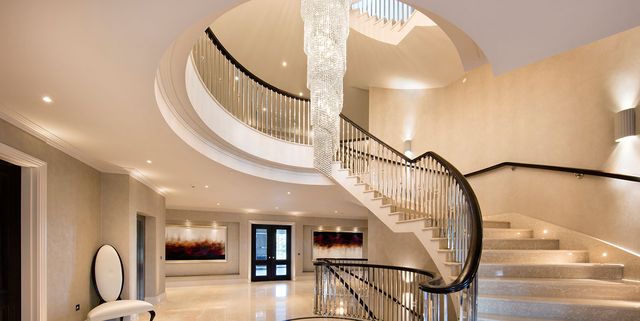
The type of lighting you use has a major impact on glare. Some fixtures naturally diffuse light, while others focus it in a way that can create harsh spots. Here are some fixture options that help reduce unwanted brightness:
- Recessed Lighting: These fixtures are installed into the ceiling, directing light downward and minimizing direct exposure to the eyes. Choose models with frosted or diffused covers for best results.
- Wall Sconces: Mounted at eye level, sconces can provide soft, indirect illumination that reduces harsh contrasts.
- Table and Floor Lamps with Shades: Lampshades help diffuse and soften light, preventing direct glare from bulbs.
- Track Lighting: Adjustable heads allow you to direct light where it’s needed, avoiding reflective surfaces and minimizing glare.
Smart Placement for Indoor Lighting
Where you position your lights is as important as the type of fixture. To optimize lighting for glare reduction, follow these placement strategies:
- Avoid Direct Lines of Sight: Place lights so they are not directly in your field of vision, especially above workstations or seating areas.
- Use Multiple Light Sources: Layering ambient, task, and accent lighting allows you to balance brightness and minimize sharp contrasts.
- Keep Lights Away from Reflective Surfaces: Position fixtures to avoid shining directly onto glossy tables, screens, or floors.
- Install Dimmers: Adjustable brightness lets you fine-tune light levels throughout the day and for different activities.
Bulb Selection and Color Temperature
The type of bulb and its color temperature can influence both comfort and glare. Here’s what to consider:
- LED Bulbs: Modern LEDs are energy-efficient and available in a range of brightness levels. Look for bulbs labeled as “soft white” or “warm white” (2700K–3000K) for a gentler glow.
- Frosted or Coated Bulbs: These diffuse light more evenly than clear bulbs, reducing harshness.
- Lower Lumen Output: In small spaces, use bulbs with lower lumens to avoid over-illumination.
Managing Natural Light and Reflections
Sunlight is a wonderful resource, but it can also be a major source of glare indoors. Here are ways to manage daylight and minimize reflections:
- Window Treatments: Use blinds, shades, or curtains to diffuse incoming sunlight. Sheer fabrics allow light in while softening its intensity.
- Matte Finishes: Choose matte or satin finishes for walls, floors, and furniture to reduce reflected glare.
- Strategic Furniture Placement: Arrange seating and workspaces so that windows are to the side, not directly in front or behind.
Special Considerations for Different Rooms
Living Areas
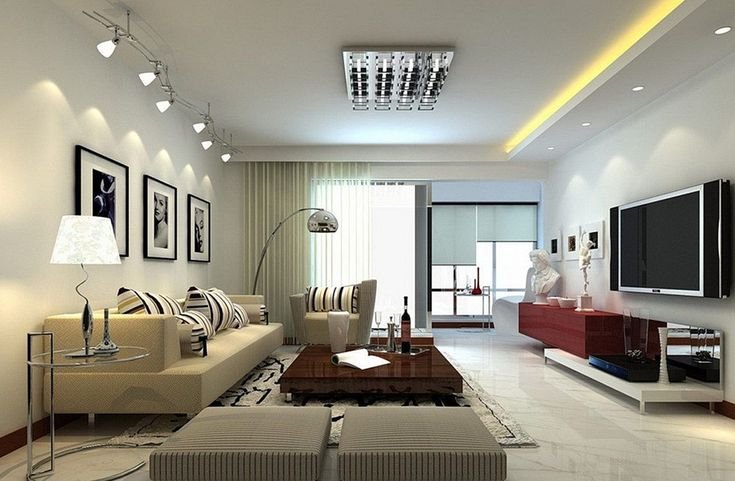
In living rooms and family spaces, use a combination of overhead lights, floor lamps, and wall sconces. Avoid placing lights directly above seating. Opt for dimmable fixtures to adjust brightness for reading, watching TV, or entertaining.
Kitchens and Workspaces
Task lighting is essential in kitchens and home offices, but it should be positioned to avoid reflecting off countertops or screens. Under-cabinet lighting with frosted covers is a good choice for food prep areas. For desks, use adjustable lamps with shades to direct light away from your eyes and monitor.
Bathrooms and Safety Zones
In bathrooms, glare can be particularly problematic due to mirrors and shiny surfaces. Use wall-mounted fixtures with diffusers on either side of the mirror instead of a single overhead light. For added safety, especially in accessible bathrooms, consider motion-activated night lights with a soft glow to prevent accidents at night.
Maintaining and Upgrading Your Lighting
Regularly clean light fixtures and bulbs to ensure even illumination. Dust and grime can create uneven brightness and increase glare. If your home still uses older incandescent or halogen bulbs, upgrading to modern LEDs with dimming capability can significantly improve comfort and energy efficiency.
When planning renovations or updates, consult with a lighting professional for tailored advice. They can recommend fixture types, placements, and controls that best suit your space and needs.
Frequently Asked Questions
What causes glare indoors, and how can it be prevented?
Glare is caused by excessive brightness or strong contrast between light sources and their surroundings. It can be prevented by using diffused lighting, positioning fixtures thoughtfully, and choosing matte finishes for surfaces to minimize reflections.
Are LED lights better for reducing glare than other types?
Yes, modern LED lights are available in a range of brightness levels and color temperatures. When paired with frosted covers or diffusers, they provide even illumination and are less likely to cause glare compared to older bulb types.
How can I reduce glare on my computer or TV screen?
To minimize screen glare, position monitors perpendicular to windows, use adjustable task lighting, and select bulbs with lower brightness. Applying anti-glare screen protectors and using window treatments to control sunlight can also help.
Conclusion
Creating a comfortable, glare-free indoor environment is achievable with the right approach to lighting for glare reduction. By selecting appropriate fixtures, placing them strategically, and managing both artificial and natural light, you can enhance comfort, safety, and productivity throughout your home. For more tips on optimizing your living spaces, explore our resources on bathroom safety and accessibility, such as understanding walk-in tub frame construction types and other home improvement guides.